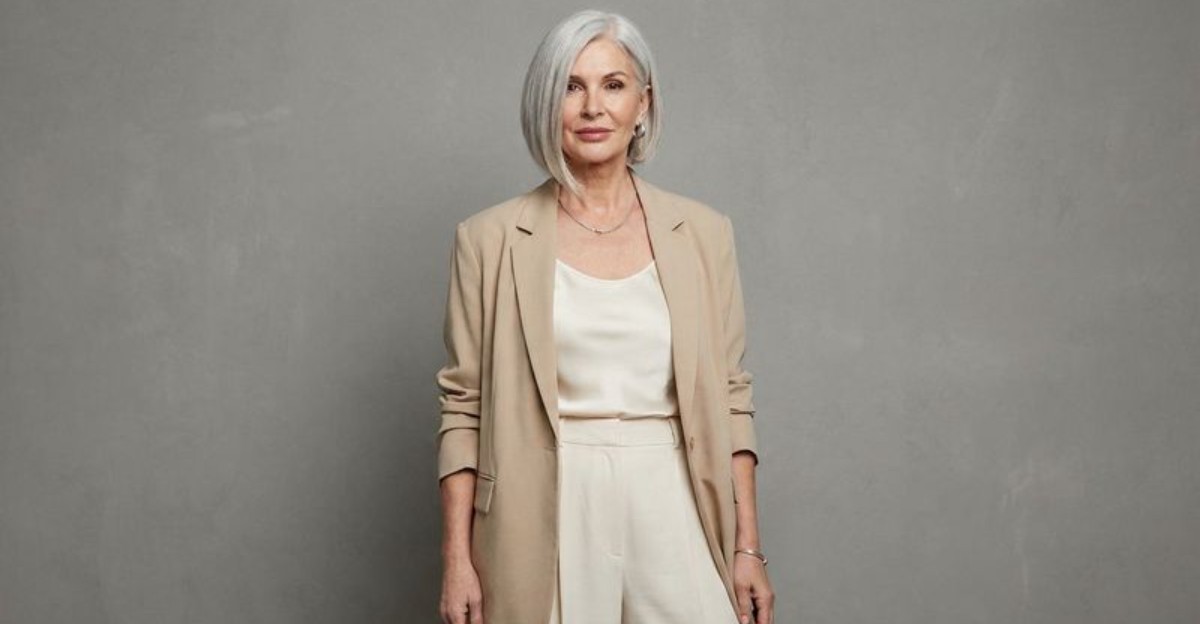
A beautiful hairstyle never goes out of fashion, and for women over 60, timeless cuts can offer the perfect combination of elegance, comfort, and effortless sophistication. Whether you prefer a chic short haircut, soft shoulder-length layers, or a graceful longer style, the right hairstyle can enhance your natural features and reflect your personality. Classic hairstyles remain popular for a reason: they’re versatile, flattering, and easy to adapt to different hair textures, face shapes, and personal preferences.
As hair naturally changes in texture, thickness, and volume over time, choosing a hairstyle that works with those changes can make everyday styling easier and more enjoyable. Fortunately, looking polished doesn’t require complicated routines or constant trips to the salon. From sophisticated bobs to softly layered cuts and elegant updos, there are plenty of beautiful options that never feel outdated. Here are 12 elegant hairstyles that remain classic choices for women over 60.
1. The Polished Pixie Cut
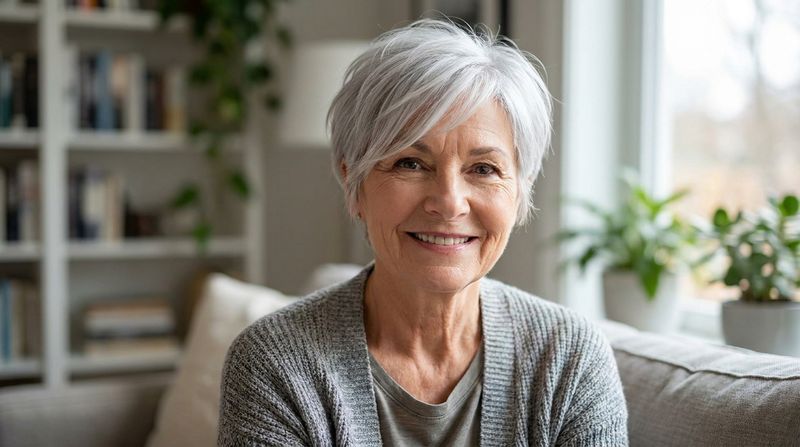
Audrey Hepburn and Mia Farrow made the pixie famous decades ago, and it still turns heads today.
The cut keeps the sides and back short while leaving a bit more length on top.
That extra length up top is where the fun happens.
Your stylist can add texture or soft layers so fine hair looks lifted instead of flat.
A short crop also puts your face front and center.
Your eyes and cheekbones get the spotlight, and a pair of earrings suddenly matters more.
Styling can take just a few minutes.
A pea-sized bit of light pomade or a spritz of texturizing spray adds definition without stiffness.
You can slick it to the side for dinner or rough it up with your fingers for errands.
Mood changes, and the pixie keeps up without asking for much.
There is one catch worth knowing before you book.
Short cuts lose their shape fast, so plan on trims every four to eight weeks.
If your face is round, ask for volume at the crown and a sideways fringe.
Wispy pieces around the jaw can soften a square face shape nicely.
2. The Classic Chin-Length Bob
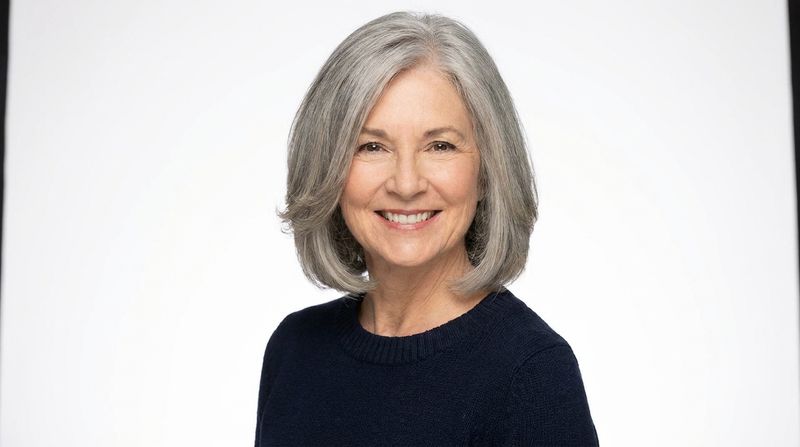
Few cuts have stayed in style as long as the bob, which became a symbol of freedom in the 1920s.
Nearly a century later, it still looks sharp in a boardroom or at brunch.
Most bobs land around the jaw or just below it.
That length takes away the extra weight that can pull fine strands down and make them look thin.
A stacked bob takes this further with shorter layers in the back.
The stacking builds shape at the crown, right where many women want more lift.
Front pieces matter too.
A bob that hits near the jaw draws attention to your cheekbones and the line of your face.
Daily care is usually simple.
You can air-dry and go, or use a round brush during blow-drying for more body and a curved finish.
Go easy on products, since heavy creams can flatten the shape.
A little volumizing mousse at the roots usually does the job.
Sleek and straight looks crisp, while loose bends feel relaxed.
Either way, regular trims every few weeks keep those clean edges looking intentional rather than grown out.
3. The Layered Lob

Can’t decide between short and long hair?
The lob, short for long bob, lets you skip that choice by stopping around the collarbone or shoulders.
Layers are the secret ingredient here.
They spread the weight around, so the hair moves instead of hanging like a heavy curtain.
For hair that has thinned a bit, that movement creates a fuller look.
Longer face-framing pieces can also bring attention to your eyes and cheekbones.
Styling choices are wide open with this length.
A large-barrel curling iron gives soft bends, and braiding damp hair overnight creates heat-free waves by morning.
Fine hair may need a little boost at the root.
Try a small amount of volumizing mousse before blow-drying, then finish with a light texturizing spray.
Busy day?
Pull it back into a low ponytail, which still works at this length.
The lob also makes a friendly middle step for anyone growing out a short cut.
You get polish now and options later, which sounds like a fair deal.
4. Shoulder-Length Layers
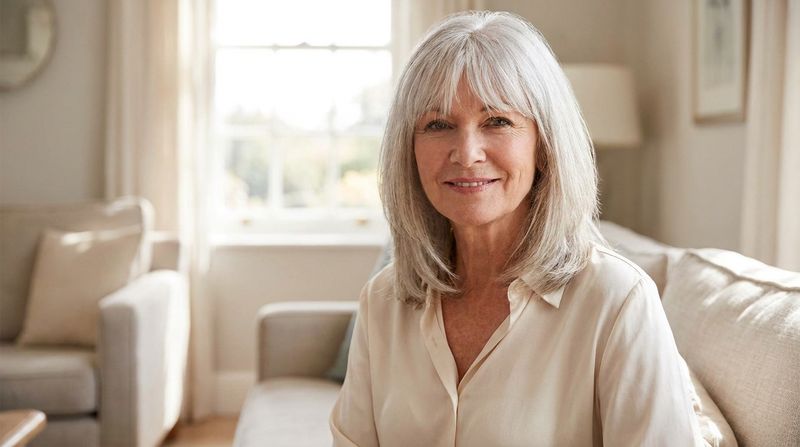
Shoulder-length hair is the reliable friend of the haircut world.
It falls somewhere between the jaw and a few inches past the collarbone, giving you room to play.
Adding layers keeps this length from looking heavy.
Different lengths stack together to create bounce and help hair that tends to lie flat.
Face-framing layers are worth asking about at your next appointment.
Swept to the side or shaped like soft curtains, they bring attention to your eyes.
You can wear this cut many ways.
A round brush during blow-drying lifts the roots and curves the ends for a smooth, finished look.
Want something looser?
A curling wand or a light texturizing spray adds bends that look casual rather than fussy.
This length still lets you do half-up styles, small buns, or clips.
That flexibility comes in handy for weddings, travel, or a windy afternoon on the porch.
Trims can be a little less frequent than with very short cuts.
Many people stretch them to around eight to ten weeks, depending on how quickly their ends dry out.
5. Soft Waves
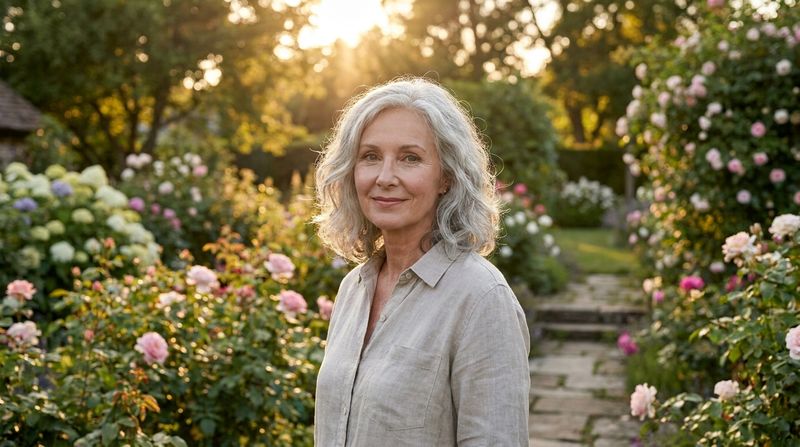
Loose waves look like you spent an hour on them, even when you didn’t.
That relaxed bend in the hair adds motion to nearly any length, from a bob to past the shoulders.
Soft waves are different from tight ringlets.
Think gentle curves rather than coils, with enough movement to add body without looking stiff.
For hair that has turned finer, waves create the look of extra fullness.
The texture also gives the hair some lift around the face.
A large-barrel curling iron on a lower heat setting makes loose bends.
Lower heat is also kinder to older, drier strands.
Prefer to skip the hot tools?
Braid slightly damp hair before bed, then shake it out in the morning for easy texture.
A light texturizing spray or volumizing mousse can help those waves last.
Sea salt spray works for some people, though it can feel drying on brittle hair.
Let the finish stay a little messy.
Brushing waves too much can turn them frizzy, so use your fingers and walk away while you’re ahead.
6. Side-Swept and Curtain Bangs
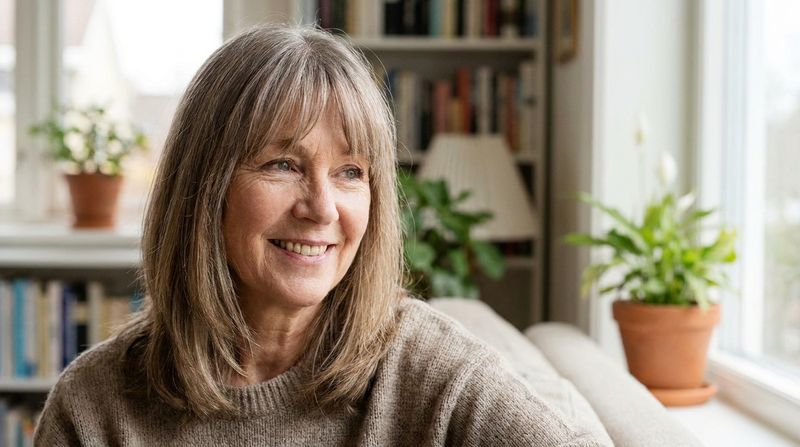
Want a fresh look without losing length?
Bangs are the low-commitment way to change your face shape in one salon visit.
Side-swept bangs fall at an angle across the forehead and blend into the rest of your hair.
Curtain bangs part in the middle and get longer toward the sides, like drapes framing a window.
Both styles add movement right around the eyes.
That frame can make a familiar face look newly styled without heavy coverage.
Styling takes a few minutes with a blow-dryer and round brush.
Direct side bangs the way you want them to fall, and blow curtain bangs away from your face.
A small amount of flexible hairspray or light cream helps them hold.
Too much product can make them stiff, so start tiny.
Many salons offer quick bang trims between full cuts, so ask your stylist.
It is an easy way to keep the shape fresh.
Growing them out is fairly easy, especially with curtain bangs.
They simply join your face-framing layers over time, so there’s no awkward stage to dread.
7. The Sleek Chignon
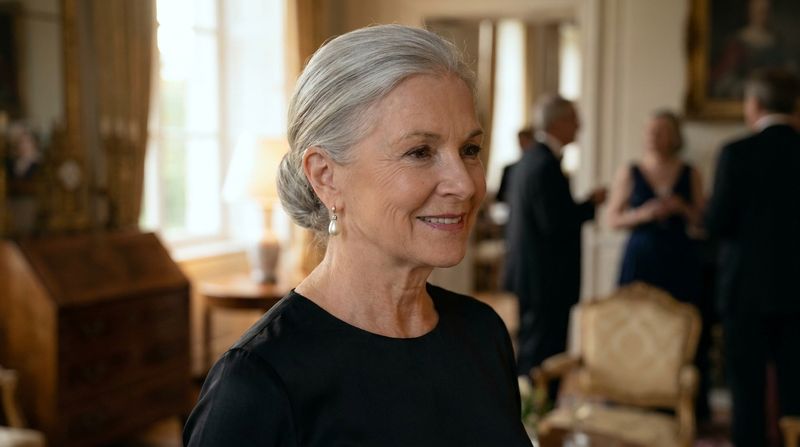
Grace Kelly often wore her hair in neat, low updos, and the chignon still signals instant polish.
The word comes from French and refers to the nape of the neck, where this knot sits.
It works best on hair that reaches at least your shoulders.
Gather it low, twist it, and pin it into a smooth knot or coil.
A chignon suits formal events surprisingly well.
Weddings, holiday parties, and theater nights all welcome this tidy shape.
Fine hair can still pull this off.
Teasing the hair lightly at the crown before twisting adds height, and a small hair donut can bulk up the knot.
Use U-shaped pins rather than only bobby pins.
They hold the twist securely while causing less pulling on the scalp.
Loosen a few strands around the face for a softer version.
Keep it smooth and tight when you want something more formal.
Practice once before the big night, not an hour before you leave.
Your arms will thank you, and so will your schedule.
8. The French Twist
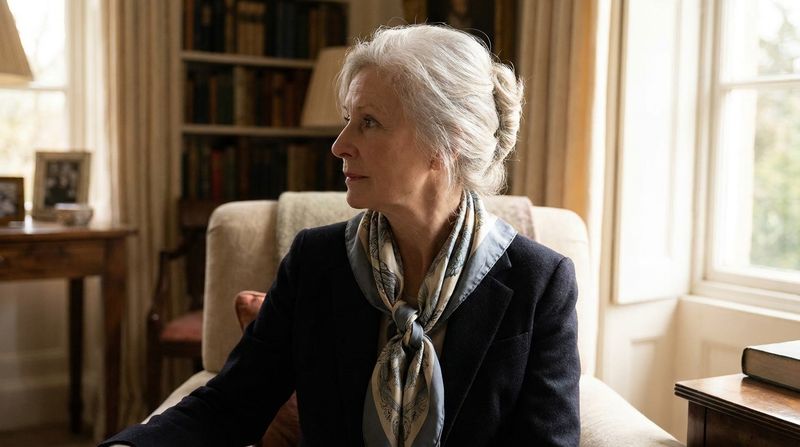
Hollywood stars of the 1950s and 1960s helped make the French twist a symbol of glamour.
Tippi Hedren wore a sleek twist in The Birds, and it still looks sophisticated today.
The style rolls the hair vertically up the back of your head.
The ends get tucked inside, and pins hold the seam in place.
You need hair that is roughly shoulder length or longer.
Very short layers might poke out, though a little hairspray can tame them.
Second-day hair often grips better than freshly washed hair.
If your hair feels slippery, a dry shampoo or texturizing spray adds helpful grit.
Start by brushing your hair to one side, then pin a row of crossed bobby pins down the center.
Twist the hair over that row and tuck the ends in.
A decorative clip can stand in for pins when you’re in a hurry.
Some claw clips are made specifically for quick twisted styles.
The result shows off your neckline and earrings.
It reads formal, yet it also works for a nice lunch out.
9. The Shag
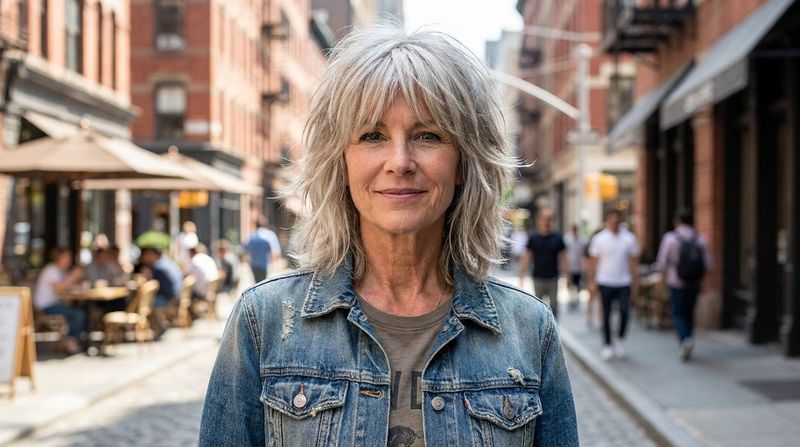
Jane Fonda’s shaggy layers in the 1971 film Klute helped put this cut on the map.
The look has returned many times since, with plenty of modern tweaks.
A shag uses lots of choppy layers, especially around the crown and face.
The ends are often thinned out for a lighter, piecey finish.
That structure adds instant body.
Hair that tends to lie flat can look fuller thanks to all those stacked lengths.
Natural waves and curls often love a shag.
Layers let texture spring up instead of being weighed down by length.
Styling leans casual on purpose.
Scrunch in a little mousse, air-dry or diffuse, and let the shape do its thing.
Straight hair can work, too, with some help.
A flat iron used to bend the ends in different directions adds movement.
Ask your stylist for a softer shag if you prefer less edge.
Fewer layers and longer pieces still give you that playful rock-and-roll flavor without looking like a 1970s album cover.
10. The Asymmetrical Bob
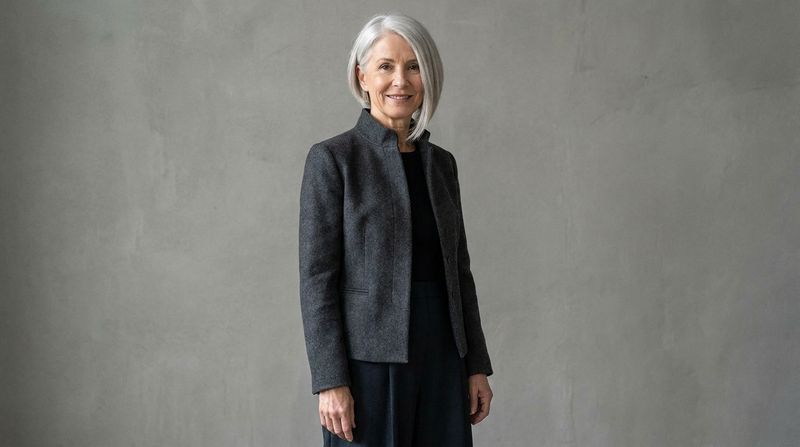
Vidal Sassoon’s geometric cuts in the 1960s showed how sharp angles could become wearable art.
The asymmetrical bob carries that idea forward with one side cut longer than the other.
The difference can be subtle or bold.
Some versions vary by just an inch, while others swing dramatically longer on one side.
This shape adds a modern edge to a familiar cut.
It also gives a nice diagonal line that draws the eye across the face.
Fine to medium hair often works best for the sleek version.
Thick hair can work too, though it may need thinning to lie neatly.
Blow-dry with a paddle or round brush to keep the lines crisp.
A drop of smoothing serum on the ends adds shine to silver hair.
Part placement makes a big difference here.
A deep side part on the shorter side tends to highlight the angle most clearly.
Precision matters, so this cut needs regular trims.
Book appointments every five to seven weeks to keep it looking deliberate instead of accidentally uneven.
11. Short Natural Curls
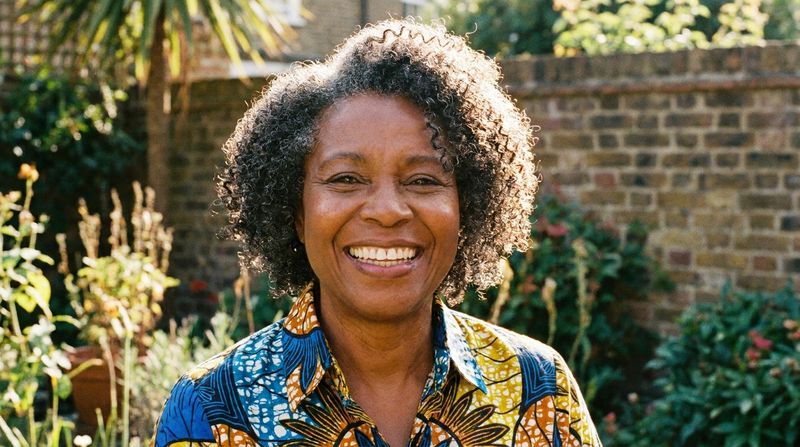
Curly hair brings its own personality to any room.
A short cut that follows your natural curl pattern lets that character shine with very little fuss.
Tapered cuts are a popular option.
The sides and back stay shorter, while the curls on top keep more length and shape.
Curls often get drier over time, so moisture matters.
A leave-in conditioner or curl cream can help define coils and reduce frizz.
Washing less often may help some curly textures stay soft.
Many people with curls also use sulfate-free shampoos, since they tend to feel less stripping.
Try applying product to soaking wet hair for better definition.
Then air-dry or use a diffuser on low heat.
Sleeping on a satin or silk pillowcase can reduce friction.
A satin bonnet does the same job if you like to toss and turn.
Find a stylist who knows how to cut curls, since some trim hair dry, curl by curl.
That approach shows how each section will actually sit in daily life.
12. Long Silver Hair with Long Layers
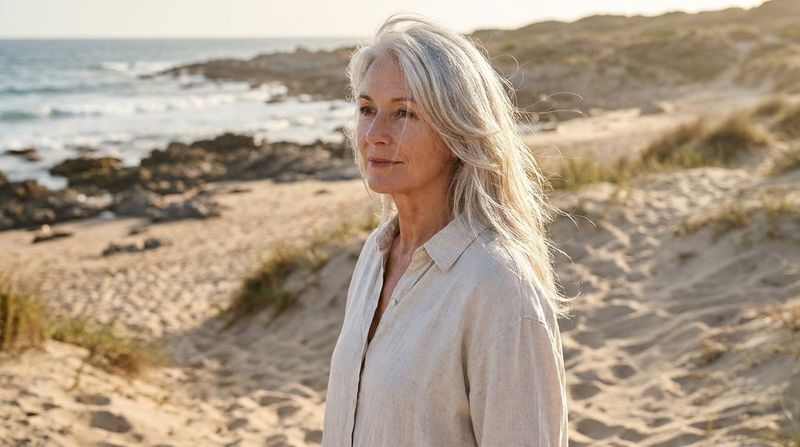
Short hair after 60 was once treated as a rule, but long silver hair has been showing up at red carpets and at grocery stores alike.
Long hair is a personal choice, not a question of age.
Long layers help this length look healthy.
They remove some bulk, add movement, and keep the ends from looking stringy.
Silver strands can turn yellowish from sun, hard water, or styling products.
A purple shampoo used once a week or so can help tone that warmth down.
Gray hair often feels coarser or drier than it used to.
A weekly hair mask and a light oil on the ends can make it feel softer.
Heat protectant is a smart habit before using blow-dryers or curling irons.
Heat can leave light-colored hair looking dull or slightly discolored.
Long hair also opens up the most styling options.
Braids, buns, half-up looks, and loose waves are all on the menu.
Regular dusting trims every eight to twelve weeks keep split ends in check.
You keep the length while your ends stay neat.