 MomSkoop

Your gut is home to trillions of bacteria that help digest food, fight off illness, and even affect your mood. While probiotic supplements are popular, nutritionists agree that getting these beneficial bacteria from real food is far more effective.
These fermented foods don’t just deliver probiotics—they come packed with nutrients, fiber, and natural compounds that work together to support your health in ways no pill can match.
1. Greek Yogurt
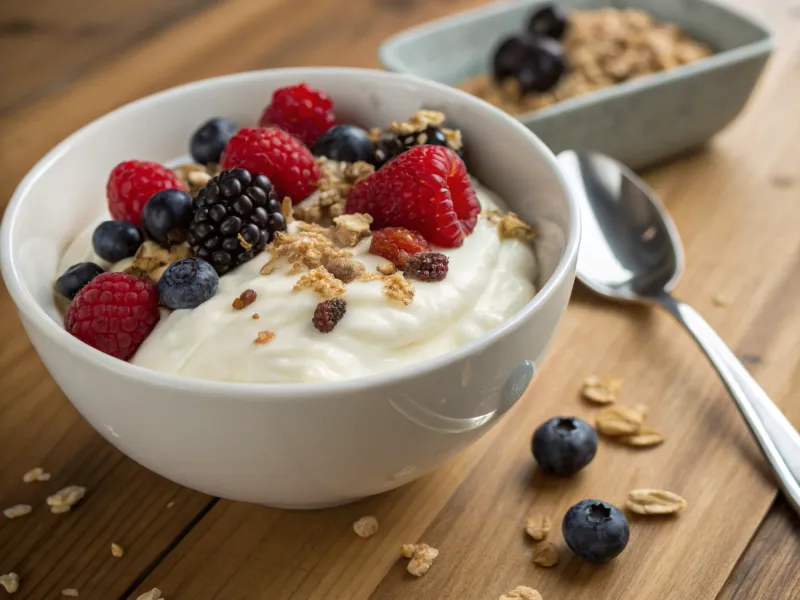
Thick, creamy, and full of live cultures, Greek yogurt is one of the easiest ways to boost probiotic intake. Look for brands labeled “live and active cultures” to ensure you’re getting gut-friendly bacteria like Lactobacillus and Bifidobacterium.
It’s perfect for breakfast, snacks, or even as a substitute for sour cream in recipes. The protein content keeps you full longer while the probiotics work their magic on your digestive system.
Just avoid heavily sweetened versions that can counteract the health benefits with excess sugar.
2. Kefir
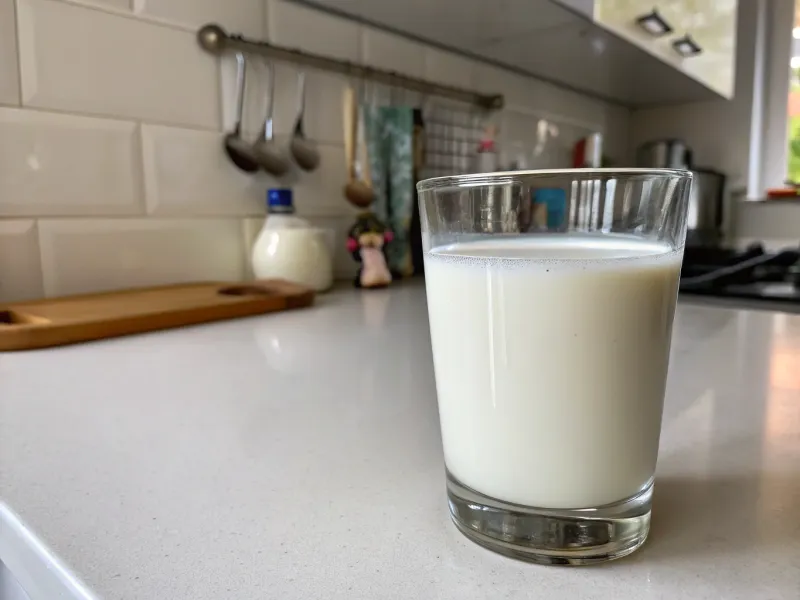
This fermented milk drink is like yogurt’s more powerful cousin—thinner in texture but richer in probiotic diversity. One glass can contain up to 30 strains of beneficial bacteria and yeasts that support digestion and immunity.
Many people who can’t tolerate regular milk find kefir easier to digest because the fermentation process breaks down lactose. You can drink it plain, blend it into smoothies, or use it in salad dressings.
The tangy flavor takes some getting used to, but your gut will thank you for making the switch.
3. Sauerkraut

Made from fermented cabbage, sauerkraut delivers a powerful dose of probiotics along with fiber and vitamin C. Just be sure to buy the refrigerated, unpasteurized kind—shelf-stable versions are often heat-treated, killing off the good bacteria.
Germans have been eating this tangy side dish for centuries, and research now shows why it’s so beneficial. The fermentation process creates natural probiotics that colonize your gut and support overall health.
Add it to sandwiches, hot dogs, or eat it straight from the jar for maximum benefits.
4. Kimchi
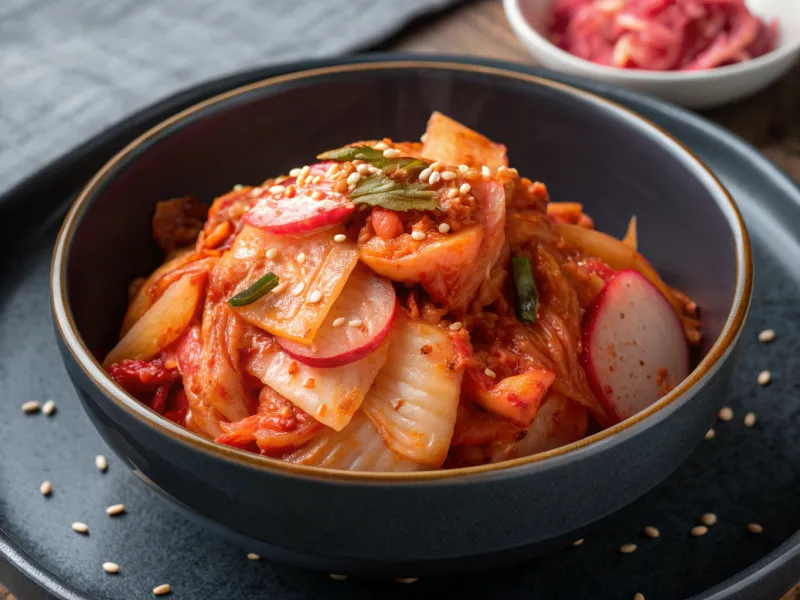
This spicy Korean staple combines cabbage, radish, and seasonings fermented with lactic acid bacteria. It’s a flavorful, gut-boosting side that also provides antioxidants and vitamins A and K.
The heat comes from gochugaru (Korean chili flakes), which adds not just flavor but also metabolism-boosting properties. Every bite delivers a satisfying crunch along with billions of beneficial bacteria.
Try it with rice bowls or scrambled eggs for an instant flavor upgrade that supports your digestive health at the same time.
5. Miso
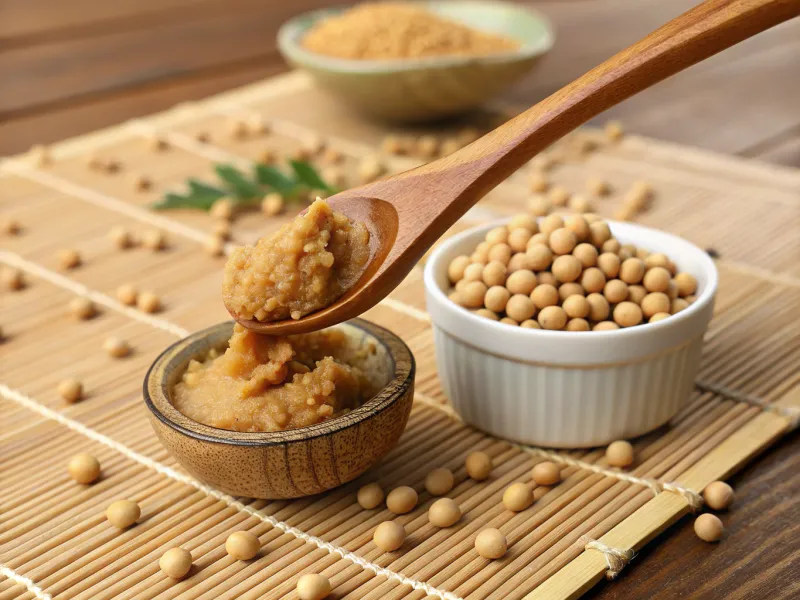
A traditional Japanese paste made from fermented soybeans, miso is loaded with enzymes and probiotics that support gut balance. Add it to soups or dressings—just don’t boil it, as heat can destroy its beneficial bacteria.
The umami-rich flavor enhances everything from marinades to vegetable dishes. White miso is milder and slightly sweet, while red miso offers a deeper, saltier taste.
6. Tempeh
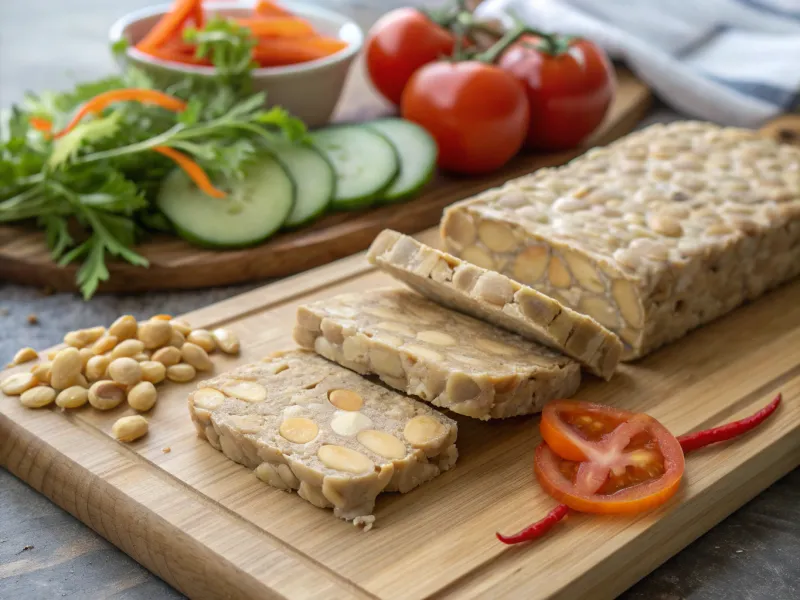
Another soy-based favorite, tempeh is fermented with a specific mold that creates a firm, nutty texture. It’s not only rich in probiotics but also an excellent source of plant-based protein and B vitamins.
Originally from Indonesia, tempeh has become a vegetarian staple worldwide because it absorbs flavors beautifully and holds its shape when cooked. The fermentation process makes the soybeans easier to digest and increases nutrient availability.
Marinate and grill it, crumble it into pasta sauce, or cube it for stir-fries to enjoy its benefits.
7. Kombucha

This fizzy fermented tea has exploded in popularity for good reason—it’s tangy, refreshing, and packed with probiotics that can help improve digestion. Just opt for the low-sugar varieties.
The fermentation creates a slightly sour taste with natural carbonation that makes it a great soda alternative. Different flavors from ginger to berry offer variety while delivering the same gut benefits.
8. Pickles (Fermented, Not Vinegar-Cured)
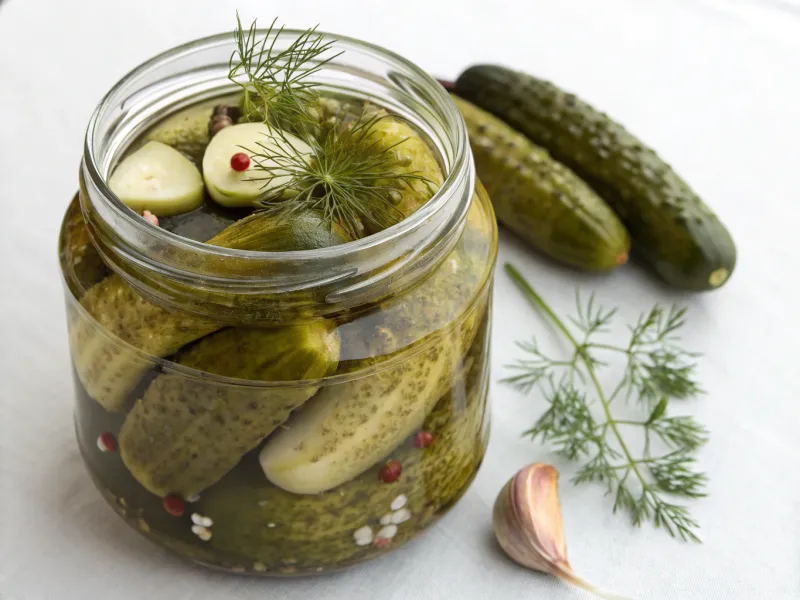
Naturally fermented pickles—those brined in saltwater, not vinegar—contain lactobacillus cultures that are fantastic for gut health. Check labels for “naturally fermented” or “raw” to get the probiotic benefits.
The crunchy texture and salty-sour flavor make them an addictive snack that actually supports your digestive system. Unlike vinegar pickles, these undergo true fermentation that creates living probiotics.
You’ll typically find them in the refrigerated section of health food stores, and they’re worth seeking out for both taste and nutrition.
9. Cottage Cheese (Live Culture Varieties)
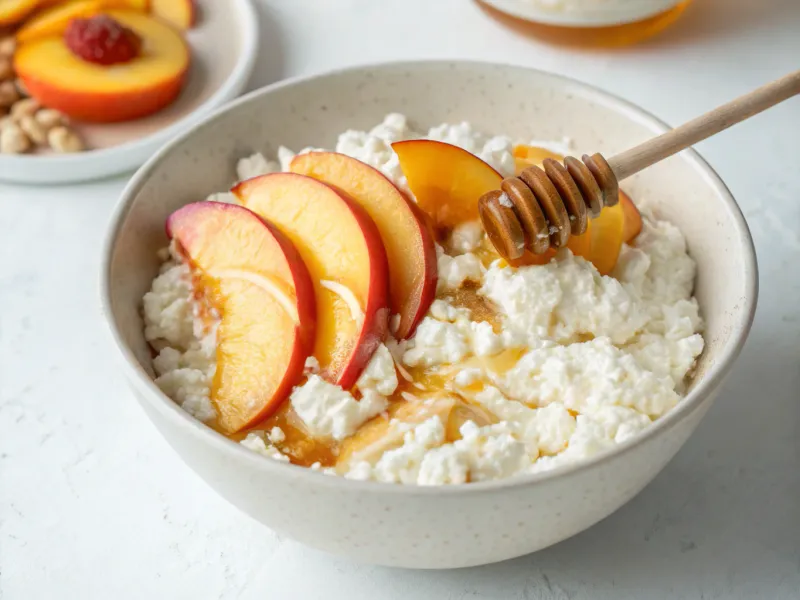
Some newer brands of cottage cheese are adding live probiotic cultures to boost gut benefits. It’s a protein-packed snack that combines the best of dairy nutrition with digestive support.
The mild flavor and creamy texture make it incredibly versatile—enjoy it sweet with fruit or savory with herbs and vegetables. Each serving delivers around 14 grams of protein along with those beneficial bacteria.
Look for labels that specifically mention “live and active cultures” to ensure you’re getting the probiotic advantage beyond regular cottage cheese.
10. Sourdough Bread
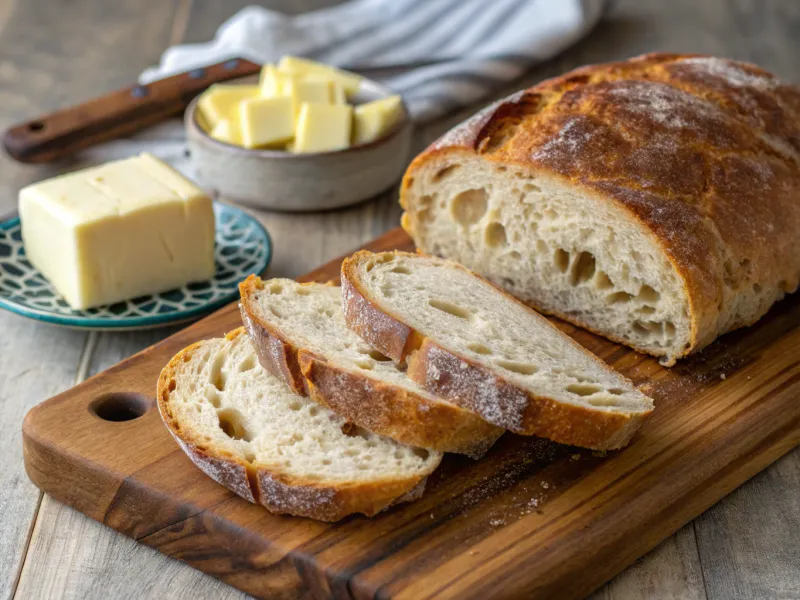
True sourdough is made with a fermented starter of wild yeast and lactic acid bacteria, which can aid digestion and nutrient absorption. It’s gentler on the gut than regular bread and has that delicious tangy flavor you can’t get from commercial yeast.
The long fermentation process breaks down gluten and phytic acid, making nutrients more available and the bread easier to digest. Many people with mild gluten sensitivities find they can tolerate authentic sourdough better.
Toast it for breakfast or use it for sandwiches to enjoy bread that actually supports your digestive health.