 MomSkoop
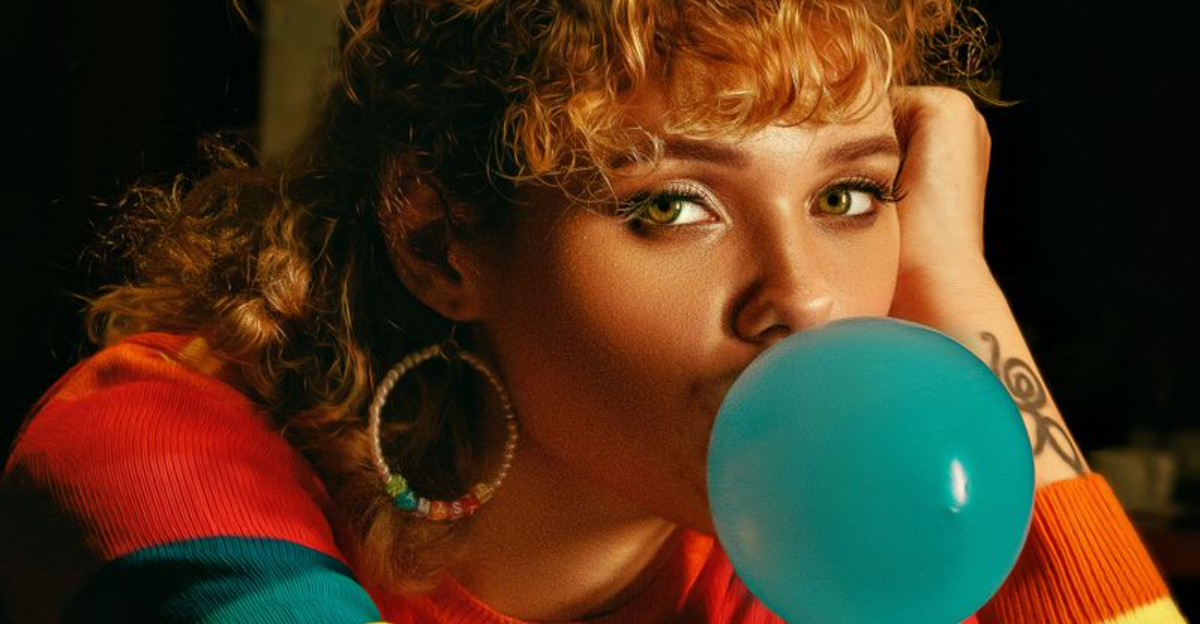
The 1980s gave us some of the boldest hair the world has ever seen, from sky-high bangs to mullets that turned heads in every direction. What is surprising is how many of those looks have quietly crept back into salons, school hallways, and social media feeds.
Stylists today borrow the shapes and textures but soften the edges, so the results feel fresh instead of costumey. Here is a friendly tour of the retro styles worth trying, plus tips for wearing each one without a can of hairspray.
1. The Mullet
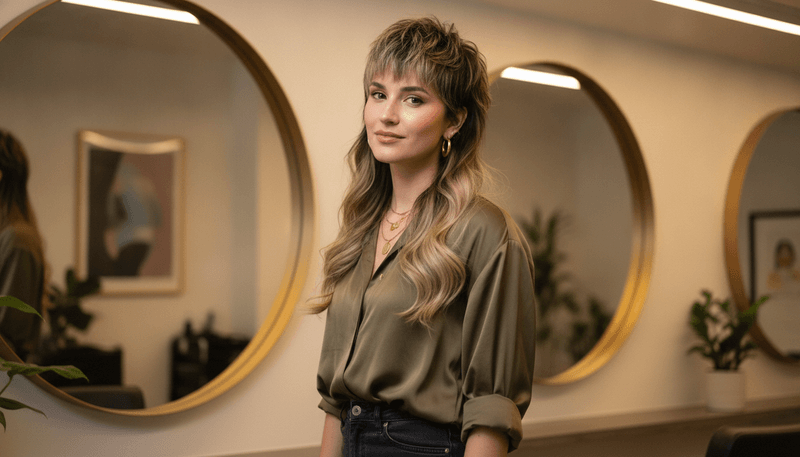
Business in the front, party in the back.
That old joke still describes the mullet perfectly, and somehow the cut refuses to disappear.
Musicians and athletes made it famous in the 1980s, when the contrast between short sides and long back hair was as sharp as possible.
Today’s stylists blur that line with blended layers, so the shape looks intentional rather than accidental.
If you want to test the waters, ask for a soft mullet or a wolf cut, which keeps more weight through the crown.
Curly and wavy hair actually wear the shape beautifully because the texture hides growing-out stages.
A little sea salt spray in the back keeps everything looking lived-in.
2. Big, Voluminous Hair
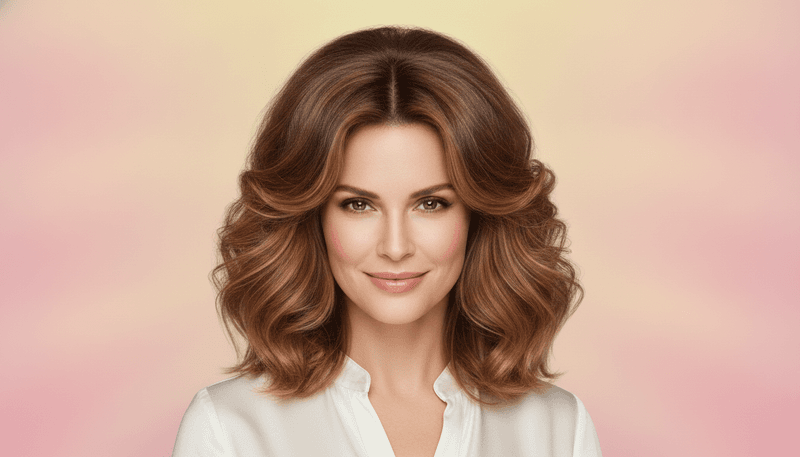
Height ruled the decade.
The bigger the hair, the better, and women teased their roots until their heads looked twice the usual size.
Modern volume comes from smarter tools instead of sheer force.
A round brush, a lightweight mousse at the roots, and a quick blast of cool air lock in lift without the crunchy feel of old-school hairspray.
Layered cuts help too, since removing a little weight lets the top half of your hair spring upward naturally.
Flipping your head upside down while drying is a free trick that works every single time.
The goal now is bounce you can run your fingers through, not a helmet that survives a windstorm.
3. Shag Haircuts
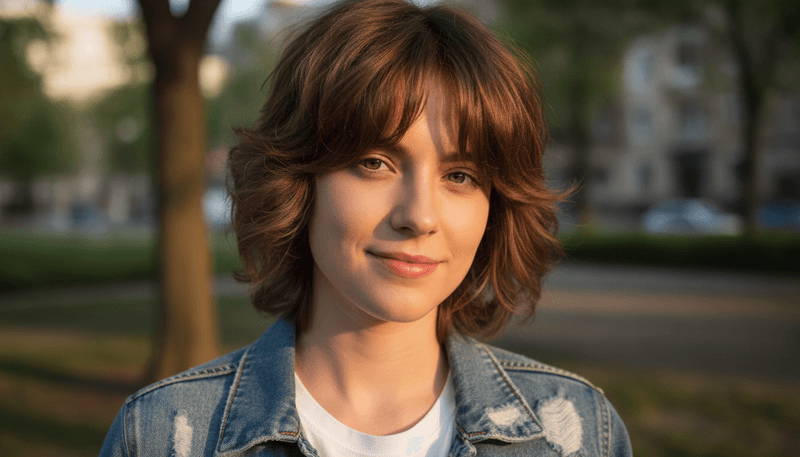
Choppy, messy, and full of movement, the shag was built for people who hate fussing with their hair.
During the 1980s it showed up on rock stars and everyday teens alike because it looked cool even when it was slightly wrecked.
The layers create motion so the hair never sits flat against the head.
Current versions often pair those layers with curtain bangs that part gently in the middle and sweep toward the cheeks.
The combination frames the face without the heavy fringe some people find intimidating.
Air drying works well here, and a texture cream scrunched through damp strands gives you the pieces and separation the cut depends on.
4. Permed Curls
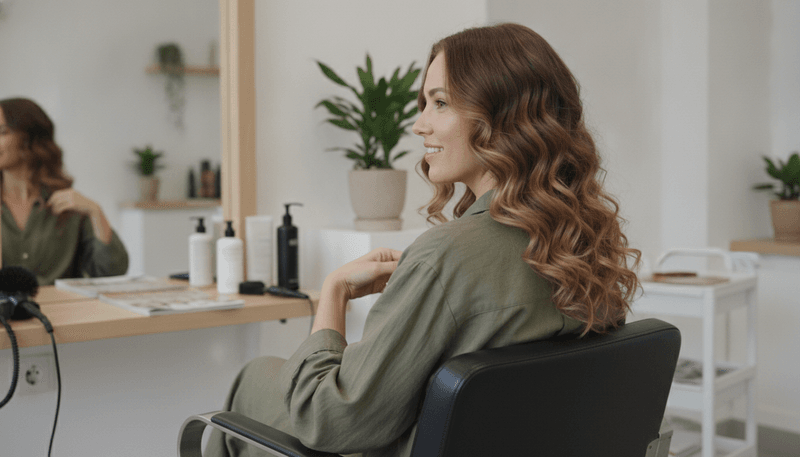
Perm machines were practically household appliances in the eighties.
Salons buzzed with the smell of processing lotion as clients traded straight hair for springy corkscrews.
The old formulas were harsh and produced tight, uniform curls that grew out awkwardly.
Newer options, sometimes called digital or beach perms, use gentler chemistry and larger rods for waves that look closer to natural texture.
Ask your stylist about a mixed rod size, which builds curls in different diameters so nothing looks too perfect.
Sulfate-free shampoo and a weekly mask keep the curls hydrated and bouncy.
One bonus worth mentioning: permed hair usually needs less daily heat styling, which is a win for tired mornings.
5. Feathered Hair
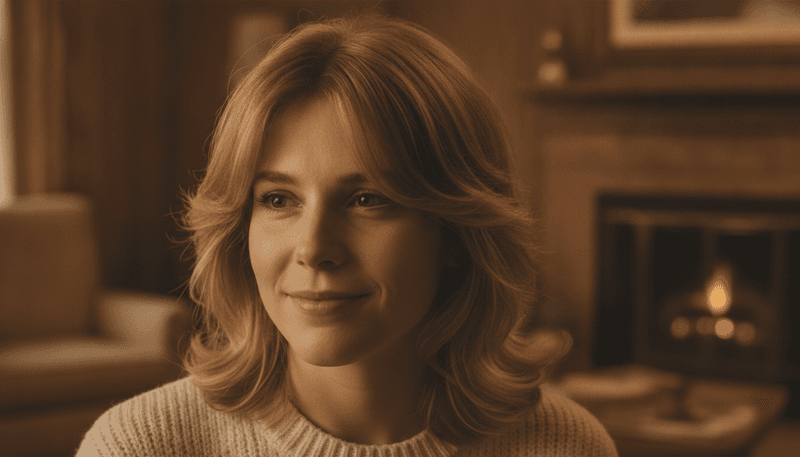
Layers that sweep back from the face like bird wings gave this style its name.
Popular in the late seventies and carried straight into the early eighties, feathered hair depended on careful layering around the cheekbones.
Blow dryers and curling brushes pushed those layers away from the face and held them there.
The modern take skips the stiffness.
A round brush and a bit of volumizing spray create the same open, airy shape, and a mild flexible-hold spray keeps it moving.
Feathering flatters almost every face shape because the angles draw attention upward and outward.
Medium-length hair handles it best, though long hair can be feathered from the chin down for a similar effect.
6. Hair Bows and Oversized Scrunchies
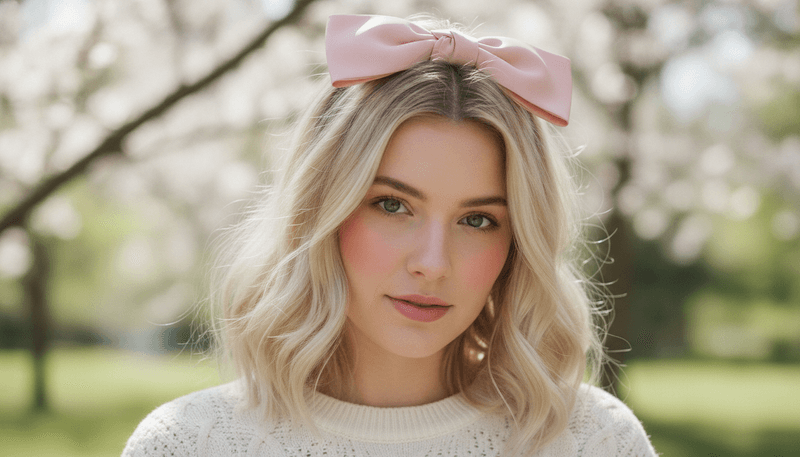
Accessories in the eighties were never subtle.
Bows the size of a hand and scrunchies puffed up like doughnuts topped off almost every outfit.
Part of the appeal was practical, since fabric-covered elastics tug far less than bare ones and cause fewer dents.
Silk and satin versions are especially kind to fine hair.
Bows have made a big comeback on ponytails, half-updos, and low buns, sometimes in velvet for cooler months.
Matching the bow to your outfit is optional, but a contrasting color looks intentional and modern.
Keep a couple on your wrist and you have both a hair fix and an accessory ready whenever you need one.
7. Side-Swept Bangs
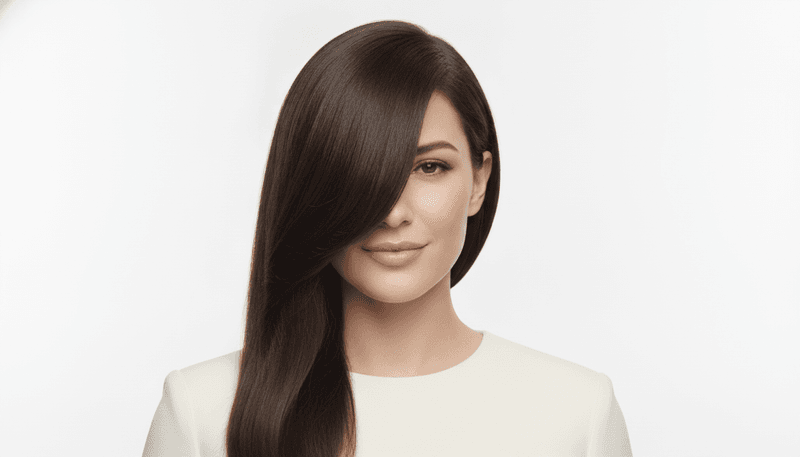
Bangs pushed up and over to one side helped build those famously tall eighties silhouettes.
Back then the fringe was often teased, curled, and cemented into an arc above the forehead.
The effect was dramatic and required serious product.
A gentler take simply lets longer bangs fall diagonally across the brow, blending into the layers beside the face.
Drying them across the forehead with a round brush gives just enough curve.
Side-swept fringe is forgiving, which makes it a smart first step if you have never tried bangs.
Growing them out is painless too, since they eventually melt into face-framing layers instead of sitting awkwardly in the middle.
8. Undercuts and Shaved Sides
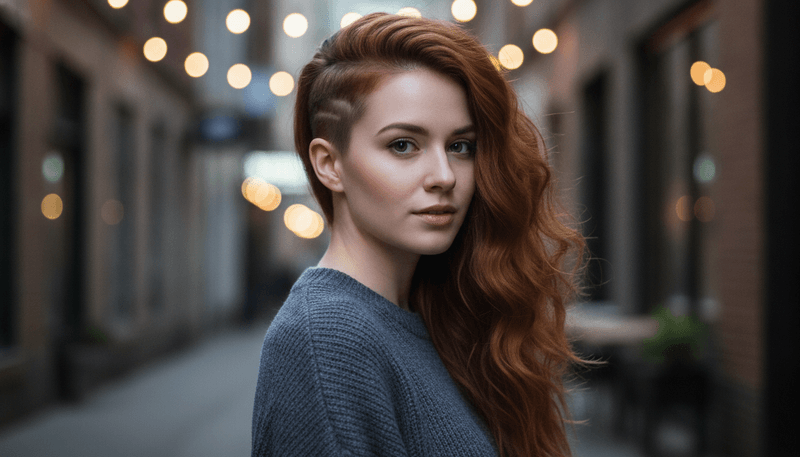
Shaved sections started out as a signal that someone belonged to the punk or new wave crowd.
Buzzed sides and hidden undercuts felt shocking in the eighties, especially on long hair.
Now they show up on everyone from pixie cuts to waist-length styles.
The clever part is control.
A hidden undercut underneath long hair removes bulk and weight while staying invisible until you pull your hair up.
Some people add small designs or fades for extra personality.
Upkeep is straightforward with clippers every few weeks, and growing it out takes patience but not much drama since the surrounding hair covers the transition nicely.
9. Headbands
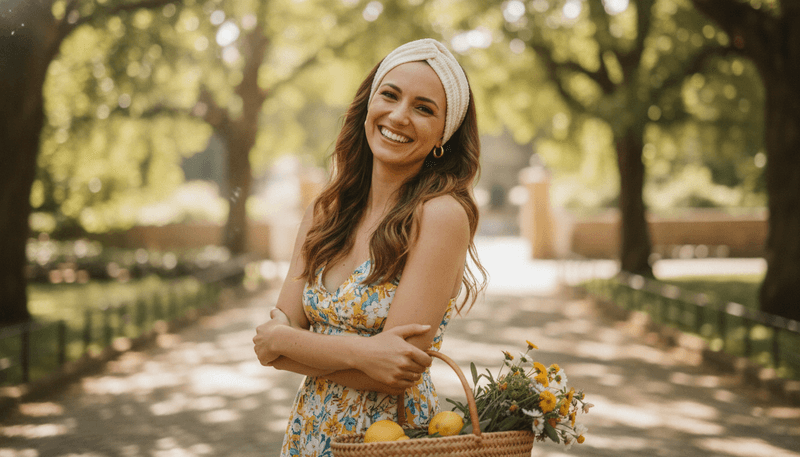
Terry cloth workout bands, wide fabric wraps, and jeweled versions were everywhere in the eighties, on gym floors and at parties.
They served two purposes at once, holding hair back and adding a burst of color to an outfit.
Aerobics culture deserves plenty of credit for the trend.
Padded headbands returned in a big way and instantly create height at the crown, almost like built-in volume.
Sporty knit bands still work for workouts and messy-bun days.
To avoid slipping, place the band slightly back from your hairline and tuck a few short pieces underneath.
Cloth-lined styles stay put better than smooth plastic ones, especially on freshly washed hair.