 MomSkoop
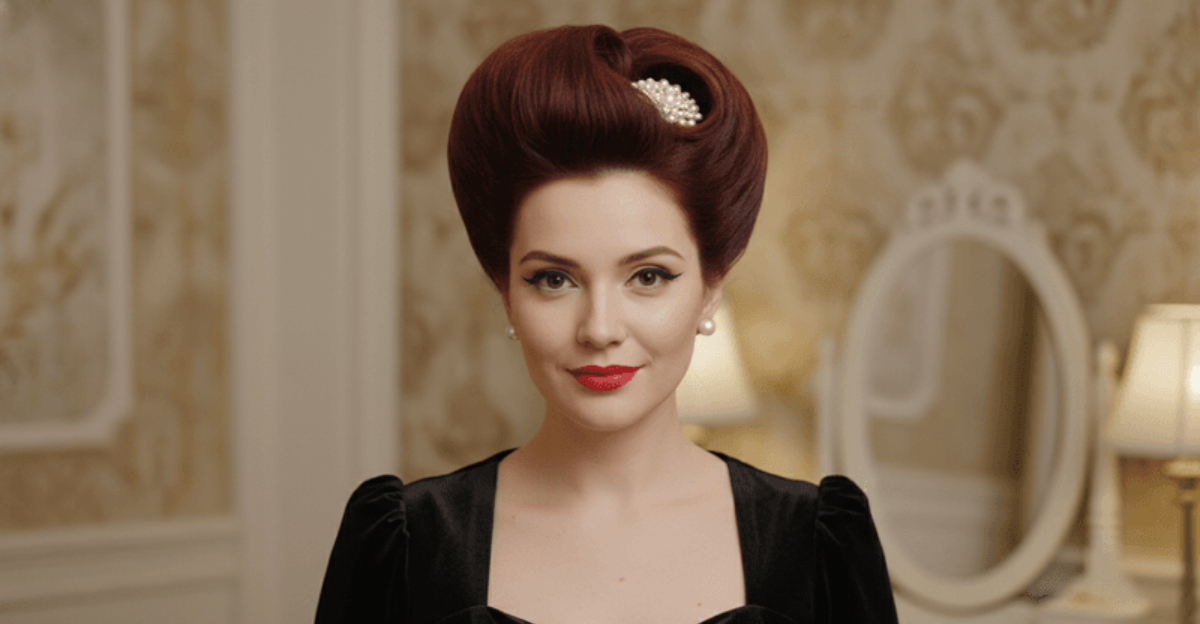
Hairstyles come and go like fashion trends, and what was once the coolest look can quickly become a blast from the past.
From towering updos to dramatic bangs, certain hairstyles defined entire decades before quietly disappearing from salons and street style.
Today, we’re taking a nostalgic trip down memory lane to revisit twelve iconic hairstyles that once ruled the world but have since faded into history.
1. The Mullet – Business in the Front, Party in the Back
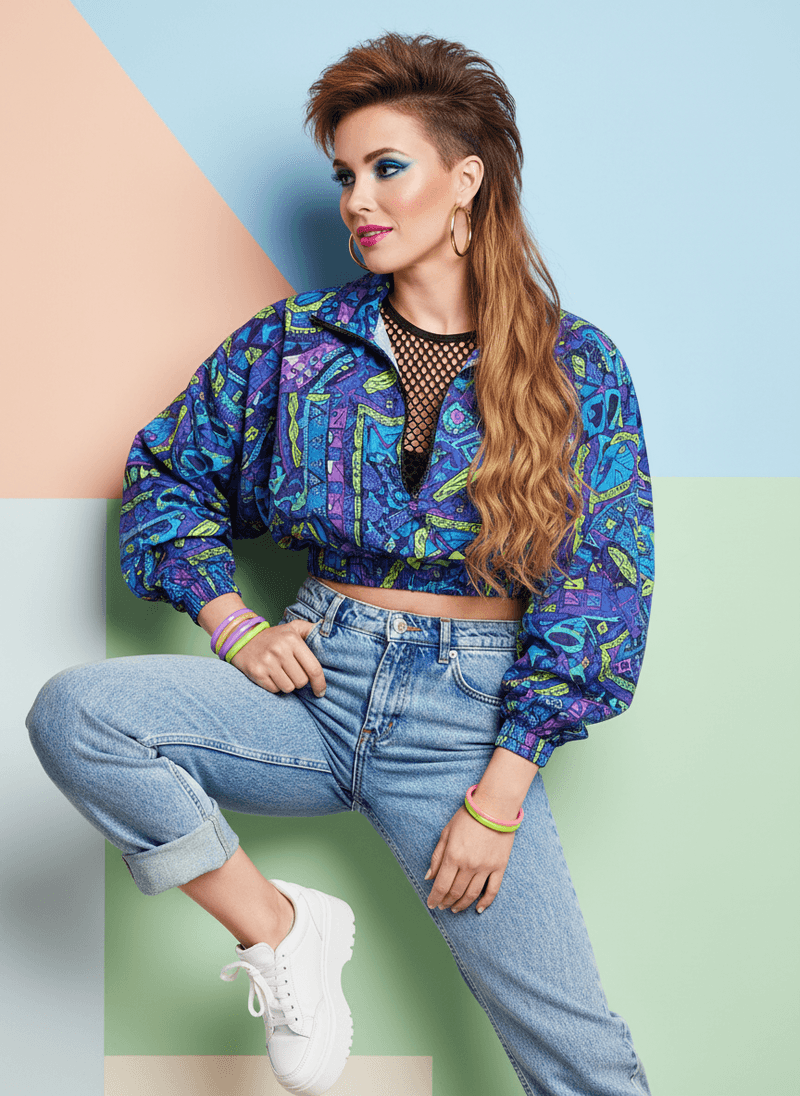
Short hair framing the face with a cascade of length down the neck made this style unforgettable.
The mullet became a cultural phenomenon in the 1980s, sported by rock stars, athletes, and everyday people looking to make a bold statement.
Its unique contrast symbolized a rebellious spirit and carefree attitude.
Though it enjoyed a brief ironic revival in recent years, the mullet has mostly vanished from mainstream fashion.
Today, most people associate it with retro nostalgia rather than cutting-edge style.
The look feels theatrical and dated, reserved for themed parties or vintage photoshoots rather than everyday wear.
2. Crimped Hair – Zig-Zag Texture Everywhere
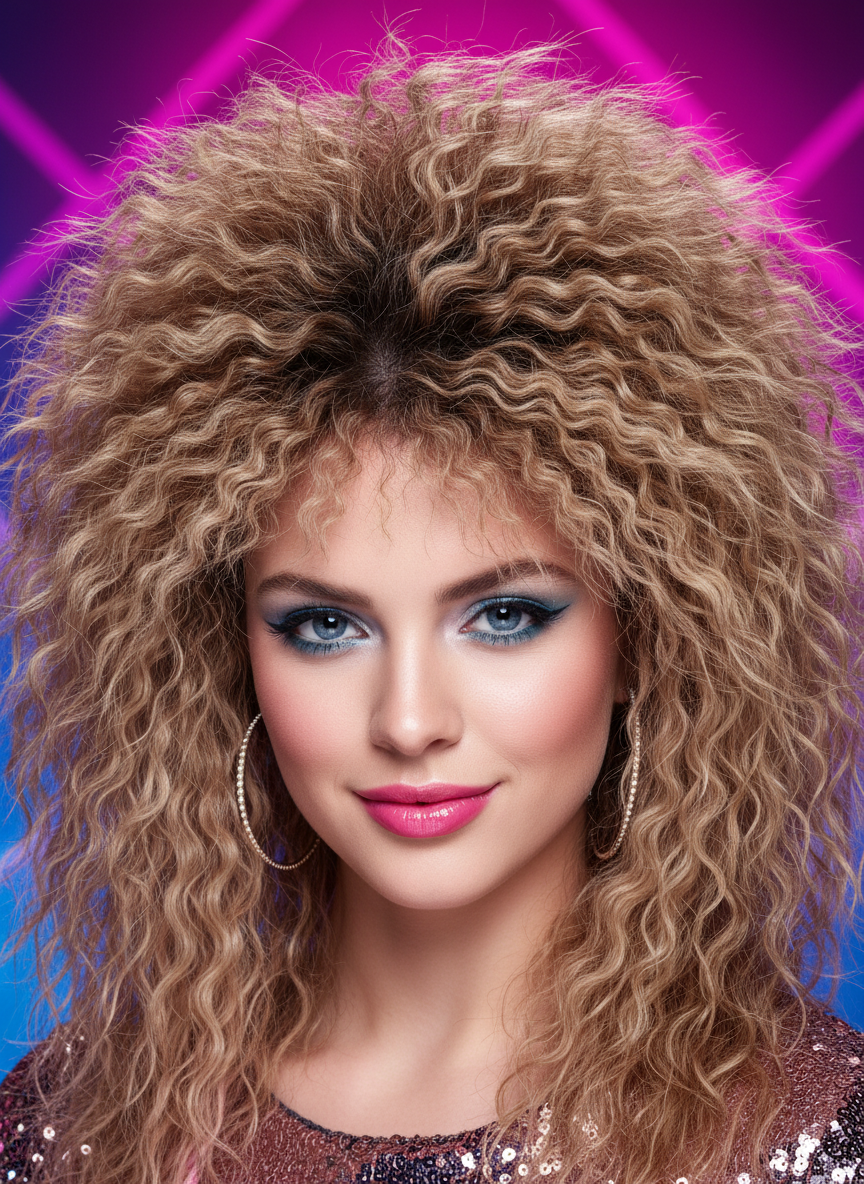
Crimping irons created a distinctive zig-zag wave pattern that gave hair incredible volume and texture.
This style exploded in popularity during the 1980s and carried into the 1990s, becoming a staple at school dances and music videos alike.
Girls and women spent hours pressing heated plates into their hair to achieve that perfect rippled effect.
The look was fun, bold, and impossible to miss in a crowd.
However, the time-consuming process and potential heat damage eventually pushed crimped hair out of favor.
Modern styling techniques focus on healthier, more natural textures, leaving crimping as a distant memory of experimental hair days.
3. Beehive Updo – Sky-High and Spectacular
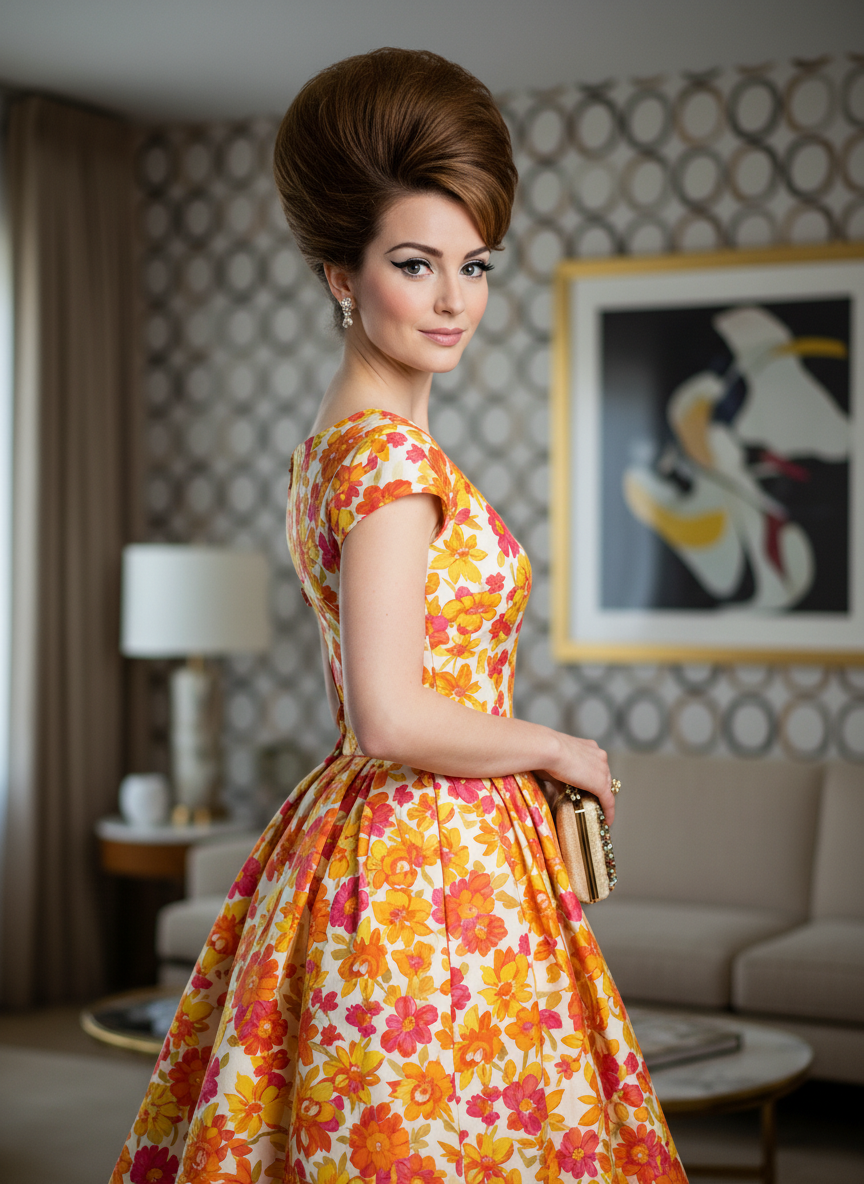
Towering high above the head, the beehive required serious teasing, hairspray, and architectural skill.
This 1960s classic became synonymous with glamour and sophistication, favored by celebrities and fashionable women worldwide.
The rounded, dome-shaped silhouette created an instantly recognizable profile that commanded attention.
Creating a beehive took considerable time and patience, with layers of back-combing building the structure.
While stunning in vintage photographs, the style feels overly theatrical for today’s more relaxed beauty standards.
You might spot it at retro-themed events or costume parties, but rarely on the street or in modern salons.
4. The Rachel Cut – Jennifer Aniston’s Legacy
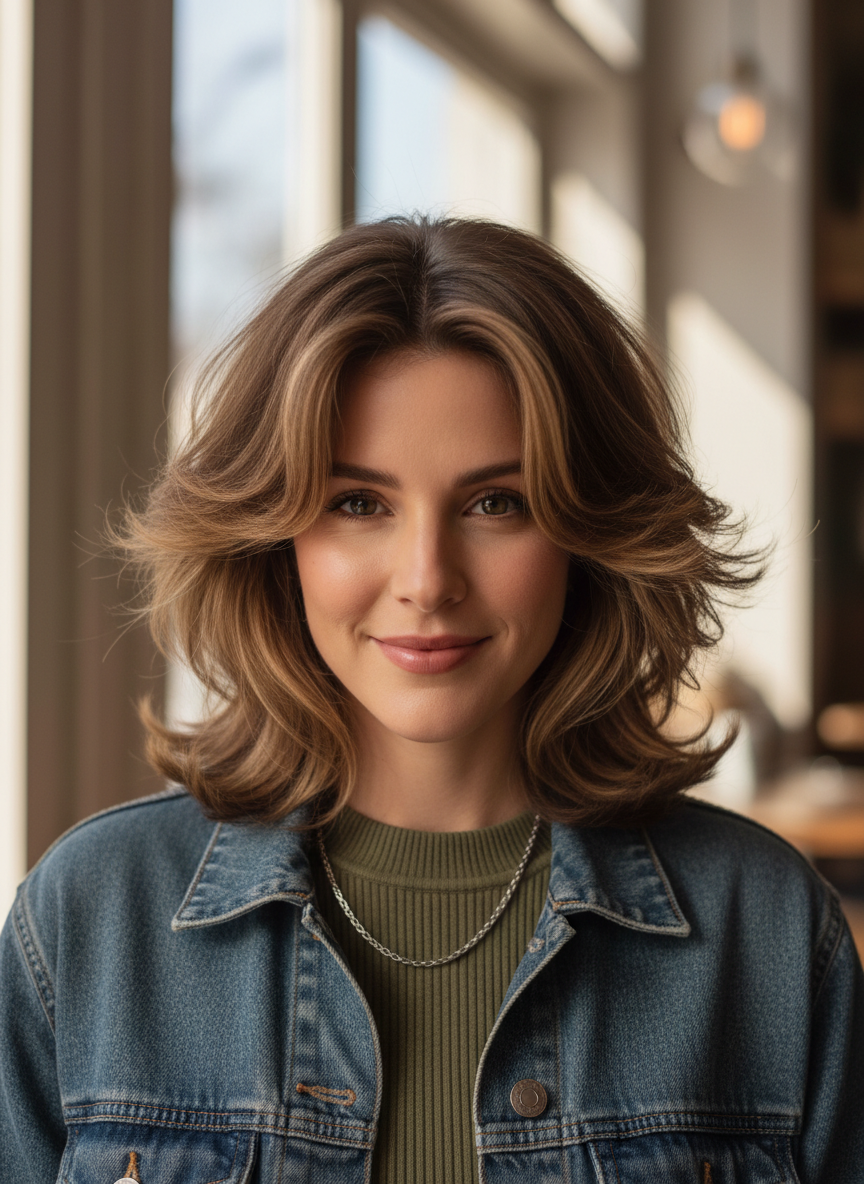
Named after Jennifer Aniston’s character on Friends, this layered, shoulder-length cut became the most requested hairstyle of the 1990s.
The style featured bouncy layers that flipped outward, creating movement and dimension.
Salons everywhere were flooded with clients clutching magazine photos, desperately wanting to recreate the iconic look.
The Rachel required regular maintenance and specific styling to achieve that signature flip.
As the new millennium arrived, sleeker, straighter styles took over, and the heavily layered cut fell out of fashion.
While Aniston herself has moved on to different looks, the Rachel remains a nostalgic symbol of ’90s pop culture.
5. Bowl Cut – Perfectly Round and Uniform
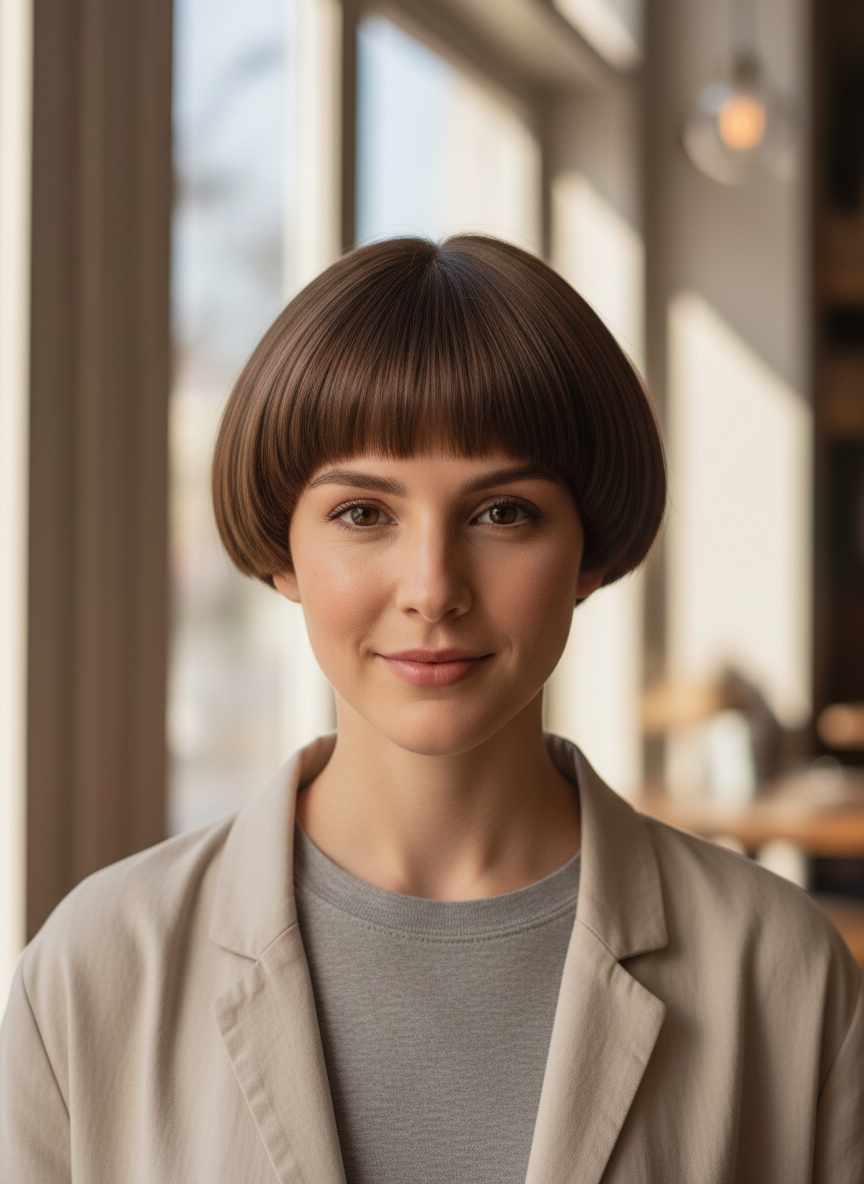
Imagine placing a bowl on someone’s head and cutting around it—that’s exactly how this style got its name and shape.
The bowl cut created a perfectly rounded silhouette with uniform length all around, often with straight bangs across the forehead.
Popular among children and some adults in various decades, it was practical and easy to maintain at home.
However, the bowl cut’s simplistic shape offered little versatility or flattering angles for most face shapes.
As hairstyling became more sophisticated, people moved toward cuts with texture and dimension.
Today, you’ll rarely see this style outside retro fashion shoots or deliberately quirky style choices.
6. Frosted Tips – Light Contrasts on Dark Hair
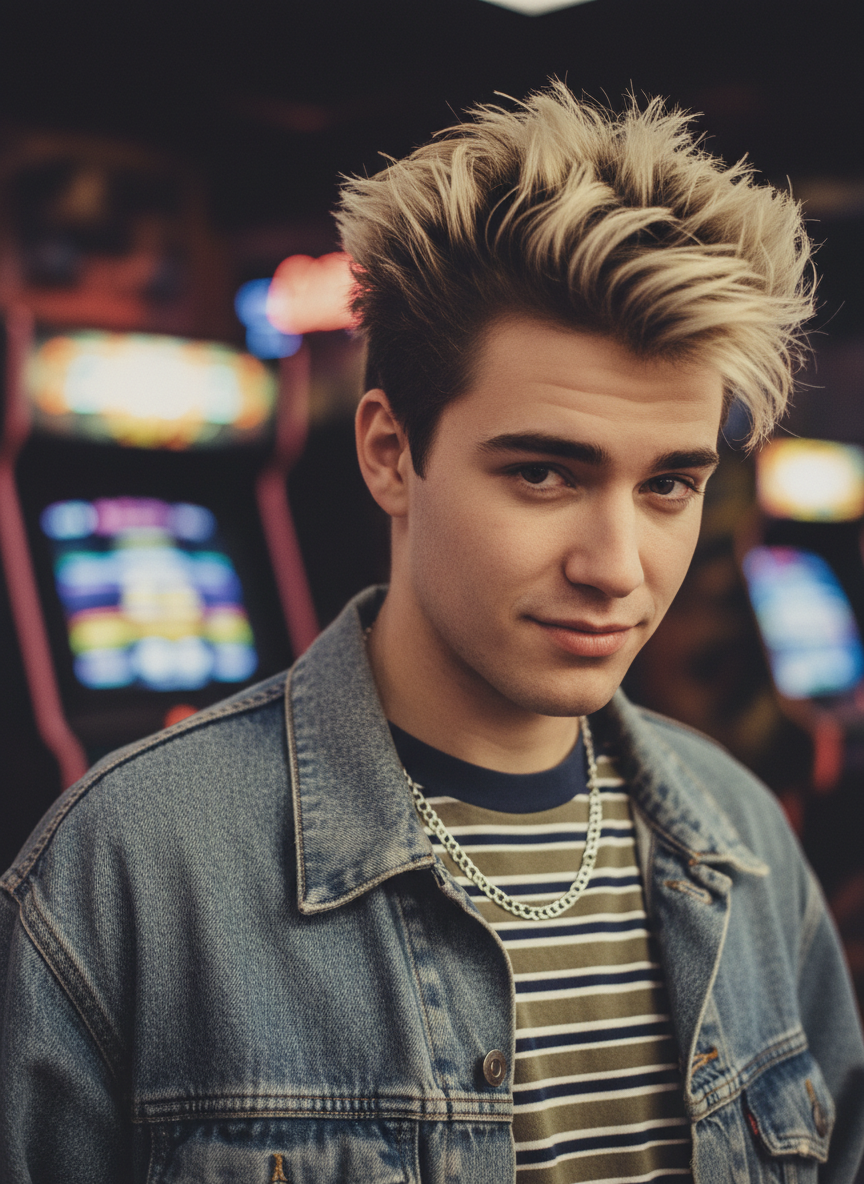
Bleaching just the very ends of hair created a striking contrast that screamed late 1990s and early 2000s.
Boy bands, pop stars, and teenage boys everywhere embraced this edgy look that added dimension and rebellion to their style.
The frosted effect worked particularly well on spiky or textured hair, creating a sun-kissed appearance.
Achieving frosted tips required bleach and careful application to avoid over-processing.
The trend eventually became associated with dated fashion choices, and natural color techniques replaced harsh contrasts.
While some celebrities have playfully revisited the look, it remains firmly planted in Y2K nostalgia rather than contemporary style guides.
7. Rat Tail – The Mysterious Strand
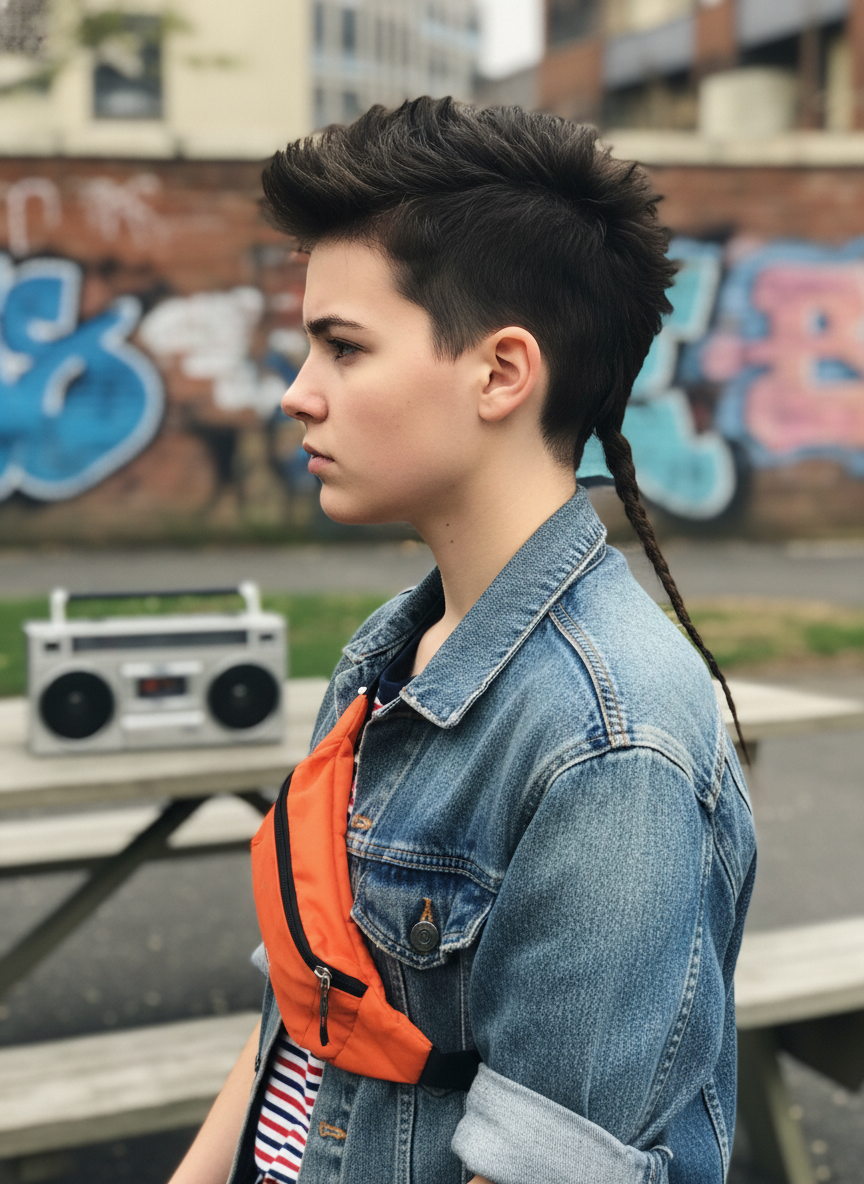
Short hair all over with one long, thin strand trailing down the neck created this peculiar and memorable style.
The rat tail gained popularity in the 1980s and early 1990s, often braided or left loose as a unique statement piece.
Some wearers decorated their rat tails with beads or kept them exceptionally long, making them conversation starters.
This style divided opinions—some found it cool and rebellious, while others considered it unusual.
As fashion moved toward cleaner, more polished looks, the rat tail quietly disappeared from mainstream acceptance.
Today, it exists primarily in nostalgic memories and old family photographs, rarely spotted in everyday life.
8. Side-Swept Emo Bangs – Dramatic Eye Coverage
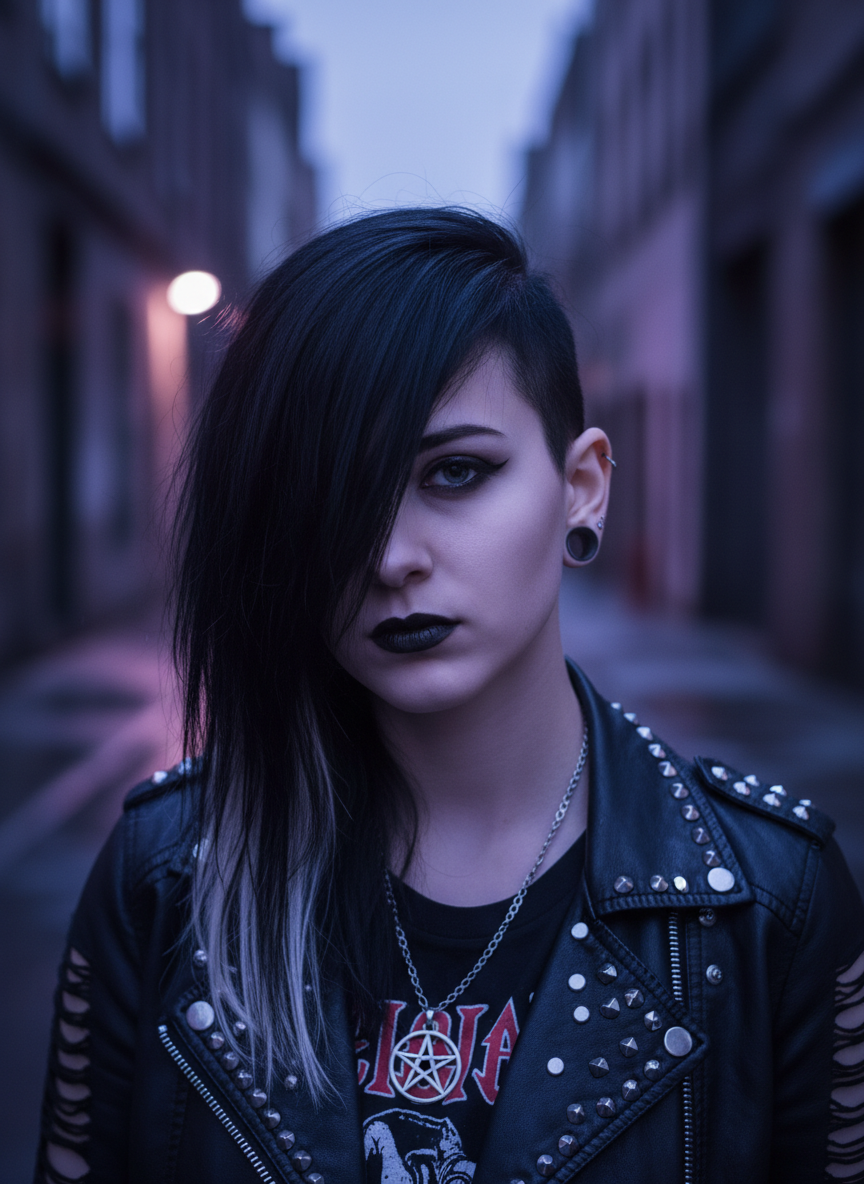
Long, heavily styled bangs swept dramatically across the face, often covering one eye completely, defined the emo and scene subcultures of the mid-2000s.
This look required significant length, straightening, and strategic positioning to maintain that perfect swoosh.
Black or brightly colored hair enhanced the dramatic effect, paired with skinny jeans and band t-shirts.
The style expressed teenage angst and alternative music tastes, becoming instantly recognizable.
However, the impracticality of obscured vision and the intense maintenance required eventually pushed it out of favor.
As emo culture evolved and mainstream fashion moved on, these extreme bangs became a nostalgic symbol of a specific cultural moment.
9. Excessive Hair Bumps (Snooki Bump) – Crown Elevation
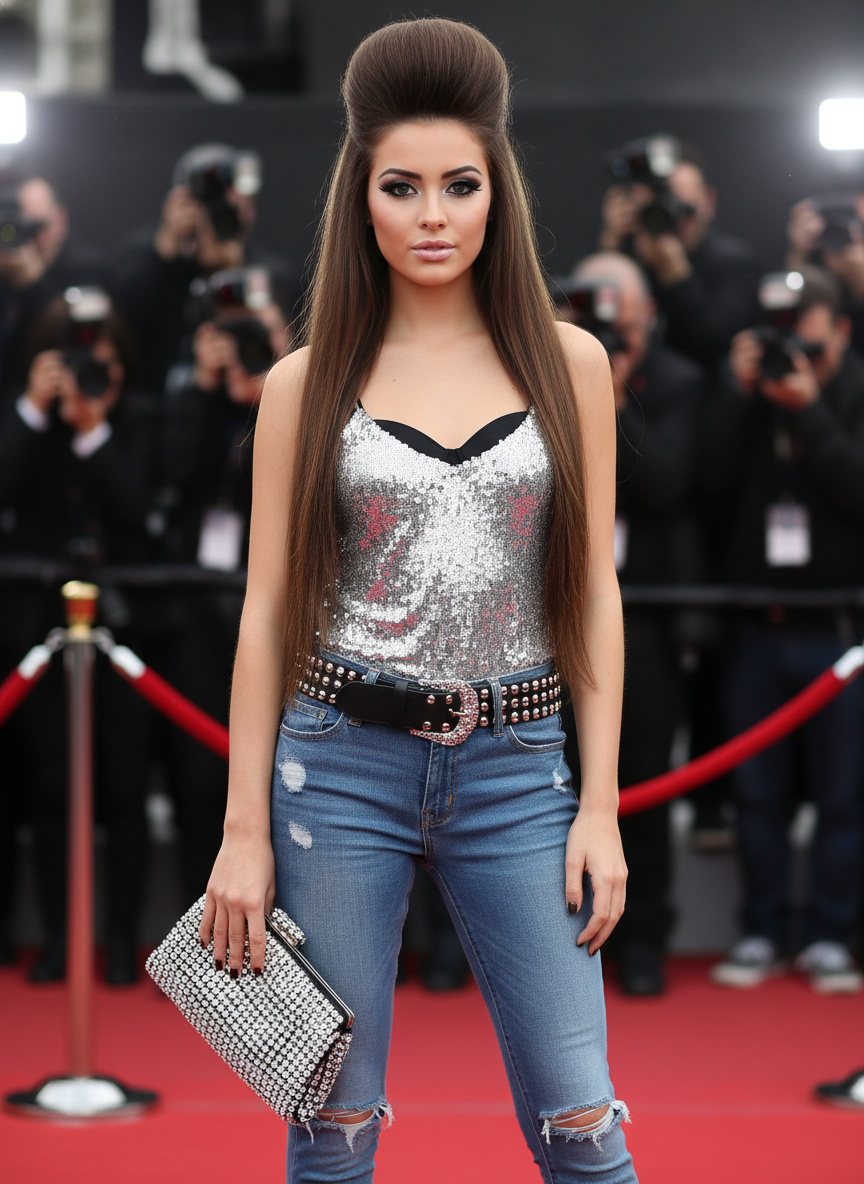
Teasing the crown of the head to extreme heights created a dramatic bump that added several inches of volume.
Popularized by reality TV stars in the late 2000s, particularly Nicole “Snooki” Polizzi, this style required backcombing, hairspray, and sometimes padding for maximum height.
The bump sat prominently at the top of the head, often paired with long, straight hair flowing down.
Creating this look took considerable time and product, with maintenance needed throughout the day.
The exaggerated proportions eventually felt dated as natural, effortless styles became more desirable.
While fun and attention-grabbing in its heyday, the excessive bump now represents a specific era of reality TV culture.
10. Feathered Layers – Swept-Back Wings
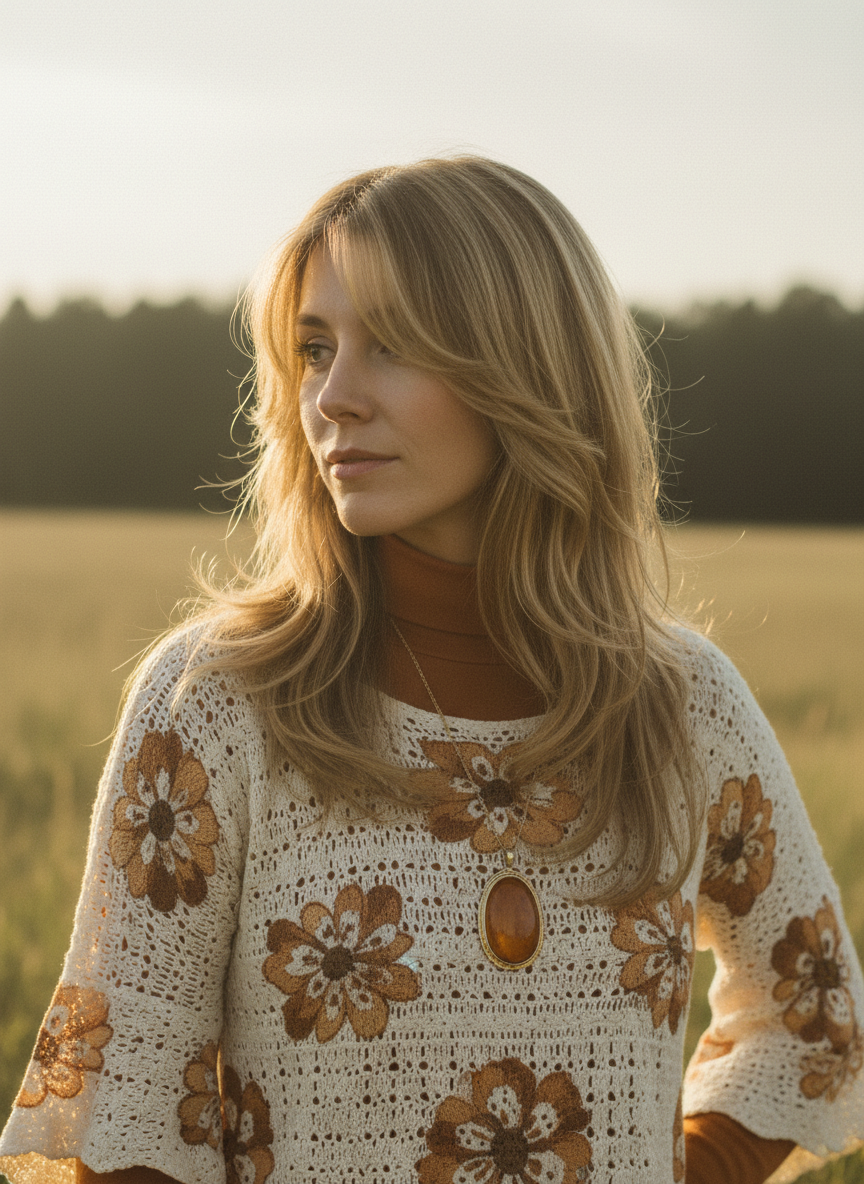
Layers cut and styled to sweep away from the face like bird feathers created a soft, romantic look throughout the 1970s and early 1980s.
This technique added movement and dimension, with hair appearing to flow backward in graceful waves.
Icons like Farrah Fawcett made feathered hair legendary, inspiring countless imitations and salon requests.
Achieving perfect feathering required blow-drying skills and the right products to maintain that swept-back shape.
As styling preferences shifted toward straighter, sleeker textures, feathered layers lost their appeal.
Modern layering techniques focus on softer, more natural movement rather than the structured, swept-back feathering of decades past.
11. Teased Bouffant – Vintage Volume
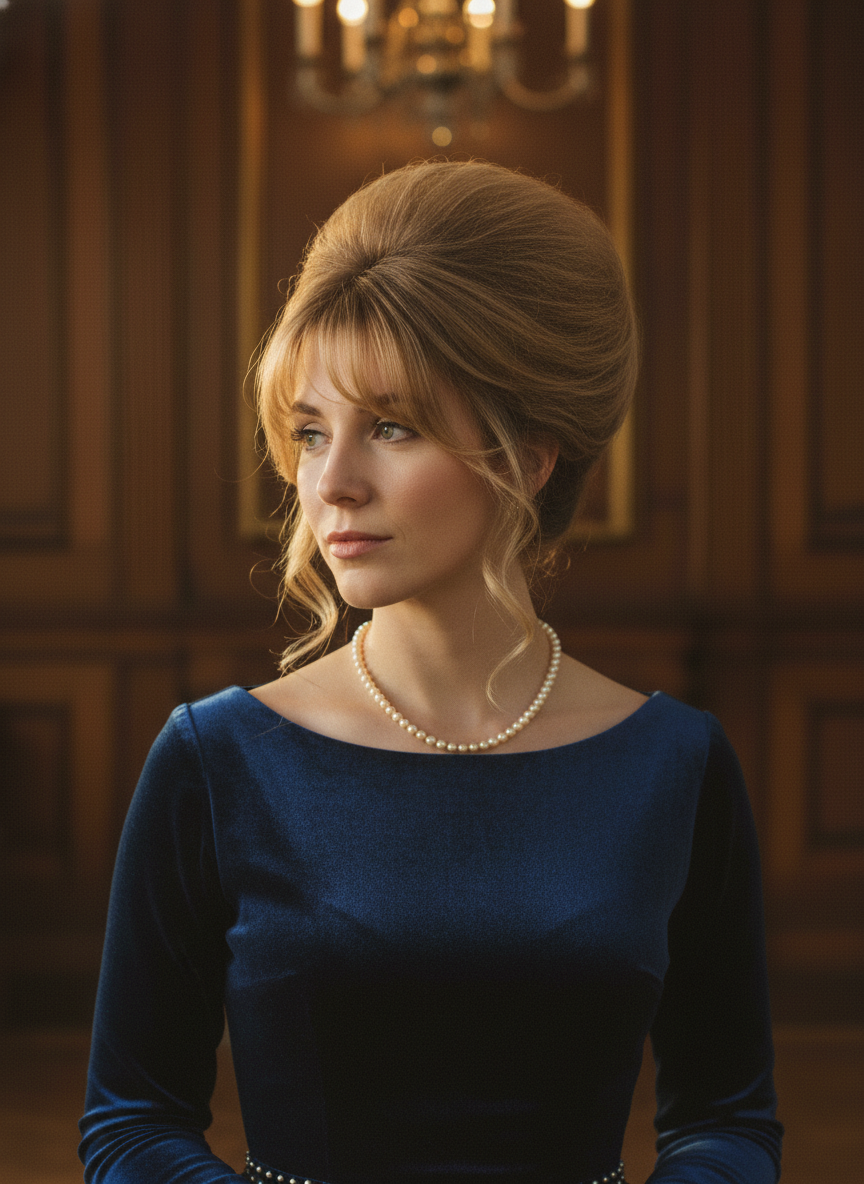
Heavily back-combed hair created dramatic volume and height reminiscent of old Hollywood glamour.
The bouffant involved teasing sections of hair at the roots and smoothing the outer layer for a polished finish.
This style dominated the early 1960s, representing sophistication and elegance at formal events and everyday occasions alike.
Creating a bouffant required patience, teasing combs, and generous amounts of hairspray to maintain the structure.
The time-intensive process and formal appearance eventually made it impractical for modern lifestyles.
While beautiful in vintage contexts, the teased bouffant now appears primarily in period films, retro photoshoots, or special themed occasions rather than contemporary fashion.
12. Sharp Asymmetrical Haircuts – Extreme Angles
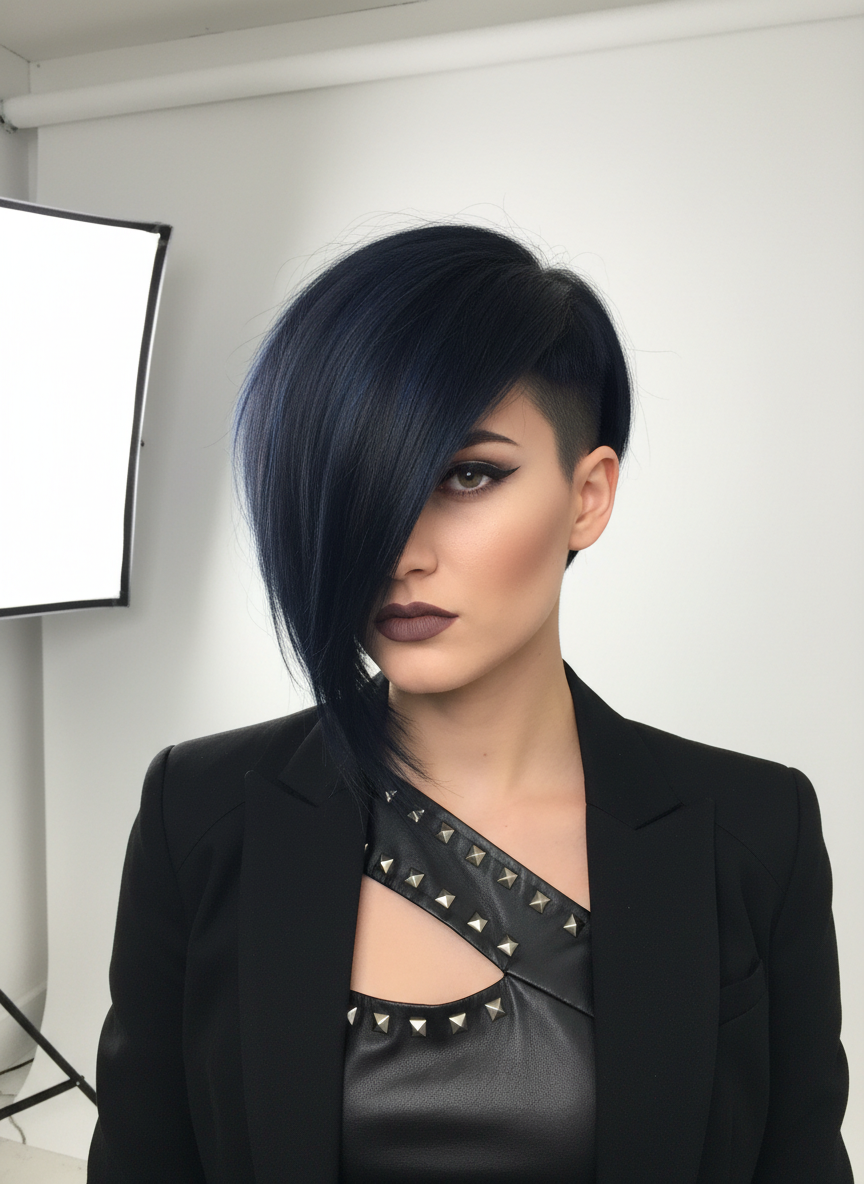
One side dramatically shorter than the other created bold, geometric shapes that challenged traditional symmetry.
These extreme asymmetrical bobs featured sharp angles and precise cutting, often with one side chin-length and the other barely reaching the ear.
The avant-garde style made powerful fashion statements in the 2000s and early 2010s.
The look required skilled cutting and regular maintenance to preserve those clean, dramatic lines.
However, the severe angles proved difficult to style and limited versatility for different occasions.
As softer, more natural shapes gained popularity, these extreme asymmetrical cuts faded from mainstream salons, replaced by gentler, more wearable variations.