 MomSkoop
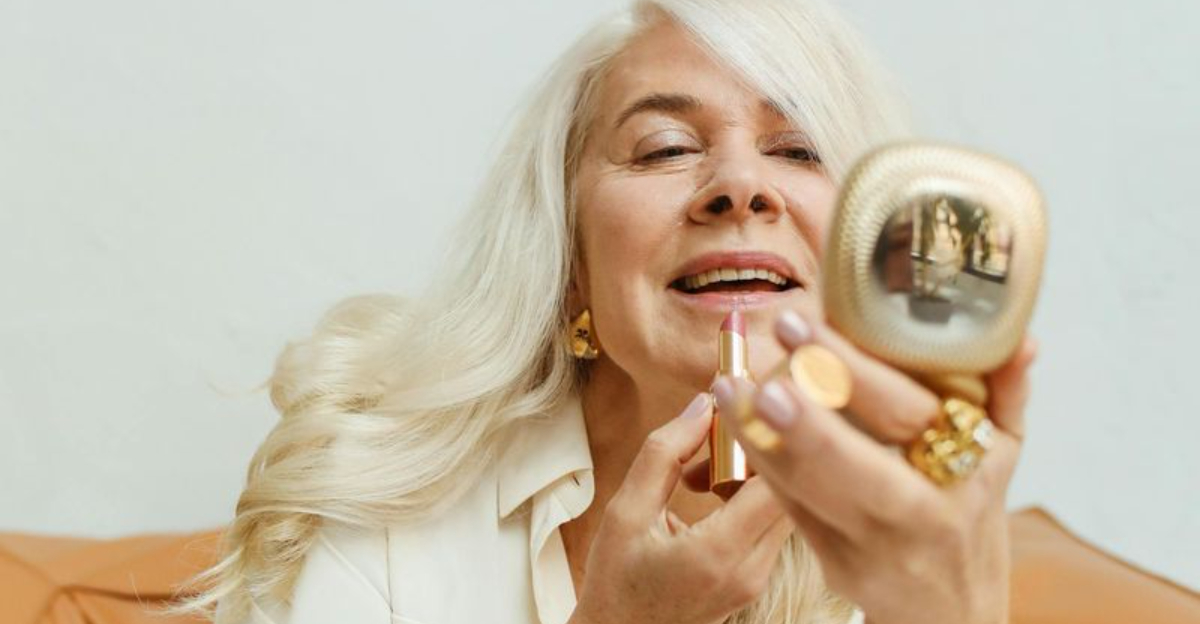
Beauty advice gets passed down through generations, but not all of it stands the test of time. Many makeup rules that once seemed essential are now considered outdated by modern beauty experts.
What worked decades ago might actually be making you look older or less polished today. Here are twelve common beauty habits that deserve a fresh look and some updated alternatives that can transform your routine.
1. Using Too Much Foundation to Cover Wrinkles
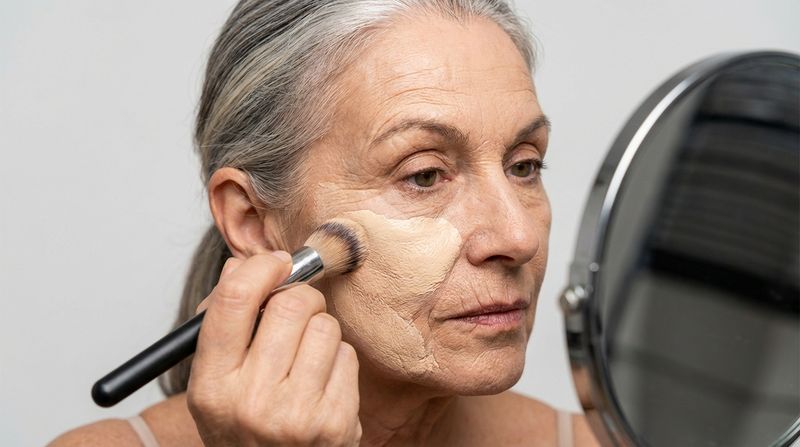
Piling on foundation might seem like the answer to hiding fine lines, but it actually does the opposite.
Heavy foundation settles into creases and makes wrinkles appear deeper and more noticeable throughout the day.
Modern beauty experts recommend using a lightweight, hydrating foundation or tinted moisturizer instead.
Apply it only where you need coverage, letting your natural skin show through in other areas.
A good primer underneath helps smooth the skin’s texture without adding extra layers.
Remember that less is truly more when it comes to mature skin and foundation application.
2. Only Wearing Neutral Nail Polish
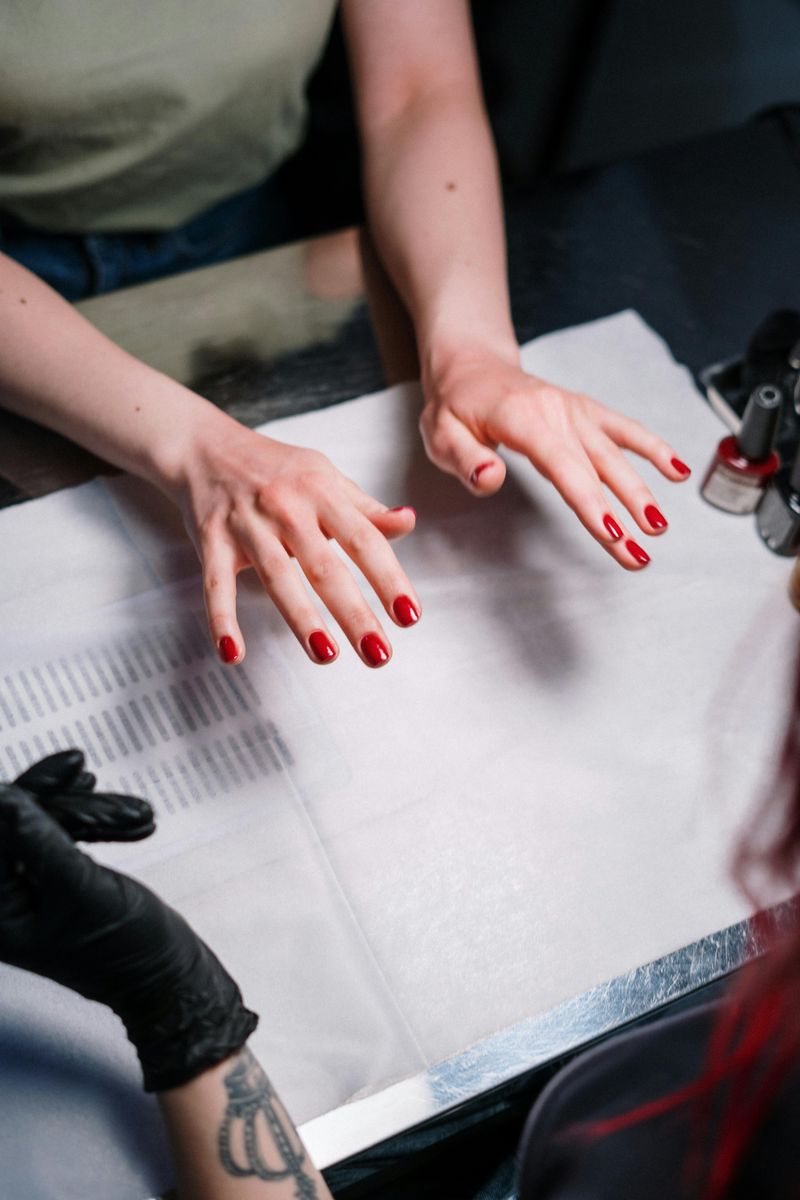
The old rule about sticking to beige or pale pink nails after a certain age is completely unnecessary.
Colorful nails can actually draw attention to your hands in a positive way and express your personality.
Bright reds, corals, and even trendy shades like lavender or emerald green look sophisticated at any age.
The key is keeping your nails well-groomed and the polish neatly applied, not limiting your color choices.
Dark colors can make hands look more elegant, while bright shades add a youthful, energetic vibe.
Choose colors that make you happy rather than following outdated age-related restrictions.
3. Never Using Cream Blush
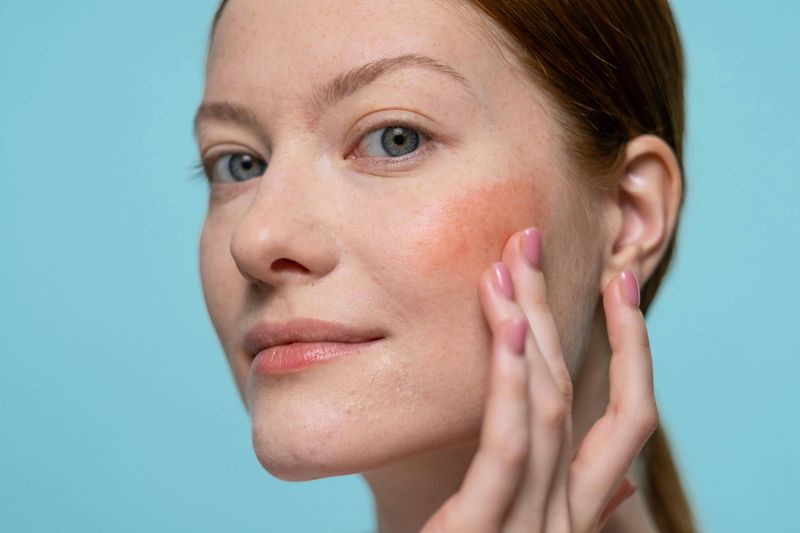
Cream blush has gotten a bad reputation for supposedly settling into fine lines and looking too shiny.
Actually, cream formulas can give mature skin a natural, youthful glow that powder blush cannot achieve.
The trick is choosing the right formula and applying it correctly with light, patting motions.
Cream blush blends seamlessly into skin and looks more like a natural flush than powder alternatives.
Apply it after foundation but before powder, using your fingertips or a damp sponge for best results.
Modern cream blushes are designed to work beautifully on all skin types and ages without creasing.
4. Applying Blush Only to the Apple of the Cheeks
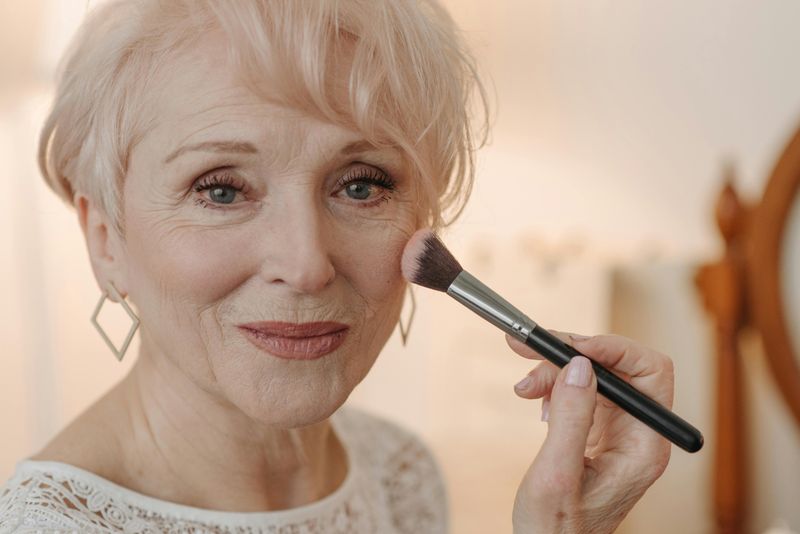
Smiling and dotting blush on the roundest part of your cheeks was standard advice for years.
This placement can actually drag your face downward and emphasize sagging rather than lifting your features.
Beauty professionals now recommend applying blush higher on the cheekbones, sweeping upward toward the temples.
This technique creates a lifted, more youthful appearance and works with your face’s natural structure.
Start at the top of your cheekbone and blend back toward your hairline in an upward motion.
The result is a natural-looking flush that enhances your bone structure instead of working against it.
5. Wearing the Same Foundation Shade for Years
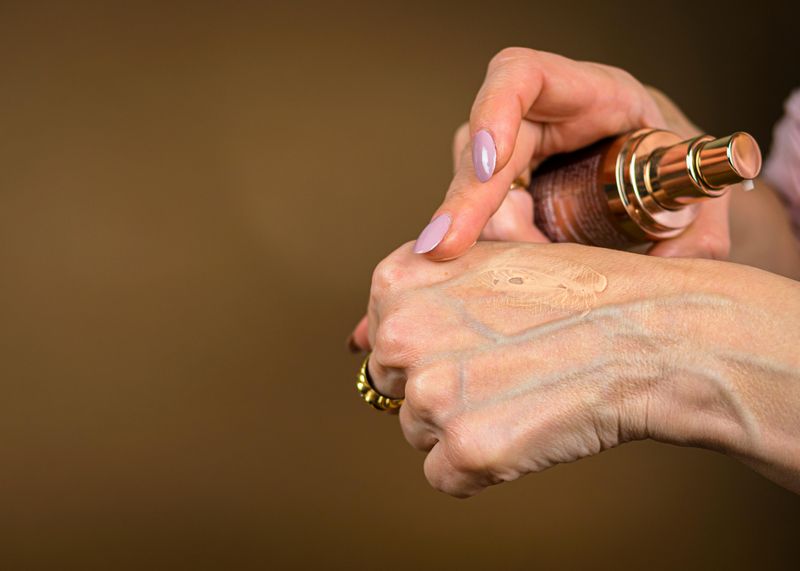
Your skin tone changes with the seasons, age, and even hormonal shifts throughout your life.
Sticking with one foundation shade year after year means you’re probably not getting the best match anymore.
Most people need at least two shades: one for winter when skin is paler and one for summer.
Your undertone can also shift as you age, making previously perfect shades look too pink or too yellow.
Get color-matched at a makeup counter at least once a year to ensure your foundation still suits you.
A proper match disappears into your skin and requires no blending down onto your neck.
6. Over-Filling Eyebrows
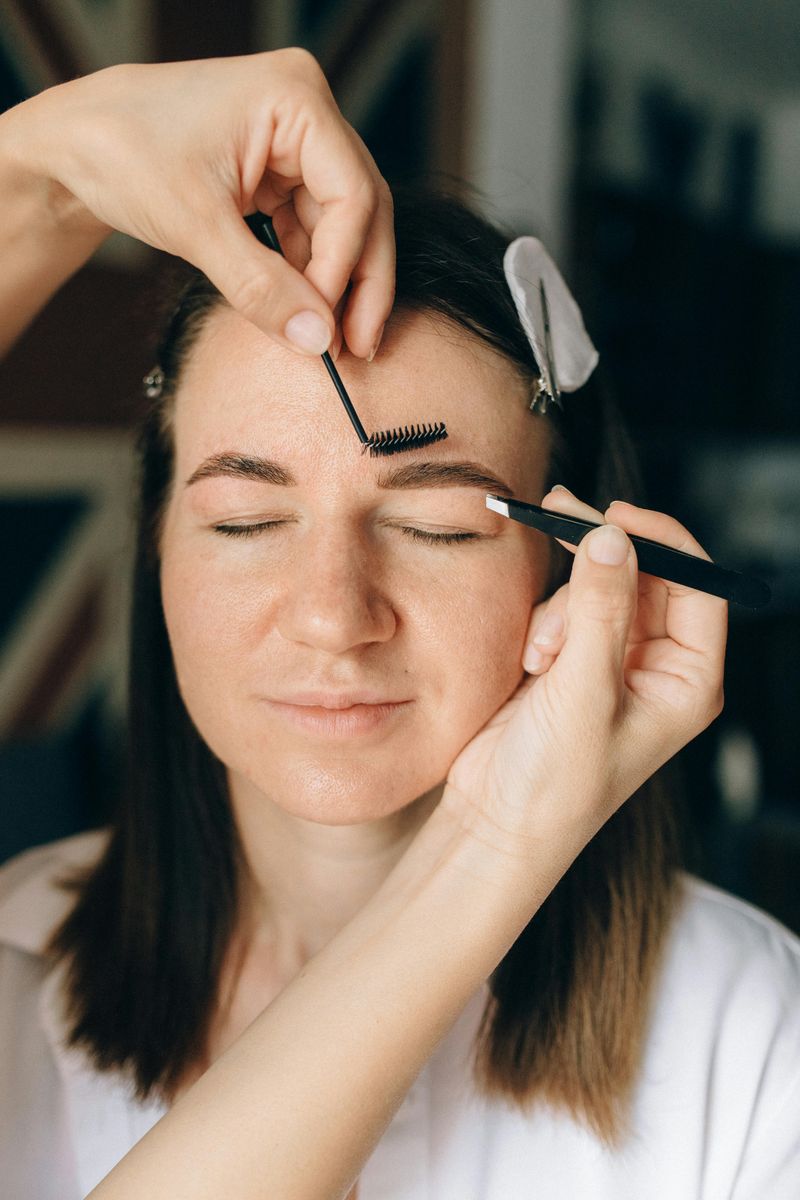
Bold, Instagram-style brows became so popular that many people took the trend too far for everyday wear.
Heavily drawn, blocky eyebrows can look harsh and artificial, especially as we age and lose facial volume.
Natural-looking brows with a soft, feathered appearance are more flattering and modern for most face shapes.
Use light, hair-like strokes to fill sparse areas rather than creating a solid, painted-on look.
Choose a shade that matches your natural brow color or is just slightly darker for definition.
Remember that eyebrows should frame your face, not overpower it or become the main focal point.
7. Using a Lot of Powder
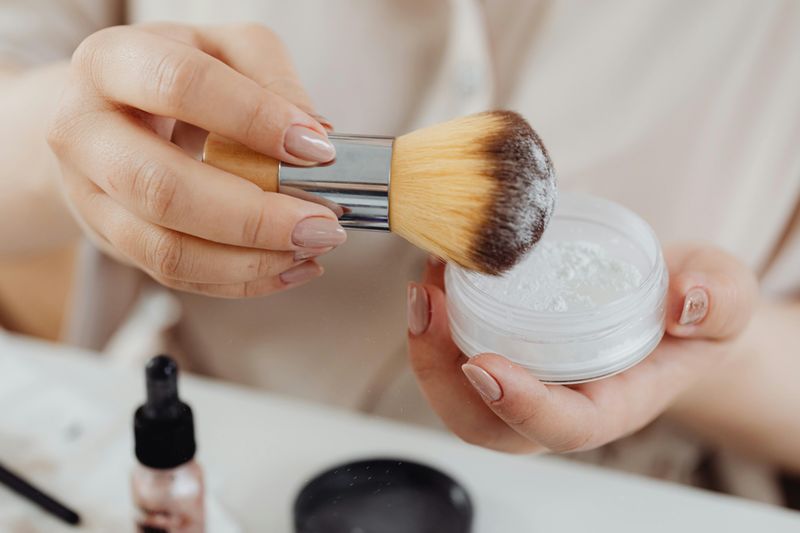
Powder was once considered essential for setting makeup and controlling shine throughout the day.
Too much powder makes skin look flat, dull, and emphasizes texture issues like dry patches or wrinkles.
Modern makeup techniques focus on achieving a natural, slightly dewy finish rather than a completely matte look.
If you need powder, apply it only to your T-zone where oil naturally accumulates during the day.
Use a light hand with a fluffy brush, and consider switching to a finely-milled translucent formula.
Many people find they can skip powder entirely by using long-wearing, transfer-resistant foundation formulas instead.
8. Skipping Primer
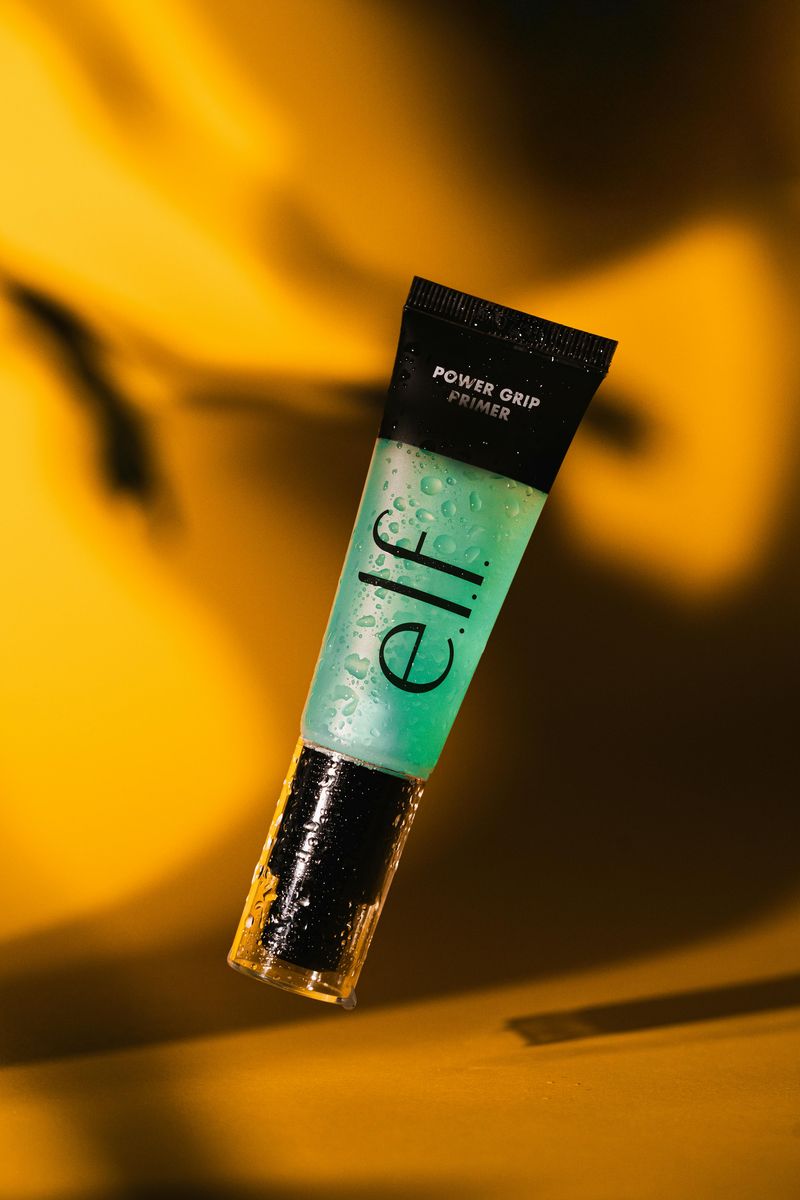
Primer seemed like an extra step that beauty companies invented just to sell more products.
Actually, a good primer creates a smooth canvas that helps foundation glide on evenly and last longer.
Different primers address specific concerns like large pores, redness, dullness, or excessive oil production.
Using primer means you can actually wear less foundation because your skin starts with a better base.
It fills in fine lines and pores, creating that airbrushed effect that heavy foundation never quite achieves.
Apply primer after moisturizer and sunscreen, giving it a minute to set before adding foundation on top.
9. Avoiding Lip Gloss
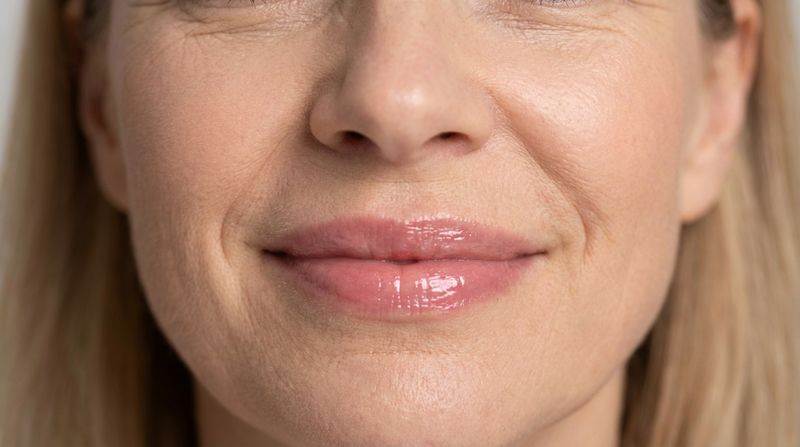
Lip gloss got dismissed as too sticky, too shiny, or too juvenile for mature women to wear.
Modern glosses are nothing like the thick, goopy formulas from decades past that stuck to everything.
A sheer gloss or glossy balm can make lips look fuller, more hydrated, and youthful without looking overdone.
Glossy lips reflect light, which draws attention upward and creates a fresh, healthy appearance overall.
Try a tinted gloss for a hint of color with shine, or layer clear gloss over your favorite lipstick.
The key is choosing lightweight formulas that feel comfortable and don’t migrate into lip lines.
10. Using Too-Light Concealer
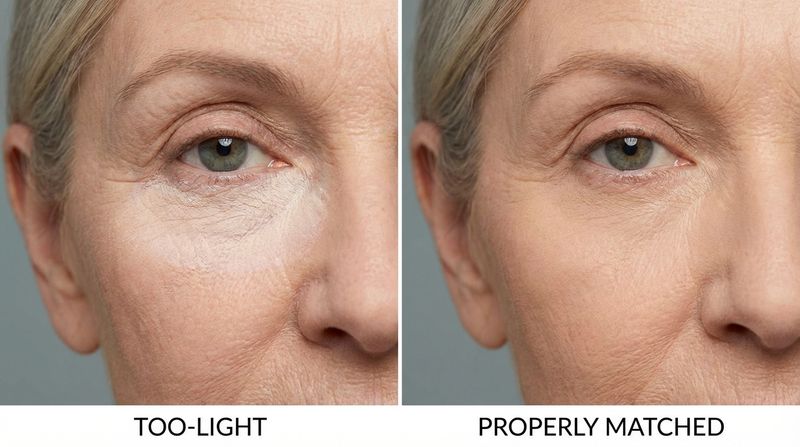
The old advice to go two shades lighter under your eyes seemed like a brightening trick.
A concealer that’s too light actually highlights wrinkles, creases, and texture problems in the under-eye area.
It creates an unflattering reverse-raccoon effect that draws attention to the very area you’re trying to conceal.
Choose a concealer that matches your skin tone exactly, or is just half a shade lighter at most.
The goal is to neutralize darkness and even out skin tone, not to create stark contrast.
Apply concealer in a small inverted triangle under the eye and blend gently for the most natural coverage.
11. Skipping Highlighter
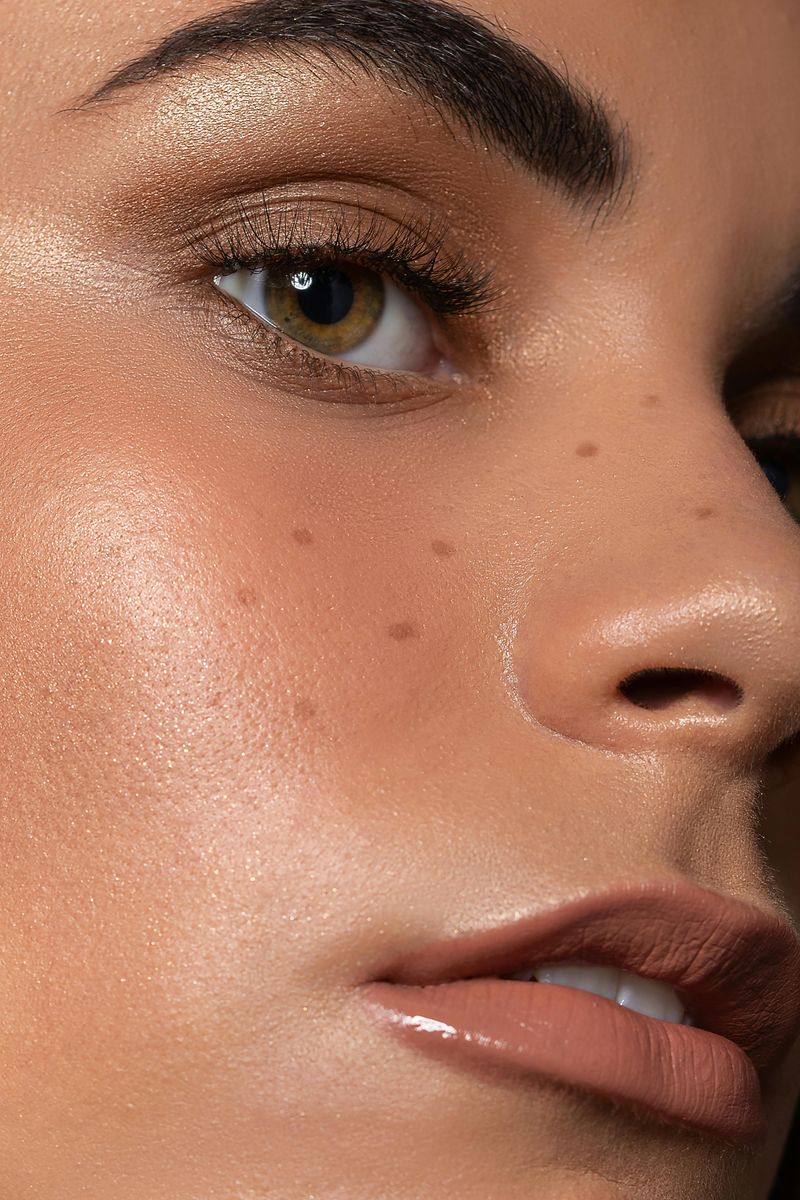
Highlighter was considered too trendy, too glittery, or something only young people could pull off successfully.
A subtle highlighter brings light back to the face and creates dimension that naturally fades with age.
The secret is choosing a finely-milled, champagne or pearl shade rather than obvious glitter or shimmer.
Apply it sparingly to the high points of your face: tops of cheekbones, brow bones, and cupid’s bow.
This catches natural light and makes your skin look healthy and radiant rather than flat or tired.
Cream highlighters blend seamlessly and look more natural than powder formulas on mature skin types.
12. Not Blending Foundation Well

Rushing through foundation application and stopping at the jawline was common practice for saving time and product.
Visible foundation lines around your face make makeup look obvious, heavy, and poorly applied to everyone around you.
Taking an extra minute to blend foundation down your neck and along your hairline makes all the difference.
Use a damp beauty sponge or dense brush to seamlessly blend edges until there’s no visible line anywhere.
Check your makeup in natural light before leaving home to catch any harsh lines you missed initially.
Well-blended foundation looks like naturally flawless skin rather than a mask sitting on top of your face.