 MomSkoop

People judge you before you even open your mouth. Your body language, facial expressions, and habits send powerful messages that shape how others respond to you. Understanding these silent signals can transform your relationships, career, and daily interactions in ways you never imagined possible.
1. Eye Contact That Commands Respect

Looking someone directly in the eyes shows confidence and honesty.
When you maintain steady eye contact during conversations, people automatically trust you more.
They feel like you’re genuinely interested in what they’re saying.
Avoiding eye contact, on the other hand, makes you seem nervous or untrustworthy.
People might think you’re hiding something or don’t care about the conversation.
Practice holding eye contact for three to five seconds at a time.
This sweet spot feels natural without becoming uncomfortable or intense.
Strong eye contact during job interviews, meetings, or first dates can completely change how others perceive your competence and character.
2. Posture That Projects Power

Standing tall with your shoulders back instantly makes you appear more capable.
Good posture communicates self-assurance even when you’re feeling anxious inside.
Slouching tells everyone around you that you lack energy or don’t take things seriously.
People unconsciously associate upright posture with leadership qualities and reliability.
Your spine alignment affects how others view your professionalism and authority.
When you walk into a room with your head held high, people naturally pay more attention.
They’re more likely to listen to your ideas and value your opinions.
Fixing your posture takes conscious effort at first, but eventually becomes automatic and transforms your presence.
3. The Strategic Use of Space

How close you stand to others dramatically affects their comfort level around you.
Respecting personal space shows social awareness and emotional intelligence.
Standing too close makes people feel invaded and want to escape from you quickly.
Keeping too much distance can make you seem cold, unfriendly, or uninterested.
Cultural backgrounds influence what distance feels appropriate in different situations.
Generally, maintaining about two to four feet works well for professional conversations.
Friends and family naturally prefer closer distances during casual interactions.
Pay attention to whether someone steps back or leans in during your conversations—their body gives you clear signals about comfort zones.
4. Smile Authenticity Matters

A genuine smile involves your entire face, especially the crinkles around your eyes.
Fake smiles only move your mouth and feel uncomfortable to everyone watching.
Real smiles release chemicals in your brain that actually make you feel happier.
They also trigger positive responses in the people you’re smiling at.
When you smile authentically, others instantly feel more relaxed and welcomed around you.
They’re more likely to help you, agree with you, or want to spend time with you.
Practice smiling with your eyes by thinking of something that genuinely makes you happy.
This creates natural warmth that draws people toward you rather than pushing them away.
5. Hand Gestures That Emphasize
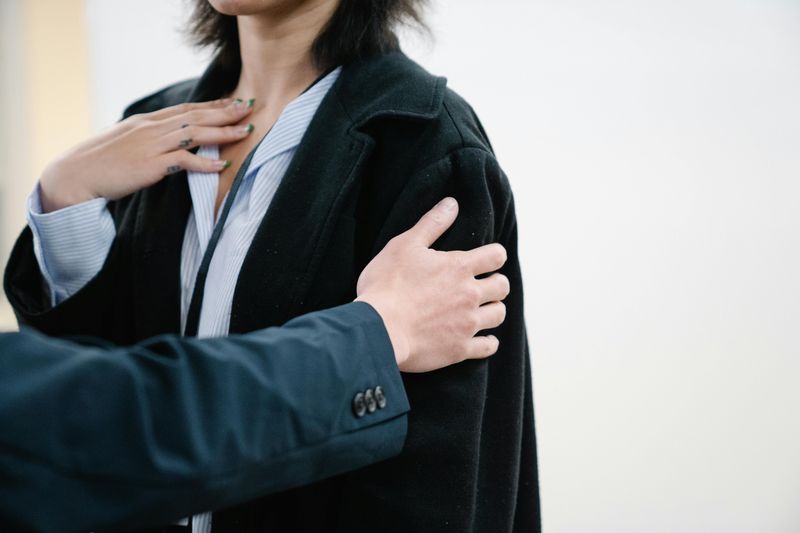
Your hands can either reinforce your message or completely distract from it.
Open palm gestures make you appear honest, trustworthy, and approachable to others.
Fidgeting, pointing aggressively, or hiding your hands suggests nervousness or dishonesty.
Using your hands naturally while speaking helps people remember what you say better.
Studies show that speakers who gesture appropriately are perceived as more competent and persuasive.
Keep your movements smooth and purposeful rather than jerky or excessive.
Avoid crossing your arms, which creates a barrier between you and your audience.
Strategic hand movements can emphasize important points and keep listeners engaged throughout your entire conversation.
6. Walking Speed and Confidence

The pace at which you walk tells others how you value yourself and your time.
Walking with purpose and steady speed suggests confidence and clear direction in life.
Shuffling slowly makes you appear uncertain, tired, or lacking in motivation.
Rushing frantically everywhere signals poor time management and constant stress.
People who walk at a moderate, deliberate pace command more respect from others.
They seem organized, in control, and worth paying attention to.
Your walking speed also affects how you feel internally about yourself.
Moving with intention actually boosts your mood and makes you feel more capable of handling challenges.
7. Vocal Tone Beyond Words

How you say something matters far more than what you actually say.
A warm, steady voice makes people feel safe and valued in your presence.
Speaking too softly suggests insecurity and makes others dismiss your opinions.
Talking too loudly comes across as aggressive and pushes people away from you.
Varying your pitch and pace keeps listeners interested and engaged.
Monotone delivery makes even exciting topics sound boring and forgettable.
When you speak with appropriate volume and pleasant tone, people naturally lean in closer.
They want to hear what you have to say and take your ideas more seriously overall.
8. Mirroring Creates Connection

Subtly copying someone’s body language creates instant rapport and trust between you.
This technique happens naturally when people genuinely like each other.
Deliberately mirroring posture, gestures, or speaking pace makes others feel understood.
They become more cooperative and agreeable without even realizing why.
Sales professionals and therapists use this strategy to build quick connections with clients.
The key is being subtle—obvious copying feels creepy and manipulative.
Match their energy level and general body position rather than mimicking every move.
When done correctly, mirroring makes conversations flow smoothly and leaves both people feeling positive about the interaction.
9. Grooming Standards Speak Volumes
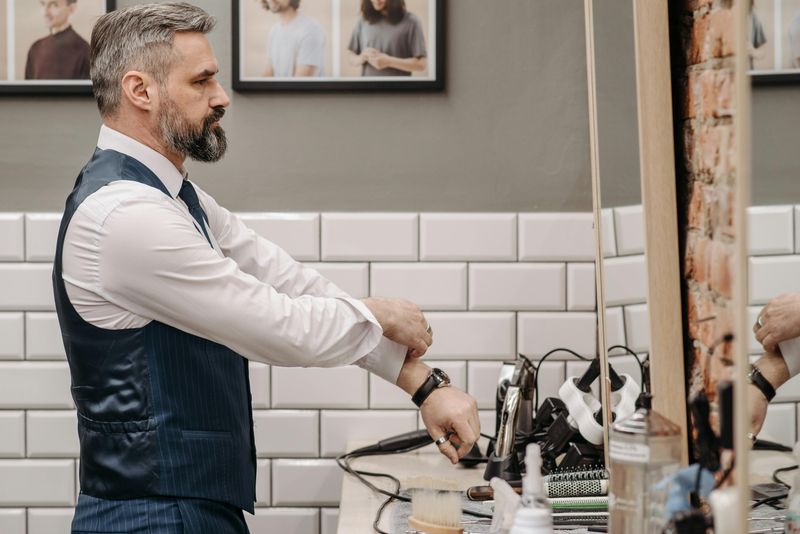
Your appearance communicates how much you respect yourself and those around you.
Clean, well-maintained clothing shows attention to detail and personal pride.
Messy hair or wrinkled clothes suggest carelessness about important things.
People make snap judgments about your competence based on grooming within seconds.
You don’t need expensive clothes, just clean and appropriately fitted ones.
Taking care of basic hygiene demonstrates respect for others’ comfort.
When you present yourself well, people assume you handle responsibilities with similar care.
First impressions based on appearance are hard to overcome, so make yours count positively.
10. Response Time Reveals Priorities

How quickly you respond to messages tells people where they rank in your life.
Fast replies make others feel valued, important, and worth your immediate attention.
Consistently slow responses suggest you don’t prioritize the relationship or conversation.
People notice patterns in your communication habits more than individual delays.
When you reply promptly, others trust you more with important information and opportunities.
They know you won’t leave them hanging when something urgent comes up.
Even a quick acknowledgment beats radio silence when you’re genuinely busy.
Your responsiveness shapes whether people include you in future plans or turn to someone more reliable.
11. Listening Without Interrupting

Truly listening without planning your response shows rare respect in today’s distracted world.
When you let people finish their thoughts completely, they feel genuinely heard.
Interrupting signals that your ideas matter more than understanding theirs.
People remember those who make them feel important through patient attention.
Active listening involves nodding, maintaining eye contact, and asking thoughtful follow-up questions.
This behavior builds deeper connections and makes others seek your company.
They trust you with personal information because you’ve proven you actually care.
Being known as a good listener opens doors professionally and personally that remain closed to interrupters.