 MomSkoop
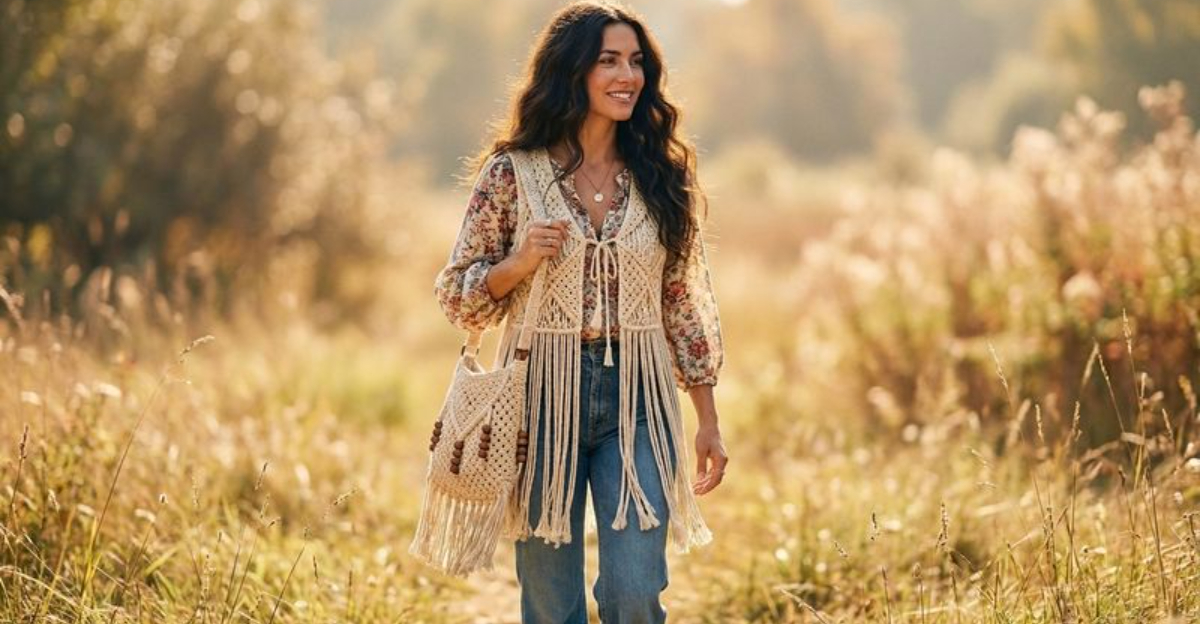
The 1970s were a decade like no other when it came to fashion. Bold colors, wild fabrics, and daring silhouettes ruled the runways and the streets.
People weren’t afraid to stand out, and the looks they created became some of the most iconic—and unforgettable—styles in history. Here’s a look at nine trends that everyone seemed to love back then, and why most of them have faded from everyday wardrobes today.
1. Leisure Suits
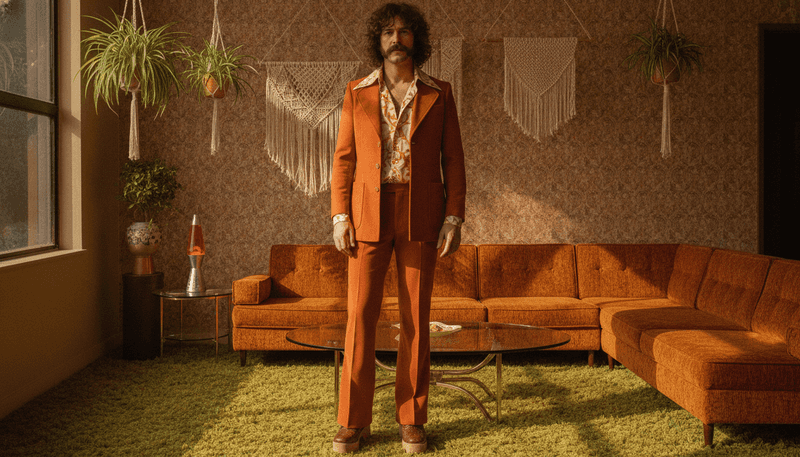
Picture a man strutting into a party wearing a perfectly matched jacket and pants set made entirely of shiny polyester.
That was the leisure suit, and in the 1970s, it was the ultimate symbol of cool.
Men wore these matching sets everywhere—to dinner, to work, even to weddings.
The look came in colors like burnt orange, avocado green, and chocolate brown.
Polyester made the fabric easy to care for, which was a big selling point.
Celebrities and everyday guys alike embraced the style with full confidence.
Today, leisure suits are mostly found in costume shops or retro fashion exhibits.
They represent a bold era when men’s fashion took real risks.
2. Platform Shoes
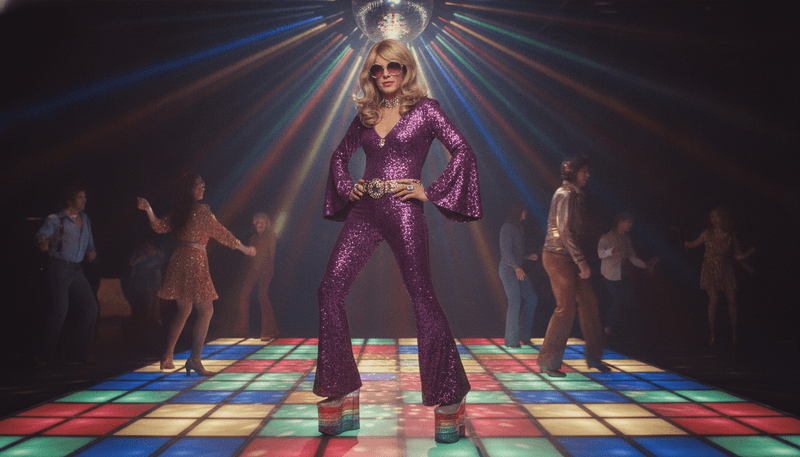
Few shoes in history have made people feel as tall—or as unstoppable—as platform shoes did in the 1970s.
With soles sometimes reaching four or five inches high, these towering shoes were worn by rock stars, disco dancers, and everyday fashion lovers alike.
KISS and David Bowie made platforms part of their signature stage looks, but the trend wasn’t just for performers.
Regular people wore them to school, parties, and shopping malls without thinking twice.
The extreme heights eventually fell out of fashion as styles shifted toward more practical footwear in the 1980s.
Small platform revivals have popped up since, but nothing has matched the sky-high ambition of the original 70s versions.
3. Hot Pants
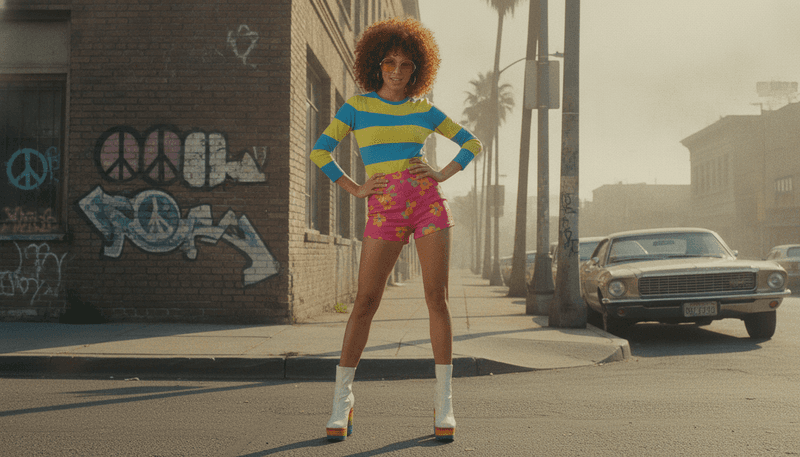
Hot pants arrived on the fashion scene in the early 1970s and caused quite a stir.
These ultra-short shorts were shorter than anything most people had seen in mainstream fashion before, and they quickly became a bold statement for women who wanted to push boundaries.
They weren’t just for the beach or the gym—women wore hot pants to restaurants, clubs, and even offices.
Made in fabrics ranging from denim to velvet, the variety kept the trend fresh and exciting throughout the decade.
By the late 1970s, longer hemlines and different silhouettes pushed hot pants out of the spotlight.
They remain a symbol of the decade’s fearless attitude toward self-expression and personal style.
4. Polyester Everything
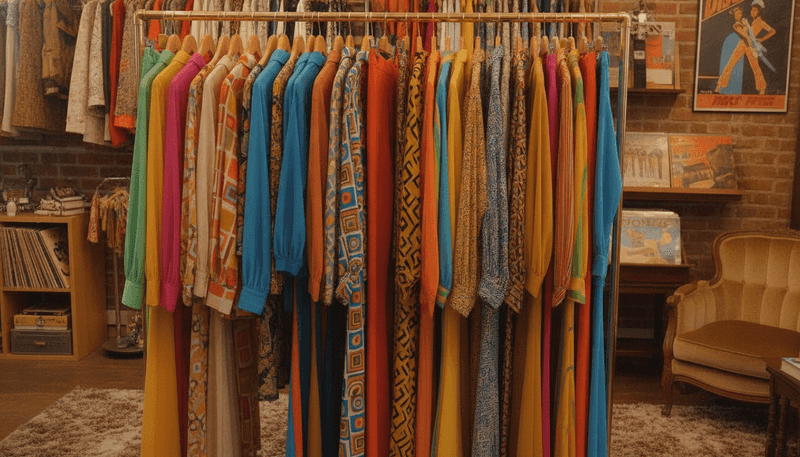
Before cotton and natural fabrics made their big comeback, polyester ruled the 1970s wardrobe with an iron fist.
Shirts, pants, dresses, and even bedsheets were made from this synthetic wonder fabric that promised easy washing and wrinkle-free living.
Manufacturers loved polyester because it was cheap to produce and held color brilliantly.
Shoppers loved it because it dried fast and never needed ironing—a genuine convenience in a busy decade.
The fabric showed up in everything from business wear to casual weekend outfits.
As the 1980s rolled in, people began craving breathable, natural fabrics again.
Polyester earned a bad reputation for trapping heat and feeling stiff, and the fashion world quietly moved on to softer alternatives.
5. Wide-Collar Shirts

You couldn’t miss a wide-collar shirt in the 1970s even if you tried.
The collars on these shirts were massive—sometimes spreading all the way to the shoulders—and they were often made in loud prints, bold stripes, or eye-catching geometric patterns.
Men wore them unbuttoned halfway down the chest, usually paired with a gold chain and flared pants.
The look was unapologetically confident, which perfectly matched the decade’s overall attitude toward fashion.
Even women adopted wide-collar styles in blouses and button-downs.
When the 1980s brought slim, structured silhouettes into style, the enormous collar quickly looked dated.
Today, vintage collectors treasure original wide-collar shirts, but they rarely appear in everyday modern outfits.
6. Patchwork Denim
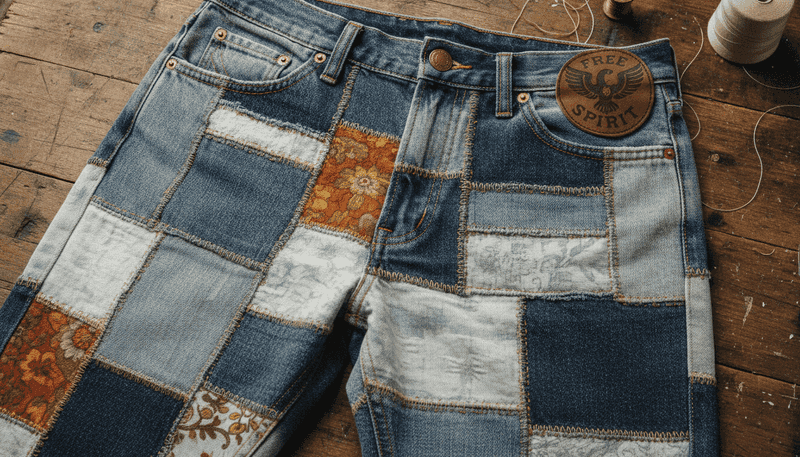
Patchwork denim was part craft project, part fashion statement, and entirely 1970s.
Jeans were stitched together from mismatched fabric pieces—different shades of denim, floral prints, corduroy, and even leather—creating a look that was truly one of a kind.
The trend grew out of the counterculture movement, where individuality and handmade aesthetics were celebrated over mass-produced clothing.
Young people would buy old jeans and sew extra patches onto them to extend their life and add personality.
It was sustainable before sustainability was even a buzzword.
Modern fashion occasionally revisits patchwork denim in designer collections, but the original DIY spirit of the 70s version is hard to recreate.
Back then, the imperfections were the whole point.
7. Tube Tops
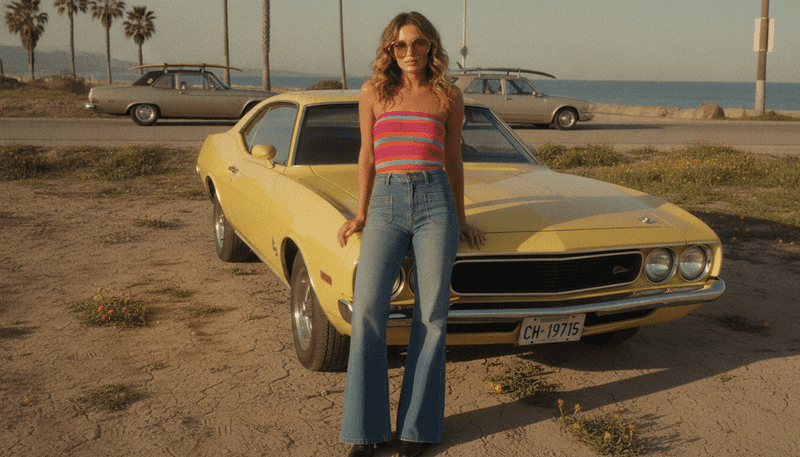
Summers in the 1970s practically belonged to the tube top.
Strapless, stretchy, and form-fitting, this simple piece of clothing became one of the decade’s most recognizable warm-weather staples.
It required no sewing skills to make—just a strip of fabric with enough elastic to stay in place.
Women wore tube tops to concerts, the beach, amusement parks, and backyard barbecues.
They came in every color and pattern imaginable, making them easy to mix and match with anything in the closet.
The simplicity was a huge part of the appeal.
While tube tops have made occasional comebacks over the years, they never quite recaptured their original 70s dominance.
Fashion became more structured and layered, leaving the bare-shoulder look behind.
8. Macramé Clothing and Accessories
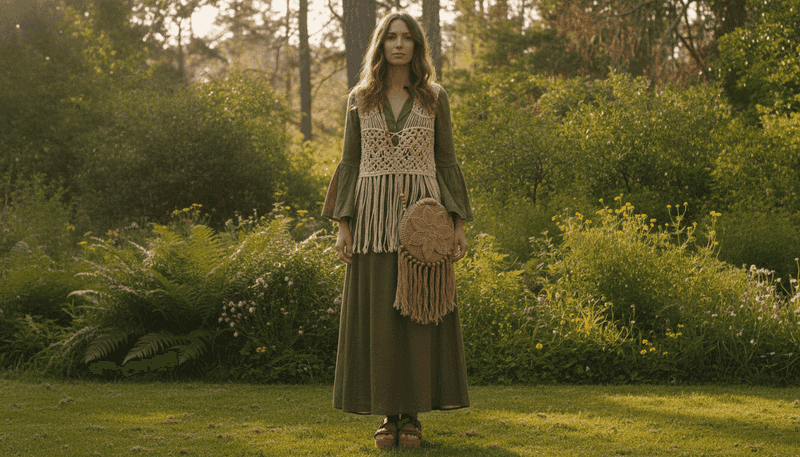
Macramé started as a craft hobby and somehow ended up on people’s bodies—and that’s what made the 1970s so wonderfully strange.
Handmade knotted designs appeared on vests, bags, belts, hats, and even swimsuit cover-ups, giving fashion a distinctly handcrafted, bohemian feel.
The skill required to create macramé pieces made each item feel special and personal.
Craft fairs and boutique shops sold macramé accessories alongside homemade candles and pottery, all feeding the decade’s love of artisanal goods.
It was a fashion statement that doubled as a work of art.
Mass production eventually made handmade aesthetics feel less desirable in mainstream fashion.
Macramé retreated to home decor—think wall hangings—where it quietly survived until a recent DIY revival brought it back into limited style circles.
9. Jumpsuits for Everyday Wear
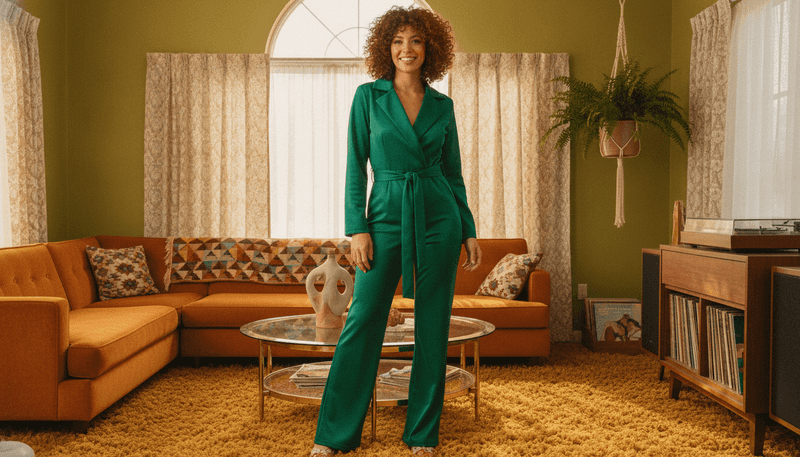
Long before jumpsuits became a red-carpet-only item, the 1970s made them a legitimate everyday outfit choice.
One piece, one decision, zero stress—that was the jumpsuit’s promise, and millions of people bought into it completely.
Both men and women wore jumpsuits to work, social events, and casual outings throughout the decade.
They came in polyester, denim, and cotton, often featuring wide lapels, cinched waists, and flared legs that matched the overall silhouette of the era.
Some were dressy; others were totally casual.
The jumpsuit’s popularity faded as fashion moved toward separates that offered more mix-and-match flexibility.
Modern versions exist, but the original 70s jumpsuit—bold, breezy, and completely effortless—carried a confidence that today’s styles rarely match.