 MomSkoop

Fashion should feel natural, like an extension of who you are rather than a costume you wear to impress others. Unfortunately, some style choices cross the line from confident self-expression into territory that feels painfully manufactured.
When your outfit requires more effort to pull off than it does to simply exist in, something has gone wrong, and trust us, people can tell the difference between genuine style and trying way too hard.
1. Designer Logos From Head to Toe
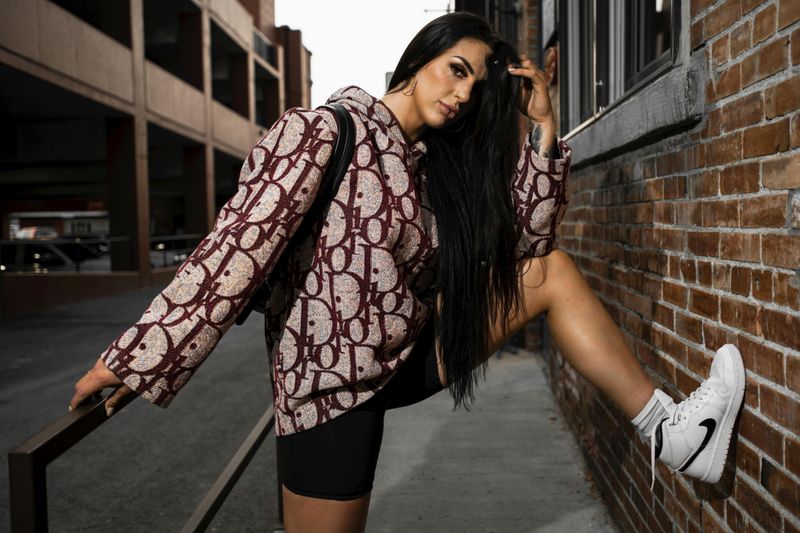
Walking around looking like a designer billboard doesn’t make you stylish; it makes you look insecure about your taste.
Real fashion confidence comes from knowing how to mix pieces thoughtfully, not from plastering every luxury brand name across your body.
When someone can identify your entire outfit’s price tag from fifty feet away, you’ve missed the point of personal style.
Subtle luxury exists for a reason.
The most stylish people know that one carefully chosen designer piece paired with simpler items creates a more sophisticated look than wearing everything at once.
Your clothes should complement you, not announce how much money you spent.
Quality speaks louder than logos ever will.
2. Manufactured Distressed Clothing
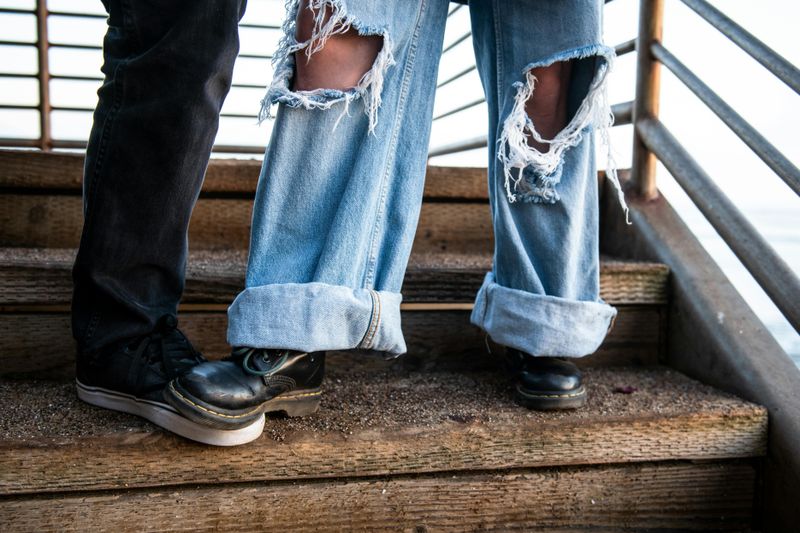
Buying jeans that come pre-destroyed from the factory defeats the entire purpose of worn-in clothing.
Authentic distressing happens naturally through years of wear, telling the story of where you’ve been and what you’ve done.
Factory-made rips positioned in identical spots on every pair lack soul and authenticity.
The appeal of vintage or worn clothing lies in its genuine history.
When you purchase something intentionally made to look old, you’re essentially wearing a lie.
Your brand-new shirt with artificial stains and holes fools nobody.
True style develops organically over time.
If you want distressed clothing, earn it through actual experiences rather than buying someone else’s manufactured version of authenticity.
3. Statement Accessory Overload
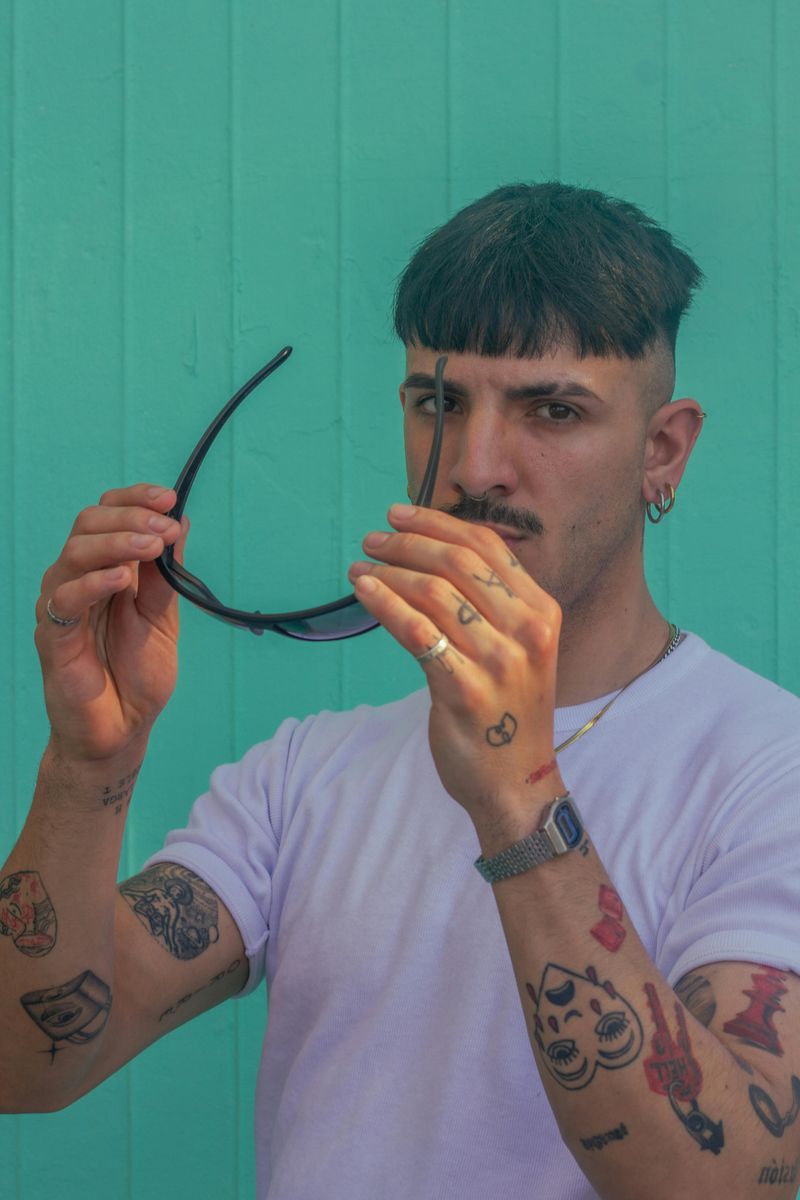
Accessories should accent your outfit, not compete with it for attention.
Piling on every bold piece you own creates visual chaos rather than style.
Your jewelry, bags, and extras need breathing room to make their individual statements effectively.
Consider the rule of three: choose a maximum of three focal points for any outfit.
Maybe that’s statement earrings, a bold bag, and unique shoes, but definitely not those plus chunky necklaces, stacked bracelets, and oversized sunglasses.
Less truly becomes more when each piece gets space to shine.
Fashion isn’t about showing everything you own in one outfit.
Restraint demonstrates far more sophistication than excess ever could, allowing your best pieces to actually stand out.
4. Uncomfortable Shoes for Appearances
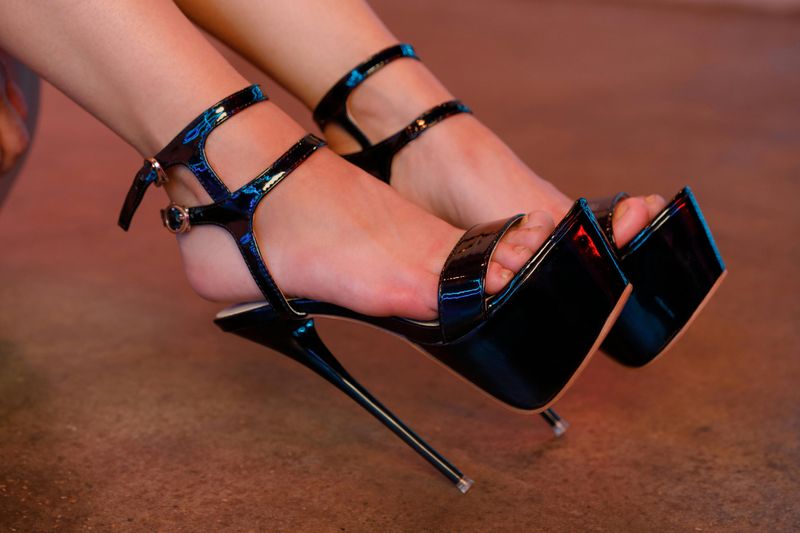
Hobbling around in shoes that cause visible pain just to look fashionable broadcasts insecurity louder than any outfit could.
Style loses all meaning when you can’t walk properly, stand comfortably, or enjoy your day.
Fashion should enhance your life, not make basic movement a painful challenge.
Confidence comes from feeling good, and nobody feels confident while wincing with every step.
There are countless stylish shoe options that don’t require sacrificing your comfort or foot health.
The most put-together people know that practicality and fashion can coexist beautifully.
Your footwear choices reveal your priorities.
Choosing image over basic comfort suggests you care more about others’ opinions than your own wellbeing, which ironically makes you look less confident overall.
5. Chasing Every Micro-Trend Simultaneously
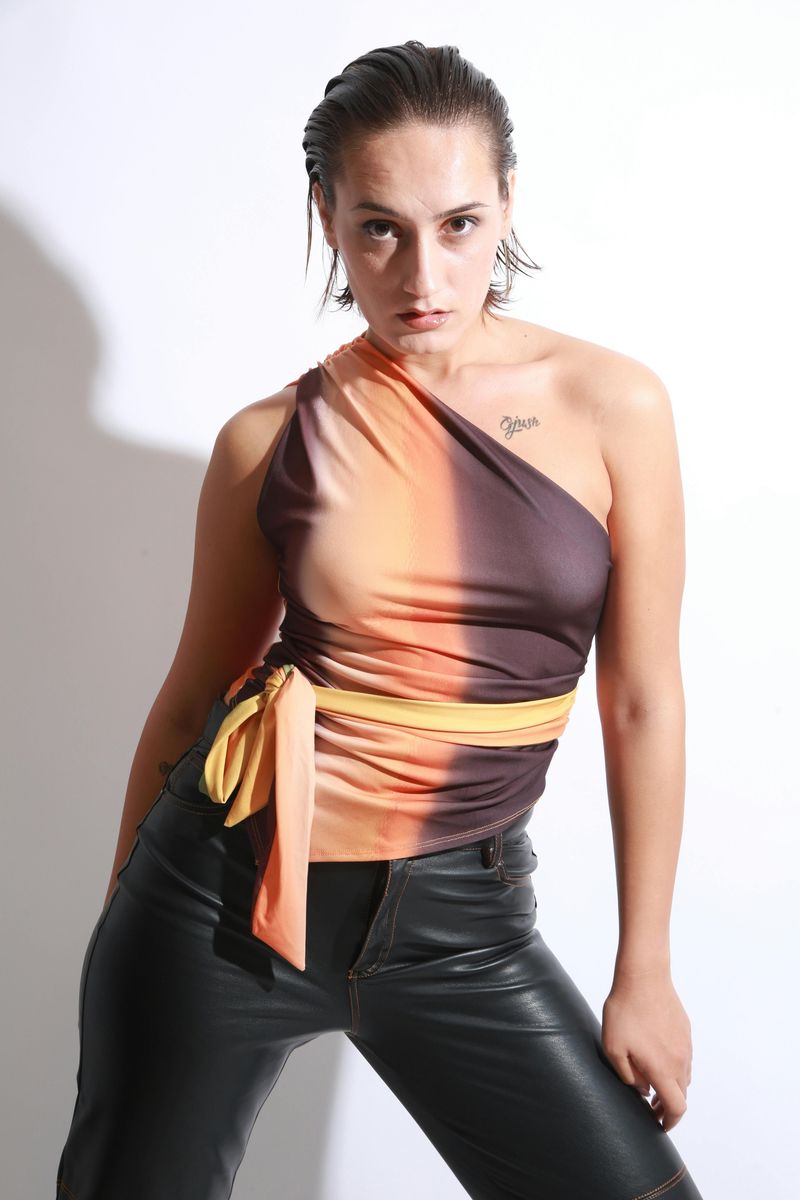
Attempting to wear every current trend at the same time creates a confused, chaotic look rather than a fashionable one.
Trends work best when selectively incorporated into your existing style, not thrown together in a desperate attempt to seem current.
Your outfit shouldn’t look like a Pinterest board exploded on your body.
Style has staying power; trends are temporary by definition.
Constantly chasing the latest micro-trends prevents you from developing a genuine personal aesthetic.
You end up looking like you’re trying too hard to fit in rather than standing out authentically.
Pick one or two trend elements maximum per outfit, then ground them with timeless pieces.
This approach lets you experiment while maintaining coherence and developing lasting style instincts.
6. Overly Styled Casual Settings
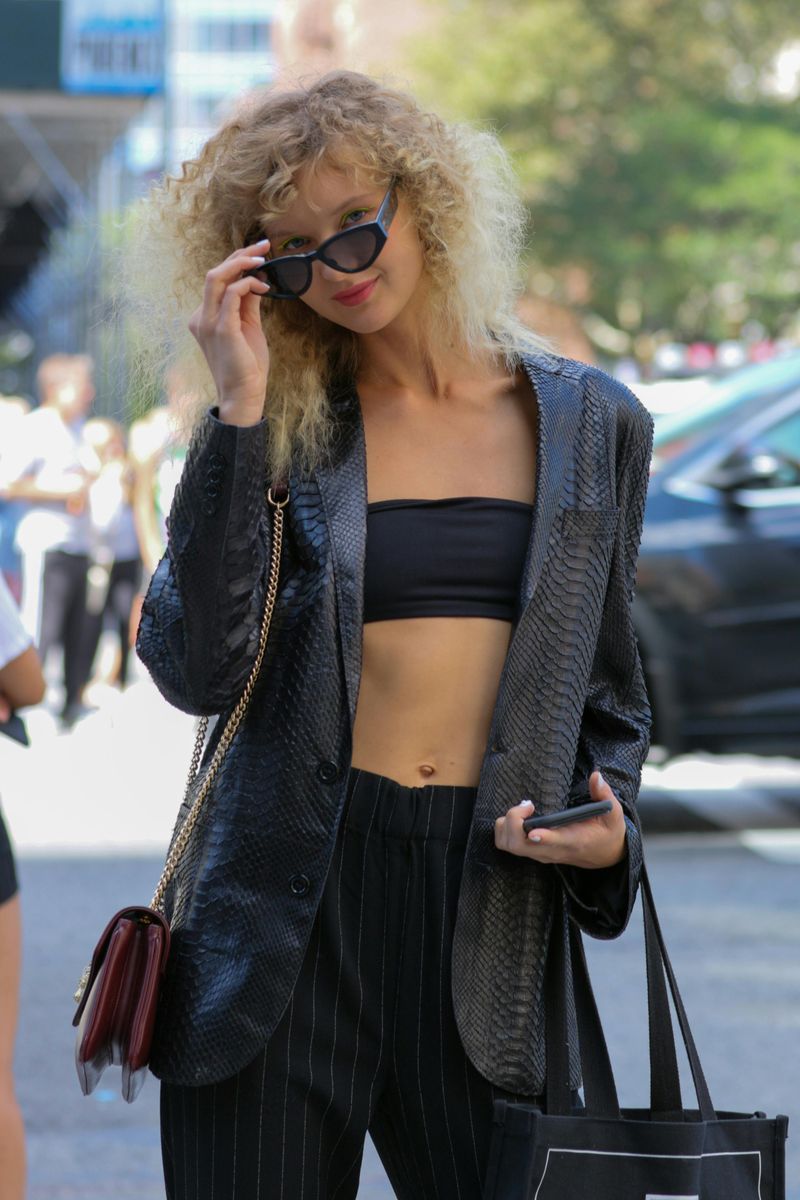
Showing up to grab coffee looking like you’re attending a fashion gala makes everyone uncomfortable, including you.
Context matters tremendously in fashion, and ignoring appropriate dress codes for different settings screams desperate for attention.
Matching your outfit’s formality to the occasion demonstrates social awareness and genuine style sense.
Being overdressed isn’t the compliment some people think it is.
Reading the room and dressing appropriately shows confidence and consideration.
Nobody needs full evening makeup and designer cocktail attire for running weekend errands.
Real style means knowing when to dress up and when to dress down.
Constantly operating at maximum effort regardless of setting suggests you don’t understand fashion’s fundamental purpose: enhancing experiences, not overwhelming them.
7. Excessive Non-Functional Layering
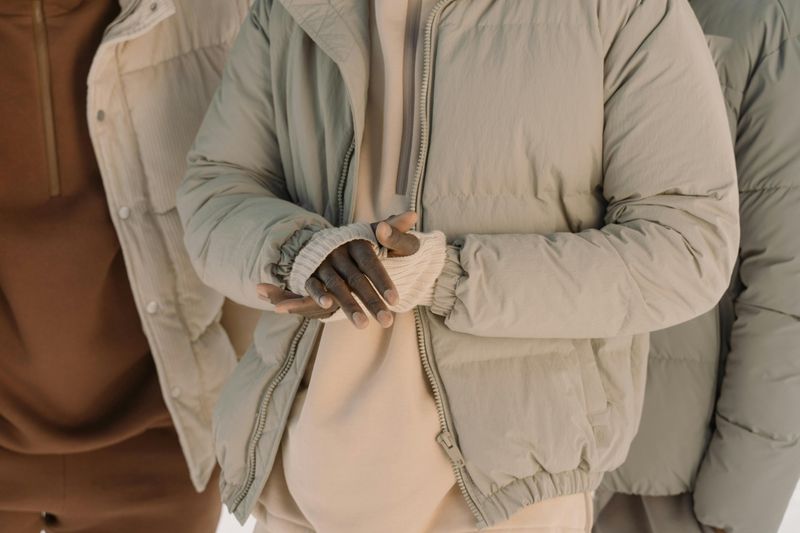
Layering seven pieces of clothing in seventy-degree weather doesn’t make you look artistic; it makes you look confused.
Functional layering serves purposes like warmth, versatility, or transitioning between temperature-controlled spaces.
Piling on layers purely for aesthetic complexity often backfires spectacularly.
Effective layering creates visual interest while maintaining wearability and comfort.
When your layers restrict movement, cause overheating, or require constant adjustment, you’ve gone too far.
Fashion shouldn’t make you physically uncomfortable or limit your ability to function normally.
Master the art of purposeful layering instead.
Choose pieces that actually work together and serve a reason beyond just adding more stuff to your outfit.
Quality layering looks effortless, not labored.
8. Situational Brand Flexing
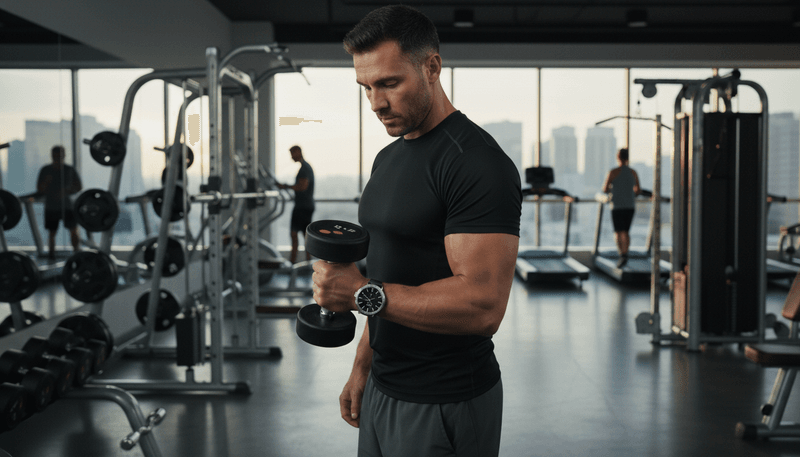
Wearing your most expensive designer pieces to the gym or beach accomplishes nothing except advertising your insecurity.
Context-appropriate dressing shows you understand fashion’s nuances rather than just its price tags.
Luxury items deserve settings where they make sense, not situations where they look ridiculous.
Brand flexing works only when subtle and situationally appropriate.
Showing up to casual hangouts dripping in obvious luxury branding makes everyone uncomfortable and positions you as someone who values labels over genuine connection.
Your friends already know you can afford nice things; you don’t need to remind them constantly.
Save your statement pieces for occasions that warrant them.
Everyday situations call for everyday clothing, regardless of your budget.
9. Intentionally Ugly Fashion-Forward Pieces
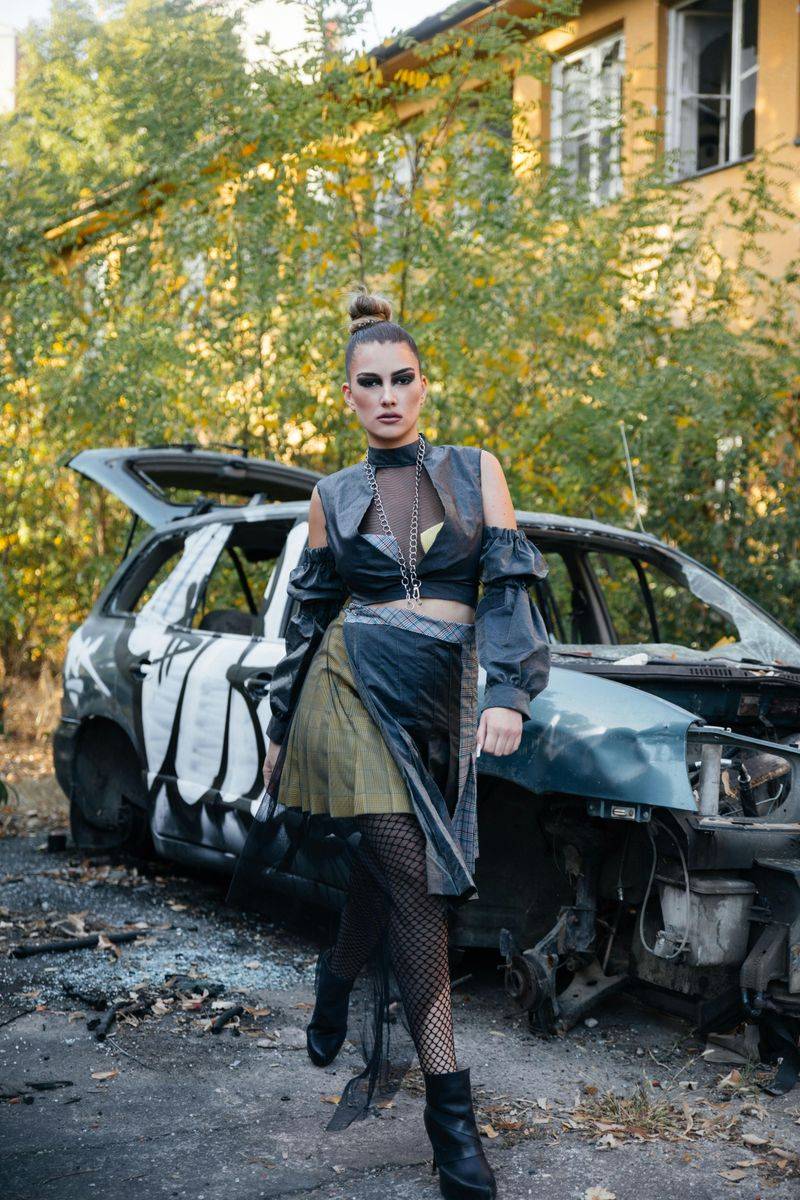
Wearing objectively ugly clothing just to seem edgy or fashion-forward often backfires completely.
Avant-garde fashion requires understanding and context to work properly; randomly incorporating bizarre pieces into normal outfits just looks like you got dressed in the dark.
There’s a difference between pushing boundaries and simply wearing ugly things for shock value.
Genuinely innovative fashion challenges conventions while maintaining some aesthetic coherence.
Just because something appears on a runway doesn’t mean it translates to real life, and forcing experimental pieces into everyday wear usually reads as trying too hard rather than being genuinely bold.
Develop your own aesthetic instead of adopting someone else’s idea of cutting-edge.
Personal style means choosing pieces you genuinely love, not things you wear purely for others’ reactions.
10. Overstyled Hair for Simple Occasions

Sporting a hairstyle that clearly took three hours to create for a casual brunch sends mixed messages about your priorities.
Hair should complement your overall look and match the occasion’s formality level.
When your hair outshines everything else and looks completely out of place, something went wrong in your getting-ready process.
Effortless style includes effortless-looking hair, even if it takes some work to achieve.
The goal is appearing put-together without looking like you spent your entire morning in front of a mirror.
Overly elaborate hairstyles for everyday situations suggest you’re performing rather than living.
Match your hair effort to your outfit and occasion.
Save the dramatic styles for events that warrant them, and embrace simpler looks for regular days.
11. Hype Pieces Without Understanding Context
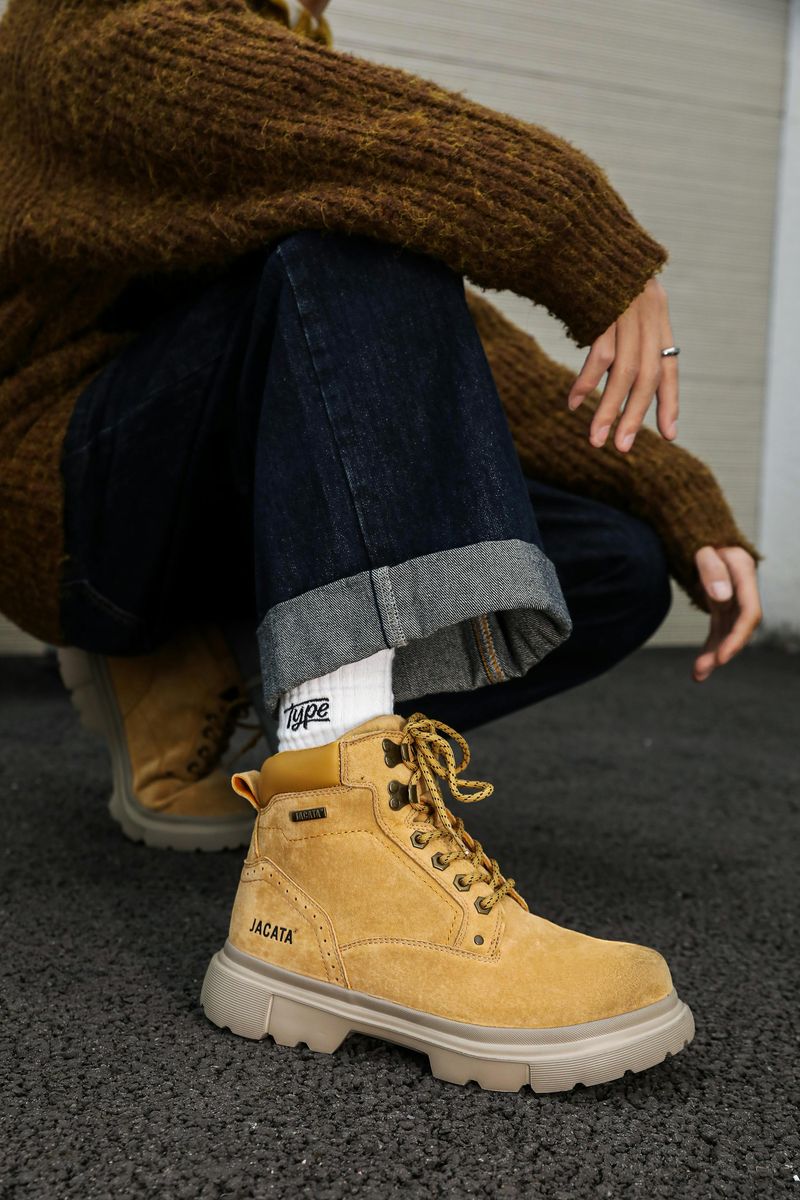
Owning the latest hyped sneakers means nothing if you can’t style them properly with the rest of your outfit.
Hype pieces work within specific aesthetic contexts, and throwing them into random outfits without understanding those contexts makes you look clueless rather than cool.
Streetwear culture has rules and visual language that require learning, not just buying.
Anyone can purchase trending items, but integrating them meaningfully into your wardrobe takes actual style knowledge.
When your hyped piece clashes with everything else you’re wearing, you’ve essentially wasted your money and missed the point entirely.
Research and understand the culture behind hype pieces before incorporating them.
Style isn’t about ownership; it’s about thoughtful curation and presentation.
12. Copy-Paste Influencer Outfits
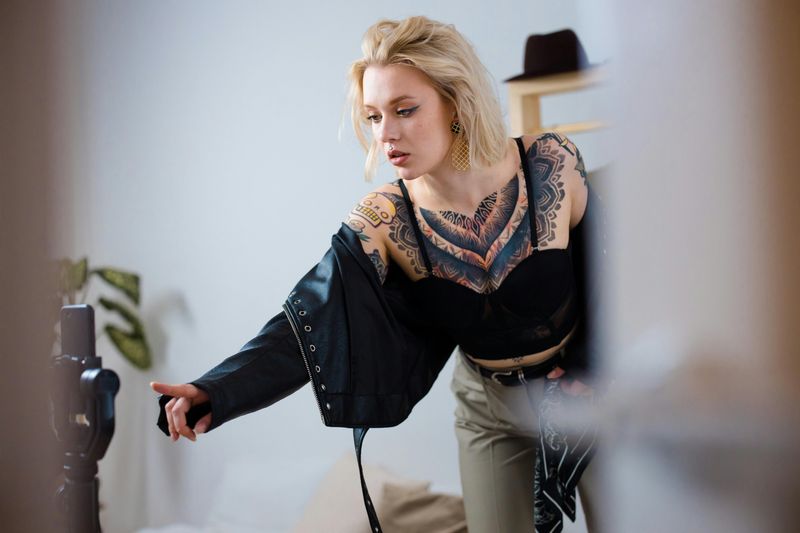
Replicating influencer outfits piece-for-piece without adding your own spin demonstrates a complete lack of personal style.
Influencers curate looks for their specific bodies, personalities, and contexts; what works for them won’t automatically work for you.
Fashion inspiration should spark creativity, not create carbon copies.
Your body type, coloring, lifestyle, and personality differ from any influencer’s, meaning their exact outfit likely won’t flatter you the same way.
Taking elements from looks you admire and adapting them to suit yourself shows actual style understanding.
Blind copying just broadcasts that you can’t think for yourself.
Use inspiration as a starting point, not a blueprint.
Develop your own aesthetic by experimenting with influences rather than imitating them exactly.
13. Every Outfit as a Photoshoot
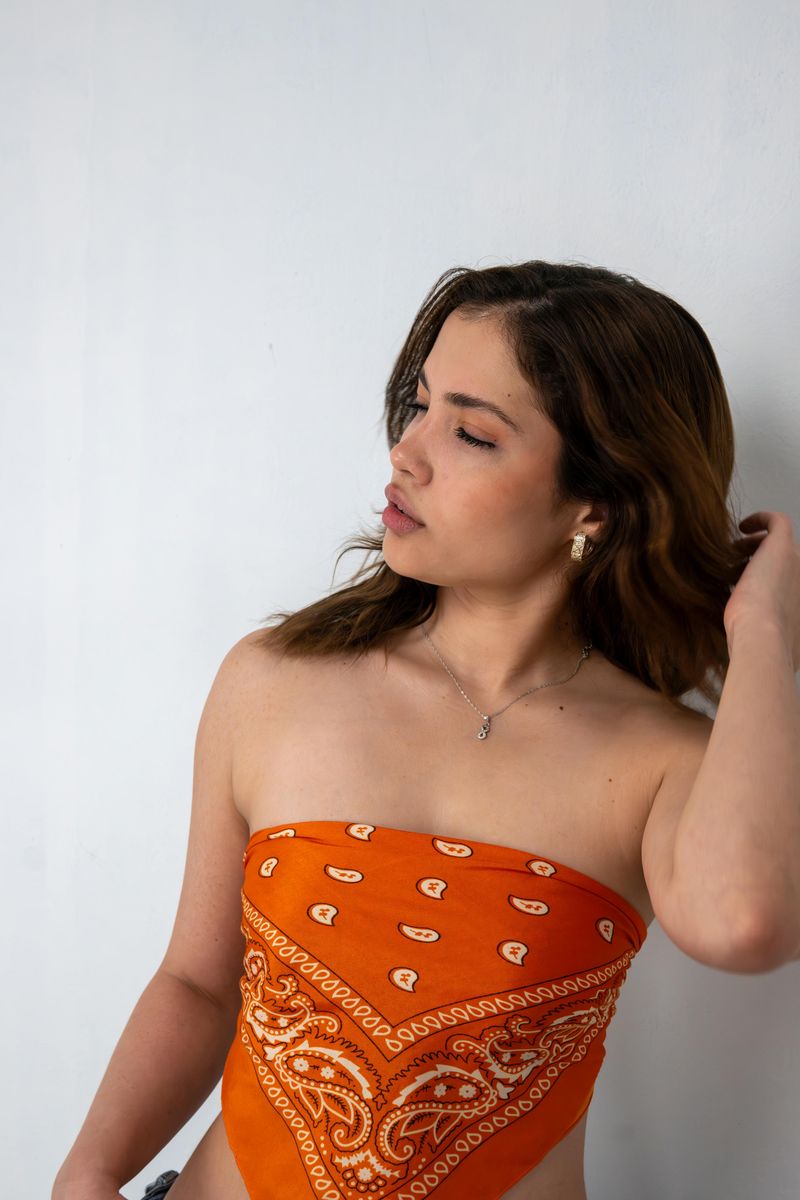
Treating every single outing like a professional photoshoot reveals priorities that prioritize appearance over experience.
Life isn’t Instagram, and constantly dressing for maximum photo impact rather than actual comfort and appropriateness gets exhausting for everyone involved.
Sometimes you need to just exist without performing.
The most memorable experiences rarely happen when you’re worried about maintaining a perfect outfit.
When your clothing choices prevent you from fully participating in activities or require constant adjustment and checking, you’re missing the point of getting dressed.
Fashion should enable your life, not restrict it.
Balance is essential.
Save the photo-ready outfits for special occasions and embrace comfortable, appropriate clothing for everyday life.
Authenticity always photographs better than forced perfection anyway.