 MomSkoop
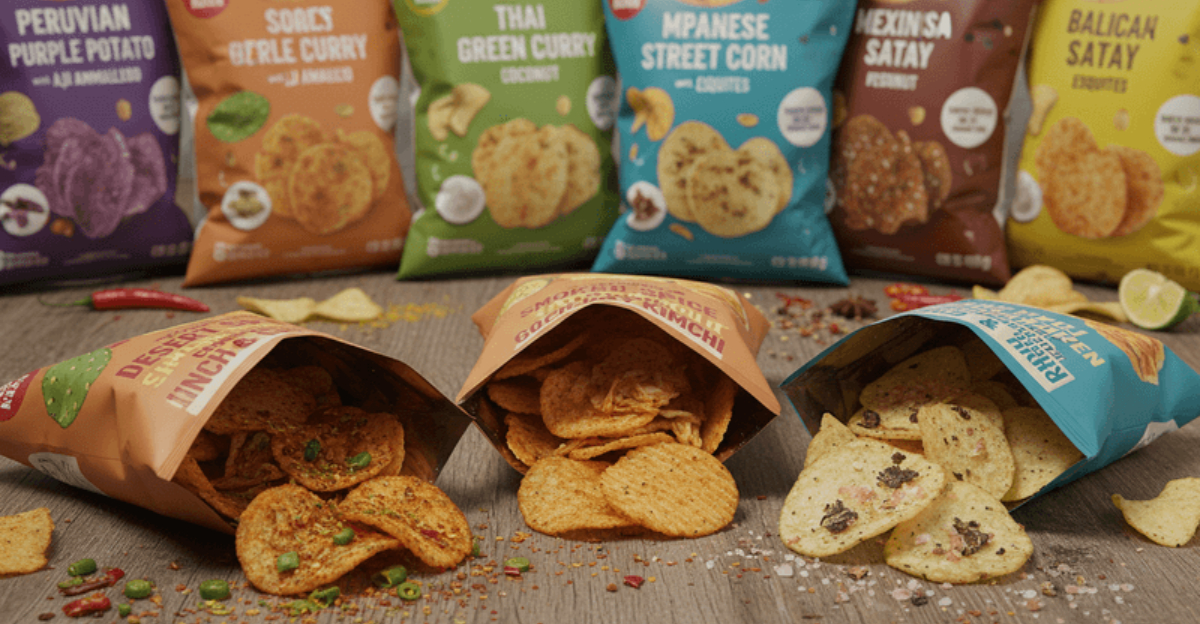
You grab them without a second thought, tossing them into your shopping cart or snagging them from the vending machine during your afternoon slump.
Many snacks marketed as convenient or even healthy are packed with ingredients that nutrition experts warn against.
From artificial colors to excessive sodium and sneaky added sugars, these seemingly innocent treats can sabotage your health goals faster than you realize.
1. Artificially Flavored Microwave Popcorn with Butter Substitutes

That buttery aroma wafting from your microwave might smell amazing, but what’s creating that scent isn’t real butter at all.
Most microwave popcorn brands use synthetic flavoring chemicals like diacetyl, which has been linked to serious respiratory problems in factory workers.
The fake butter coating adds unnecessary calories without any nutritional benefit.
Many varieties also contain partially hydrogenated oils, which are sources of trans fats that raise bad cholesterol levels.
The sodium content can skyrocket to over 300 milligrams per serving, and most people eat the entire bag.
Plain air-popped kernels with a drizzle of real butter or olive oil make a much healthier alternative that still satisfies your crunchy cravings.
2. Neon-Colored Cheese Puffs Made with Synthetic Dyes
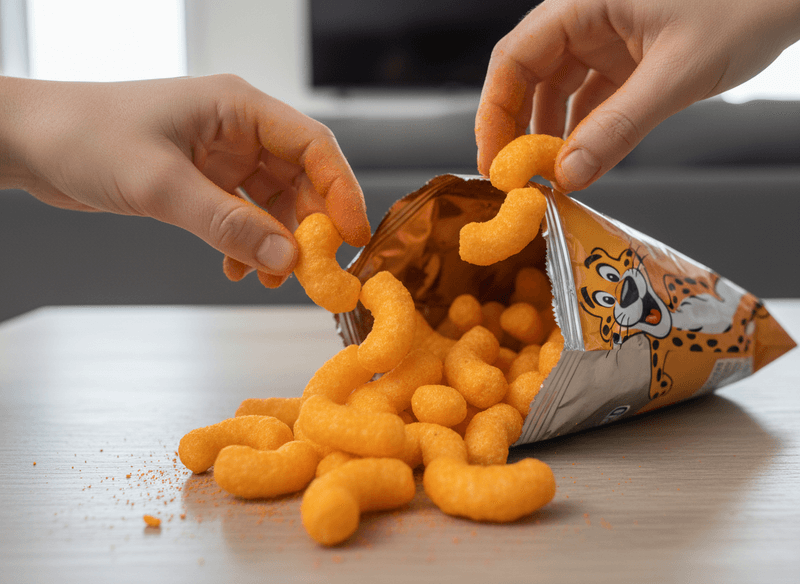
If your snack leaves fluorescent orange residue on your fingertips, that’s your first warning sign.
These puffy treats get their eye-catching color from synthetic dyes like Yellow 5 and Yellow 6, which some studies suggest may contribute to hyperactivity in sensitive children.
The cheese flavoring rarely contains actual cheese, relying instead on chemical compounds designed to mimic dairy taste.
A single serving packs around 150 calories with almost no nutritional value beyond empty carbs and unhealthy fats.
The sodium levels often exceed 250 milligrams per ounce, contributing to bloating and increased blood pressure.
Real cheese with whole grain crackers provides protein and calcium your body actually needs.
3. Gas Station Nachos with Processed Cheese Sauce
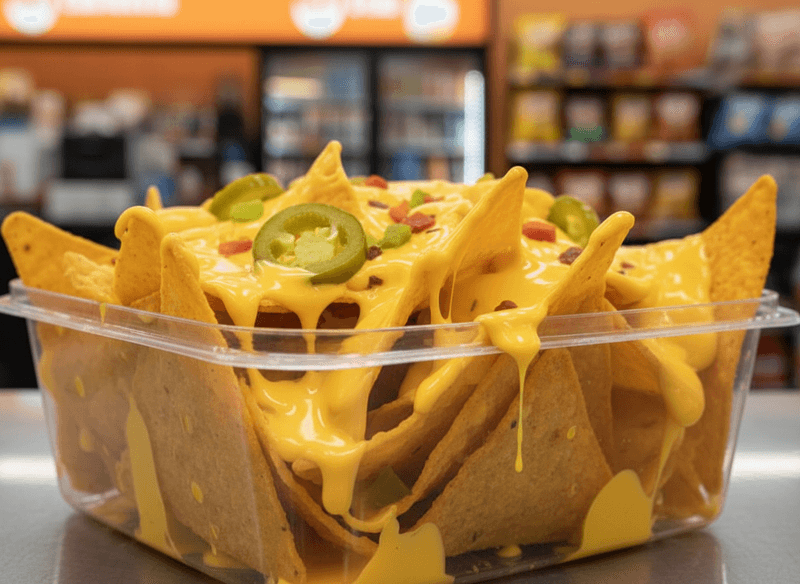
Those chips swimming in luminous yellow goo might hit the spot during a road trip, but they’re a nutritional disaster.
The cheese sauce typically contains more oil, emulsifiers, and artificial coloring than actual dairy products.
One serving can deliver over 600 calories and nearly an entire day’s worth of sodium in a single sitting.
The chips themselves are usually fried in low-quality oils and have been sitting under heat lamps for hours, breaking down any remaining nutrients.
Preservatives keep the cheese sauce shelf-stable for extended periods, which should raise immediate red flags.
The combination of refined carbs, unhealthy fats, and excessive salt creates the perfect storm for weight gain and cardiovascular stress.
4. Frosted Toaster Pastries Loaded with High-Fructose Corn Syrup
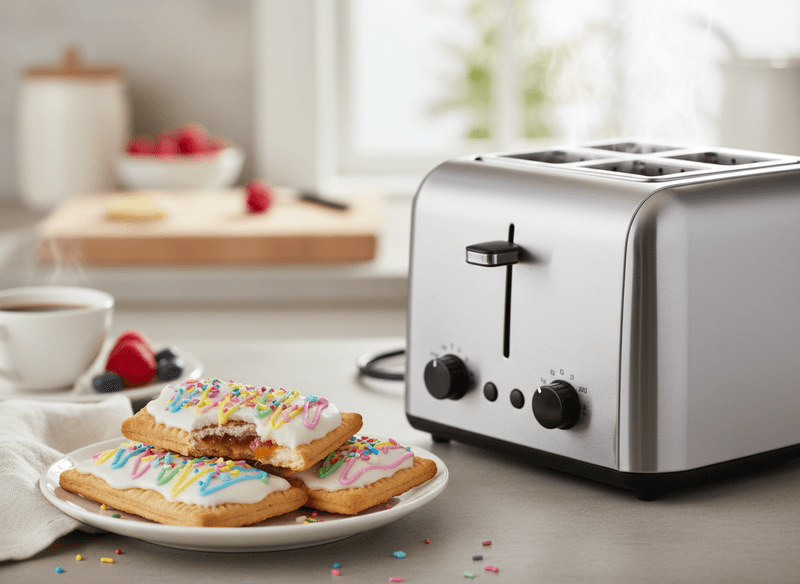
Marketed as a quick breakfast solution, these sweet rectangles are essentially cookies disguised as morning nutrition.
High-fructose corn syrup appears multiple times in the ingredient list, contributing to the 15-20 grams of sugar packed into each pastry.
The refined white flour provides a blood sugar spike followed by a crash that leaves you hungrier than before.
Despite fortification with synthetic vitamins, these pastries lack fiber, protein, and healthy fats needed for sustained energy.
The frosting contains partially hydrogenated oils and artificial colors that offer zero nutritional benefit.
Kids who start their day with these sugar bombs often struggle with concentration and energy levels by mid-morning, making whole grain toast with nut butter a far superior choice.
5. Deep-Fried Pork Rinds with Added MSG and Flavor Dust
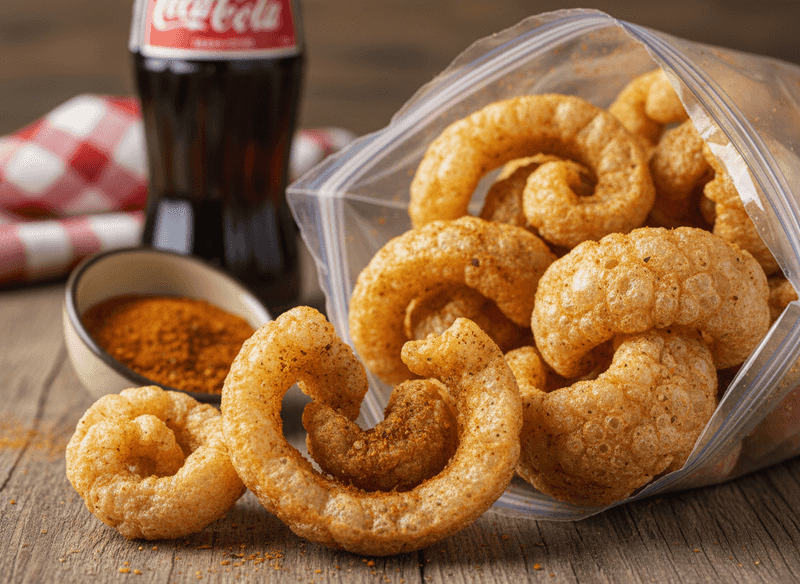
Crispy and addictive, pork rinds might be low-carb, but they come with their own set of problems.
Many brands enhance flavor with monosodium glutamate, which can trigger headaches and other sensitivities in some people.
The deep-frying process creates advanced glycation end products that contribute to inflammation and cellular aging.
While technically high in protein, the quality is poor compared to lean meats or plant-based proteins.
A single ounce can contain over 500 milligrams of sodium, and the seasoning blends often include artificial flavors and preservatives.
The saturated fat content rivals that of potato chips, making them equally problematic for heart health despite the absence of carbohydrates in the nutritional profile.
6. Sugary Breakfast Cereal Bars Disguised as Healthy Snacks
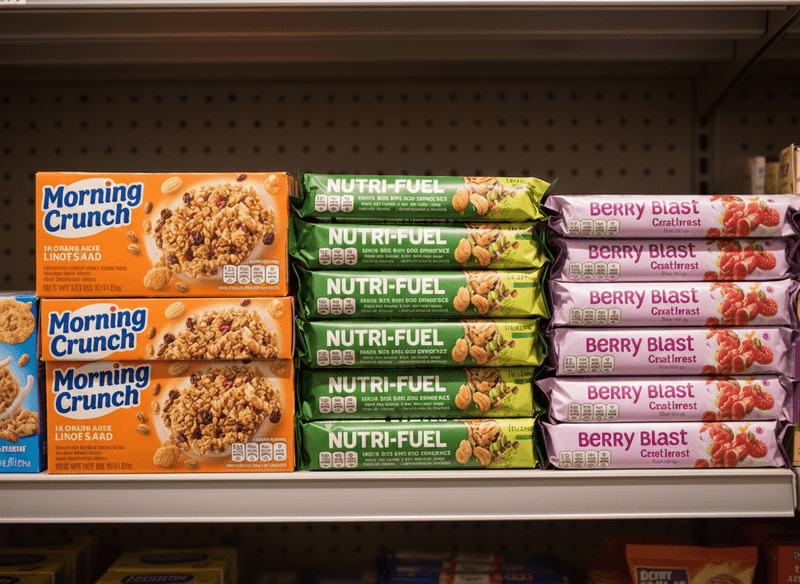
Don’t be fooled by words like “wholesome” or “natural” splashed across the packaging.
Most cereal bars contain more sugar than a chocolate chip cookie, with some varieties packing 12-15 grams per bar.
The first ingredient is often a form of sugar, whether it’s corn syrup, brown rice syrup, or evaporated cane juice.
The small amount of whole grains included doesn’t offset the processed nature of these products.
Manufacturers add just enough fiber to make health claims while loading up on cheap sweeteners and preservatives.
The bars digest quickly, leaving you hungry again within an hour.
A banana with almond butter provides better nutrition, more satisfaction, and sustained energy without the sugar crash that inevitably follows these misleading breakfast options.
7. Packaged Snack Cakes with Long Shelf Lives and Hydrogenated Oils
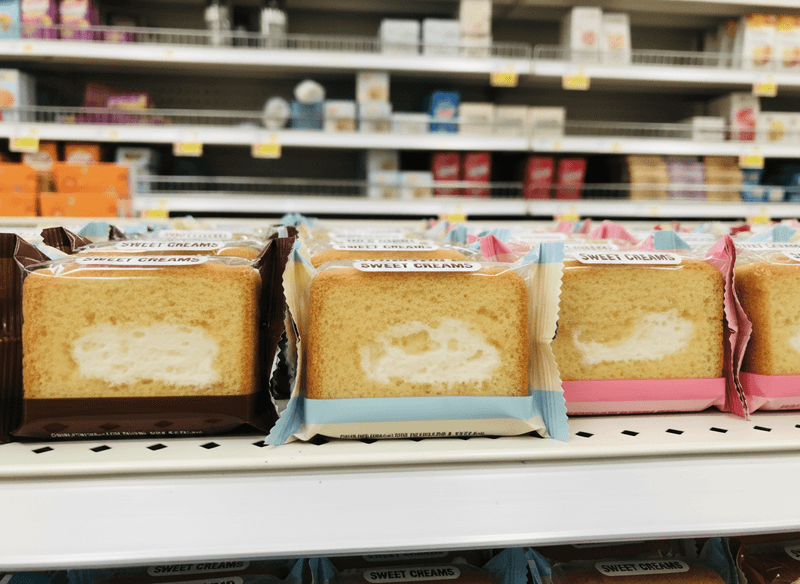
When a baked good can survive months on a shelf without refrigeration, you should question what’s keeping it preserved.
These cream-filled treats rely on partially hydrogenated oils, which contain trans fats linked to increased heart disease risk.
The ingredient list reads like a chemistry experiment, with over 30 components including multiple forms of sugar and artificial flavors.
Each cake delivers around 300 calories with virtually no nutritional value beyond quick energy from refined flour and sugar.
The cream filling contains more chemicals than dairy, and the chocolate coating is made from cocoa processed to remove most beneficial compounds.
Kids love them, but regular consumption contributes to poor eating habits and increases the risk of obesity and metabolic issues later in life.
8. Candy-Coated Chocolate Pieces with Artificial Coloring
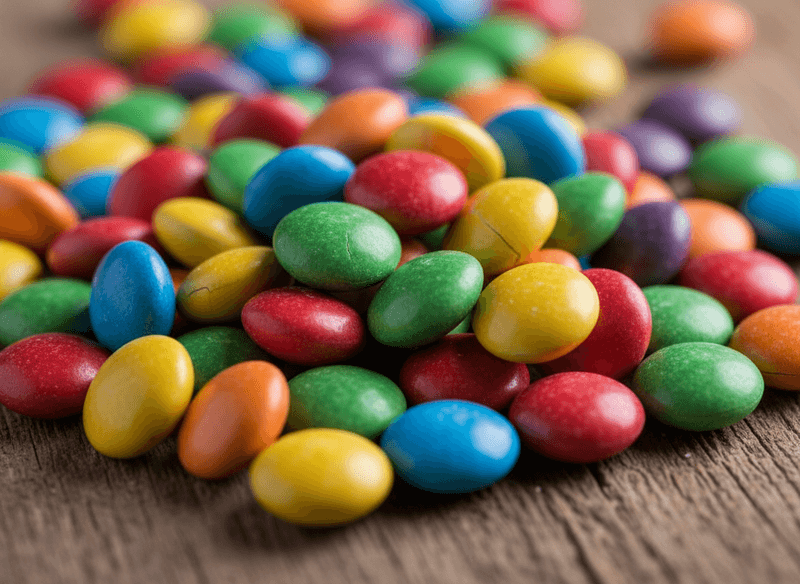
Those vibrant shells might look fun, but they’re created with synthetic dyes that serve no purpose beyond visual appeal.
Red 40, Blue 1, and Yellow 5 have all faced scrutiny for potential links to behavioral issues in children.
The candy coating is pure sugar, and the chocolate inside contains minimal cocoa solids with added milk fat and emulsifiers.
A small handful delivers 150 calories and 20 grams of sugar with essentially zero nutritional benefit.
The hard shell makes them easy to mindlessly pop into your mouth, leading to overconsumption before you realize it.
While an occasional treat won’t derail your health, regular snacking on these colorful candies contributes to tooth decay, weight gain, and blood sugar instability that affects mood and energy throughout the day.
9. Extra-Large Movie Theater Butter Popcorn

That enormous bucket seems like a good deal, but you’re essentially paying for a container full of calories and questionable ingredients.
Movie theater popcorn is typically popped in coconut oil and drenched with butter-flavored topping that contains no actual butter.
A large serving can exceed 1,200 calories and contain over 1,500 milligrams of sodium before you even add extra butter.
The fake butter topping includes artificial flavors, colors, and preservatives designed to withstand heat lamps for hours.
Most people consume the entire bucket mindlessly while watching their film, taking in more calories than a full meal.
The refined carbohydrates and unhealthy fats provide no satiety, leaving you hungry again shortly after the movie ends despite the massive calorie intake.
10. Sweetened Applesauce Cups with Added Sugars
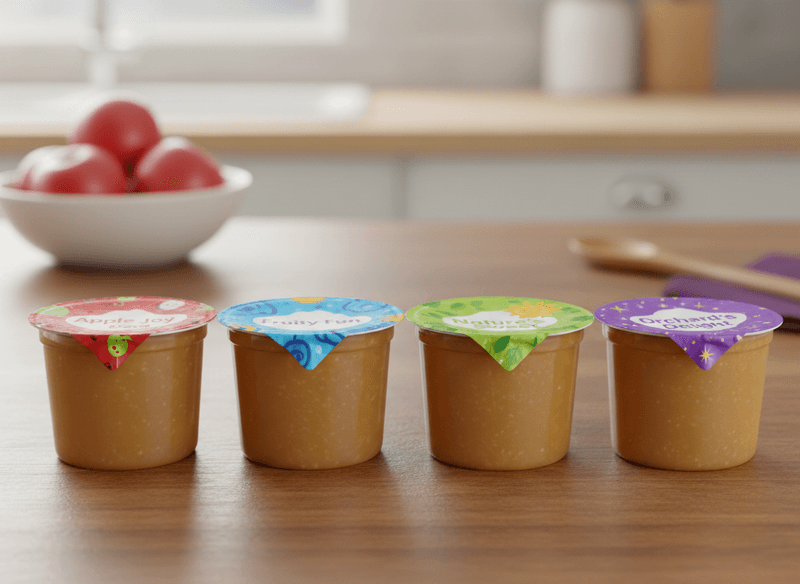
Applesauce sounds wholesome, but many commercial varieties transform healthy fruit into a sugar delivery system.
Manufacturers add high-fructose corn syrup or other sweeteners to already naturally sweet apples, sometimes doubling the sugar content.
A single cup can contain 20-25 grams of sugar, comparable to a candy bar.
The processing removes much of the fiber found in whole apples, eliminating the component that helps regulate blood sugar absorption.
Some varieties also include artificial colors to make the sauce appear more vibrant and appealing to children.
The convenient packaging encourages overconsumption, with kids often eating multiple cups in one sitting.
Unsweetened applesauce or simply eating a fresh apple provides all the nutrition without the added sugars that contribute to cavities and metabolic problems over time.
11. Flavored Potato Chips with Excessive Sodium and Additives
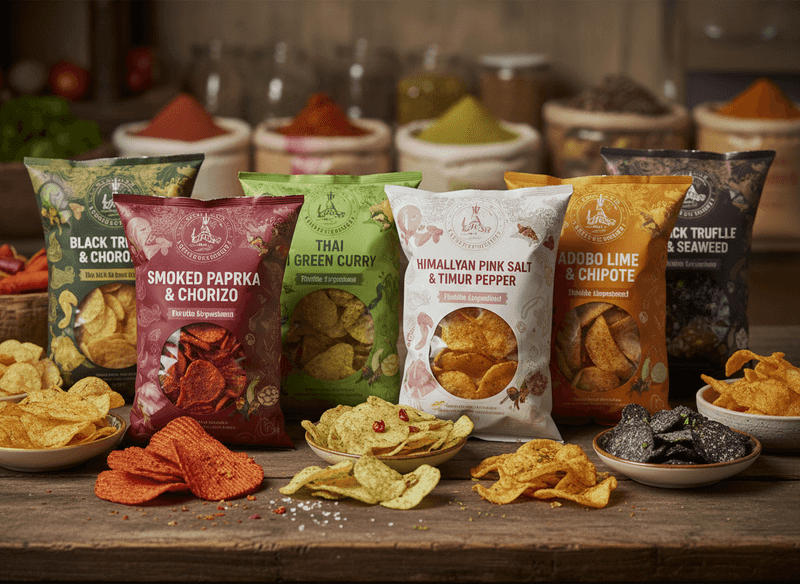
While plain potato chips aren’t exactly health food, the flavored varieties take things to another level entirely.
Sour cream and onion, barbecue, and ranch flavors require extensive flavor enhancers, artificial colors, and preservatives to achieve their taste.
A single serving often contains 200 milligrams of sodium or more, and most people eat several servings in one sitting.
The seasoning blends frequently include MSG, artificial butter flavor, and multiple forms of sugar to balance the salt.
The chips themselves are fried in inflammatory vegetable oils that oxidize during the cooking process.
Regular consumption contributes to high blood pressure, bloating, and increased cravings for salty foods.
Baked vegetable chips or air-fried potato slices with herbs offer crunch without the excessive sodium and questionable additives.
12. Shelf-Stable Mini Donuts Made with Refined White Flour
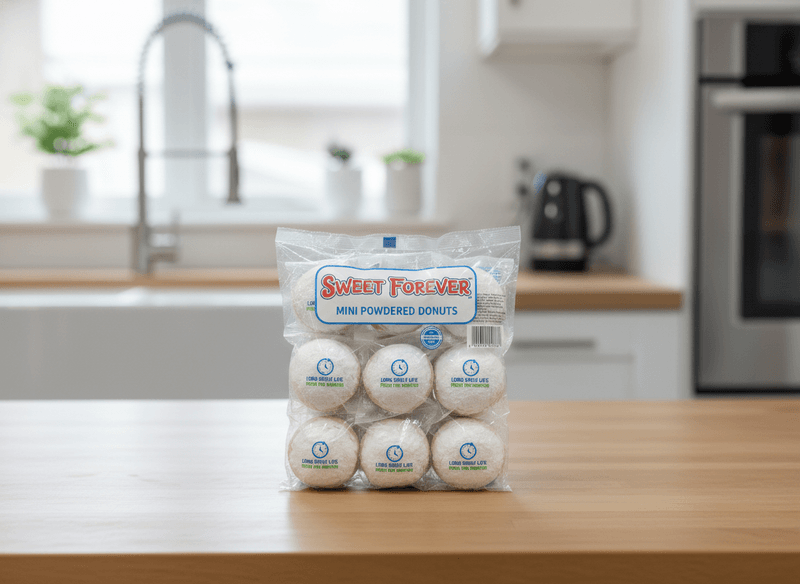
Grabbing a pack of mini donuts from the convenience store might seem harmless, but these tiny treats pack a surprising nutritional punch in all the wrong ways.
Each donut is made from refined white flour stripped of fiber and nutrients, then fried in partially hydrogenated oils.
The powdered sugar coating adds empty calories while the preservatives allow them to sit on shelves for months.
Six mini donuts can deliver 300 calories, 15 grams of fat, and 20 grams of sugar without providing any feeling of fullness.
The combination of refined carbs and sugar causes rapid blood glucose spikes followed by crashes that leave you tired and craving more sweets.
The trans fats from hydrogenated oils increase bad cholesterol while decreasing good cholesterol, doubling the cardiovascular risk.
13. Yogurt-Covered Pretzels (Mostly Sugar and Palm Oil)
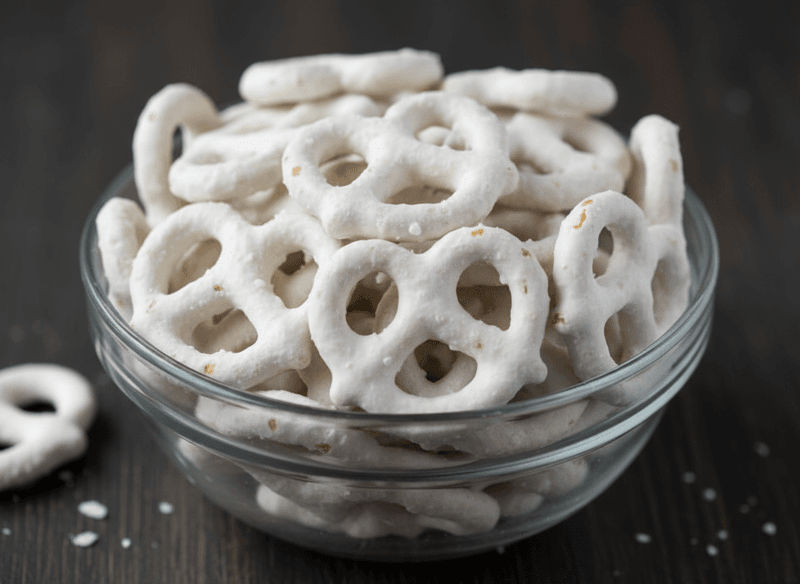
The word “yogurt” in the name creates a health halo that’s completely undeserved.
That white coating contains very little actual yogurt, consisting primarily of sugar, palm oil, and artificial flavoring designed to mimic yogurt’s tangy taste.
The pretzel inside provides some whole grains, but they’re overwhelmed by the sugary coating that makes up most of the snack’s weight.
A quarter-cup serving contains around 130 calories with 18 grams of sugar, more than you’d find in many candy bars.
The palm oil used in the coating is highly saturated and contributes to inflammation when consumed regularly.
These treats lack the protein and probiotics that make real yogurt nutritious, offering instead a deceptive combination that satisfies neither savory nor sweet cravings effectively while delivering mostly empty calories.
14. Bottled Smoothies with More Juice Concentrate Than Fruit
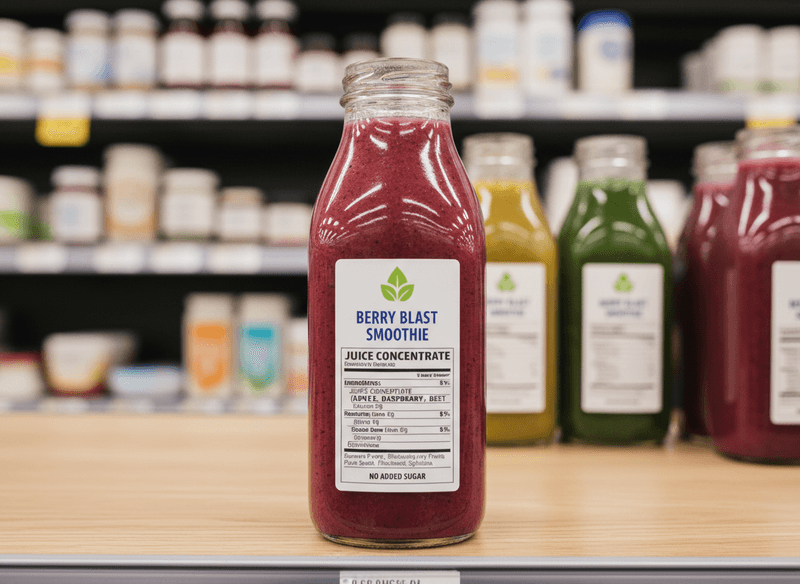
Those colorful bottles promise the nutrition of multiple fruit servings, but reading the ingredient list tells a different story.
Most commercial smoothies use juice concentrate as their primary ingredient, which is essentially fruit with the fiber removed and the sugar concentrated.
A single bottle can contain 50-60 grams of sugar, even without any added sweeteners.
The pasteurization process required for shelf stability destroys many of the vitamins and enzymes that make fresh fruit healthy.
Manufacturers often add synthetic vitamins to compensate, but these don’t absorb as effectively as nutrients from whole foods.
The lack of fiber means all that fruit sugar hits your bloodstream rapidly, causing the same blood sugar spike you’d get from soda.
Making smoothies at home with whole fruits, vegetables, and protein ensures you get actual nutrition.
15. Fruit Snacks Made Primarily from Corn Syrup
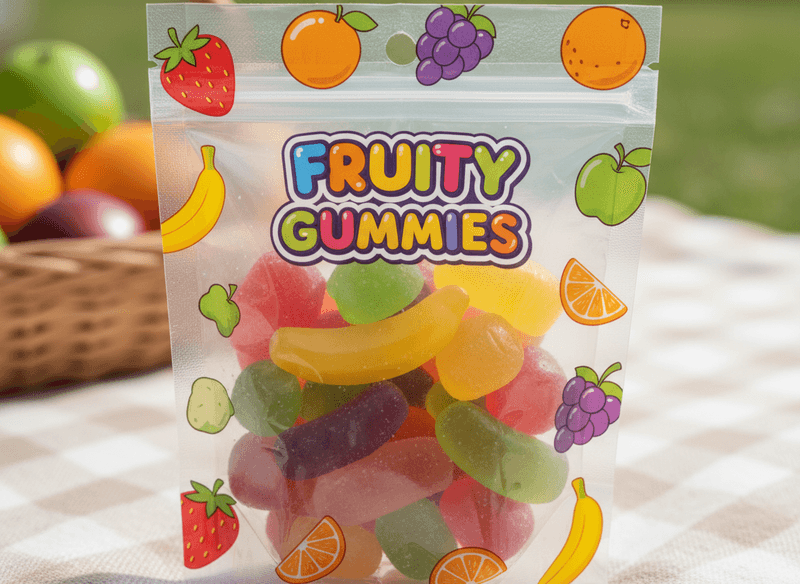
Despite their fruity shapes and flavors, these chewy treats contain almost no actual fruit.
Corn syrup and sugar top the ingredient list, with fruit juice concentrate appearing much further down in minimal amounts.
The bright colors come from synthetic dyes, and the fruit flavors are created in laboratories rather than orchards.
Each pouch delivers 10-12 grams of sugar that sticks to teeth, promoting cavity formation.
The gelatin-based texture makes them particularly problematic for dental health because they cling to tooth surfaces longer than liquid sweets.
Parents often choose these thinking they’re healthier than candy, but nutritionally they’re nearly identical.
The lack of fiber, vitamins, and minerals means they provide only quick energy followed by a crash.
Fresh fruit or freeze-dried fruit snacks offer genuine nutrition without the added sugars and artificial ingredients that make these gummies so problematic.
16. Frozen Fried Mozzarella Sticks

Pulling a box from your freezer and heating up cheese sticks might be convenient, but you’re essentially eating deep-fried dairy wrapped in refined breadcrumbs.
Each stick contains around 80 calories, and most people consume six or more in a single sitting.
The breading is made from white flour with added sodium and preservatives to maintain texture after freezing.
The frying process uses partially hydrogenated oils that create trans fats, while the cheese inside is often lower-quality mozzarella with added stabilizers.
A typical serving delivers over 500 milligrams of sodium and 20 grams of fat, much of it saturated.
The combination of refined carbs, unhealthy fats, and excess salt offers minimal nutritional value beyond calcium from the cheese.
Baked cheese with whole grain crackers provides similar satisfaction with far less processing and better nutrient quality overall.
17. Protein Bars That Contain More Sugar Than Protein
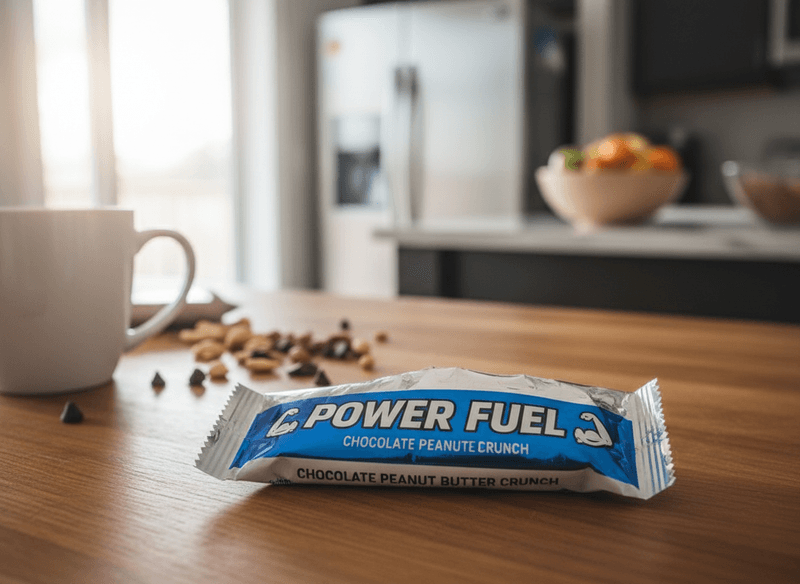
The fitness industry has convinced many people that protein bars are healthy snacks, but many varieties are glorified candy bars with a few grams of protein added.
Some contain 20-25 grams of sugar while providing only 10 grams of protein, defeating their supposed purpose entirely.
The protein often comes from low-quality soy isolates rather than complete protein sources.
Sugar alcohols frequently appear in the ingredient list, causing digestive distress including bloating and diarrhea when consumed in moderate amounts.
The bars also contain emulsifiers, artificial flavors, and preservatives to maintain texture and taste during storage.
At 250-300 calories per bar, they’re calorie-dense without being particularly filling or nutritious.
A hard-boiled egg with a handful of nuts provides superior protein quality, healthy fats, and genuine satiety without the sugar overload.
18. Instant Ramen Snack Cups Eaten Dry with Seasoning Packets
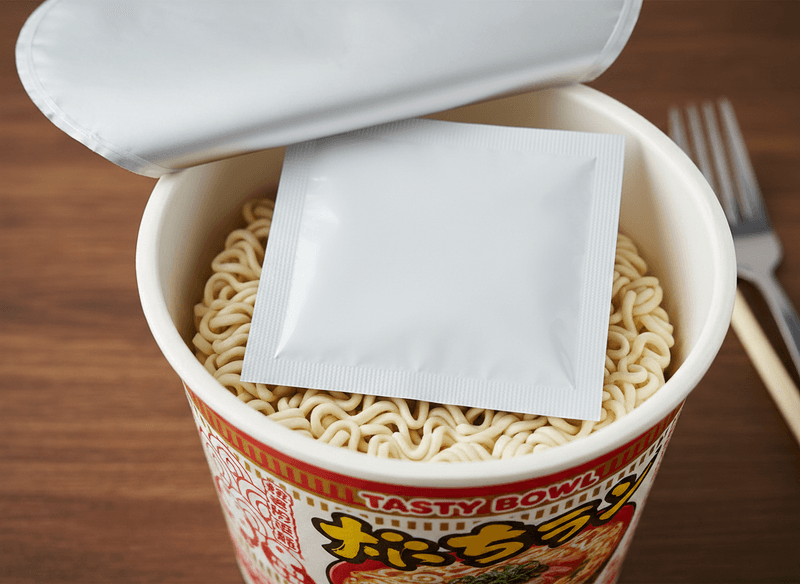
Some people crush up instant ramen and eat it dry as a crunchy snack, but this amplifies an already problematic food.
The noodles are deep-fried before packaging, making them extremely high in unhealthy fats even before you add the seasoning.
Speaking of that flavor packet, it contains an astronomical amount of sodium, often exceeding 1,500 milligrams in a single serving.
The seasoning includes MSG, artificial flavors, and various additives designed to create an intensely savory taste that keeps you reaching for more.
Eating the noodles dry means you’re consuming all that sodium without the dilution of broth, intensifying its impact on blood pressure.
The refined wheat flour offers no nutritional value beyond quick calories.
This snacking habit contributes to dehydration, bloating, and long-term cardiovascular risks from excessive sodium intake combined with inflammatory fried oils.
19. Sugary Iced Pastries from Convenience Store Displays

Those glossy pastries sitting under fluorescent lights have likely been there for hours, if not days, maintained by an arsenal of preservatives.
The icing contains more corn syrup and partially hydrogenated oils than actual sugar, creating a coating that never fully hardens.
Underneath lies a pastry made from refined flour, shortening, and enough chemicals to prevent staleness despite questionable freshness.
A single pastry can deliver 400-500 calories with 30 grams of sugar and minimal nutritional benefit.
The trans fats from hydrogenated oils raise bad cholesterol while the excessive sugar contributes to insulin resistance over time.
Artificial vanilla and butter flavors create taste without actual dairy or vanilla beans.
The convenience factor makes them tempting during rushed mornings, but they provide only a brief energy boost followed by a crash that leaves you hungrier and more tired than before.
20. Packaged Trail Mixes Loaded with Candy Pieces and Chocolate Coatings
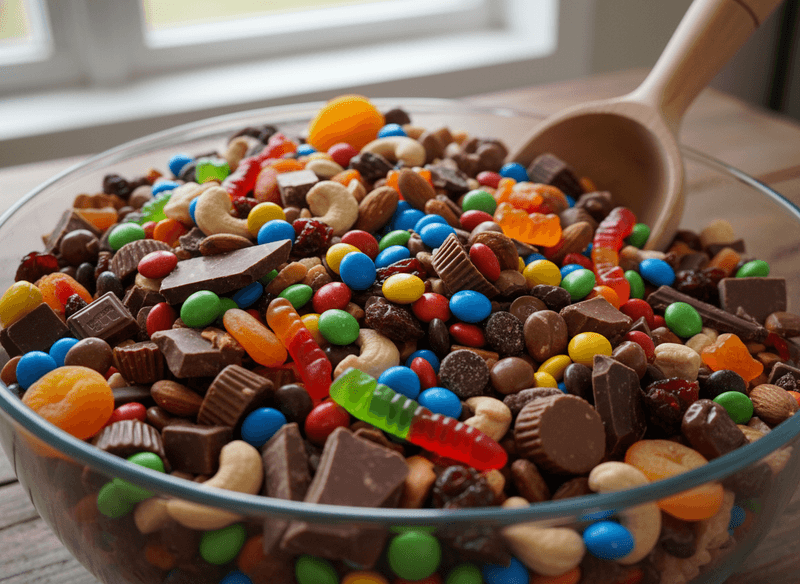
Traditional trail mix combines nuts, seeds, and dried fruit for sustained hiking energy, but modern versions have morphed into dessert disguised as health food.
Many commercial varieties contain more candy-coated chocolates and yogurt-covered raisins than actual nuts.
The dried fruit is often sweetened with added sugar despite fruit’s natural sweetness, and chocolate chunks contribute empty calories without the benefits of dark chocolate.
A quarter-cup serving can exceed 200 calories with 15 grams of sugar, and the sweet components make it easy to overeat mindlessly.
The nuts provide some protein and healthy fats, but they’re overwhelmed by sugary additions that spike blood glucose.
Some mixes include fried banana chips or honey-roasted nuts that add even more sugar and unhealthy oils.
Making your own trail mix with raw nuts, seeds, and unsweetened dried fruit gives you portable energy without turning a wholesome snack into a candy bowl.