 MomSkoop
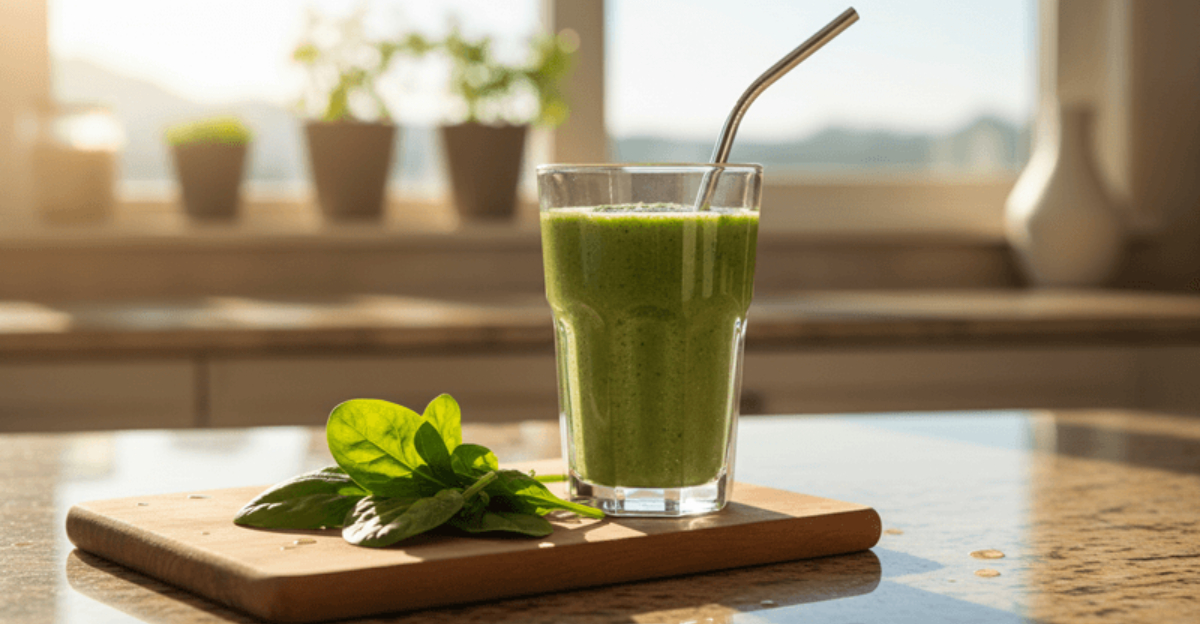
Most people think smoothies are all about fruit, but vegetables can take your blends to a whole new level.
Packed with vitamins, minerals, and fiber, veggies make your smoothies more filling and seriously good for you.
The best part?
Many of them barely change the taste, so you get all the benefits without sacrificing flavor.
Get ready to meet the 13 vegetables that will completely change the way you blend.
1. Beets
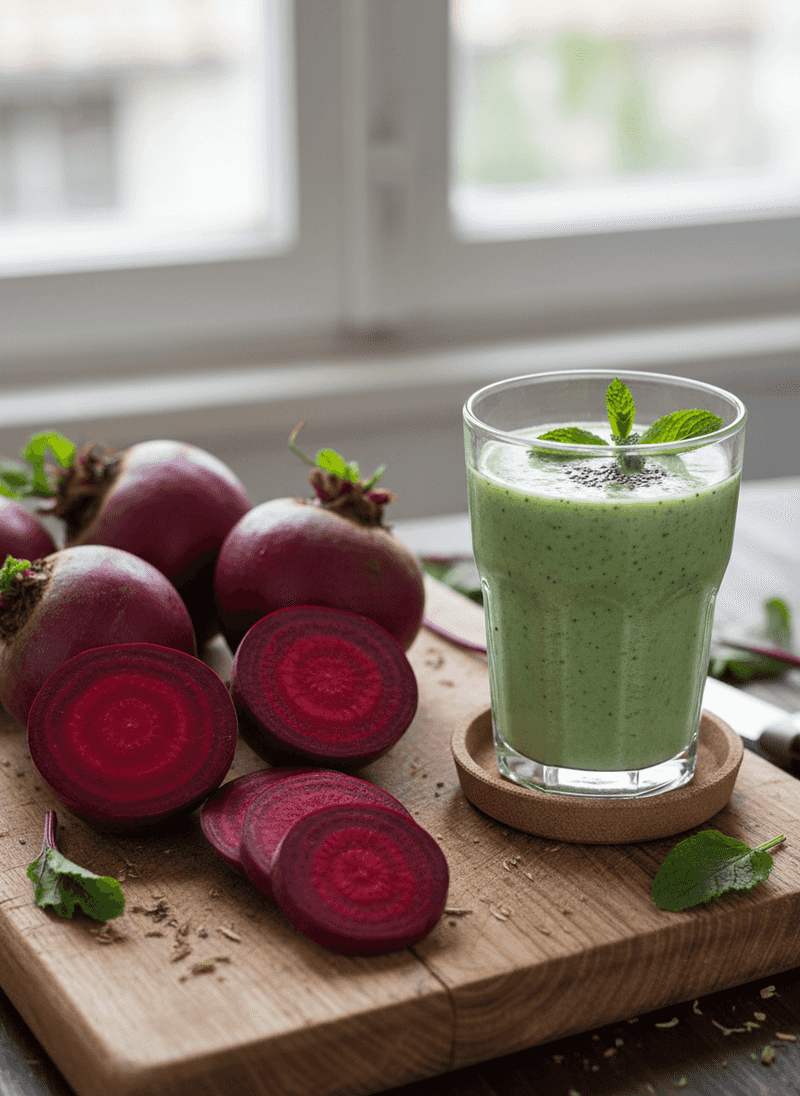
Few vegetables pack as much color and power into a smoothie as beets.
Just one small beet can turn your blend a stunning deep pink or purple, making it look as good as it tastes.
Beyond the eye-catching hue, beets are loaded with nitrates that help your body use oxygen more efficiently during exercise.
Athletes have been drinking beet juice before workouts for years because it genuinely boosts stamina.
Beets also contain folate and manganese, two nutrients your body needs for healthy cell growth.
Freeze cubed beets ahead of time so they blend smoothly and keep your drink cold.
2. Avocado
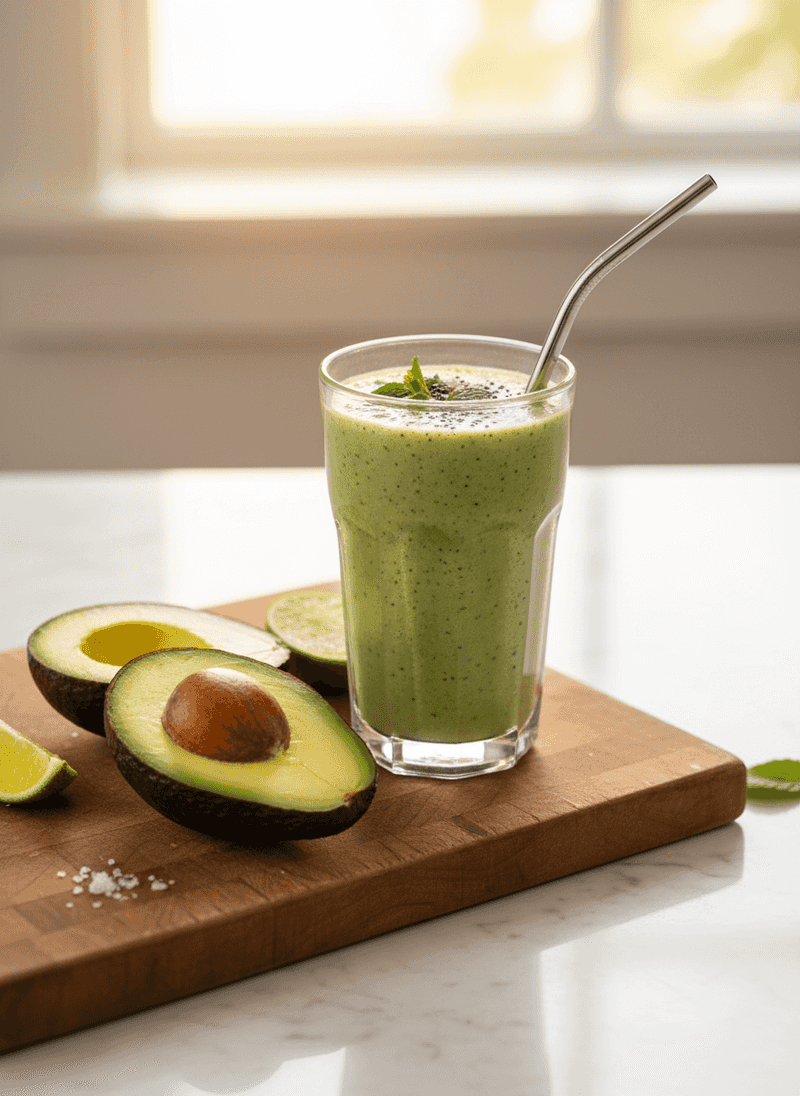
Creamy, rich, and surprisingly satisfying, avocado is the secret weapon behind every ultra-smooth, velvety smoothie.
Unlike most fruits and vegetables, avocado is loaded with healthy monounsaturated fats that keep you full for hours.
That means fewer mid-morning snack attacks and more sustained energy to power through your day.
Avocados are also packed with potassium, even more than a banana, which supports healthy blood pressure and muscle function.
They blend effortlessly with cocoa powder, banana, or spinach without overpowering other flavors.
Scoop half an avocado into your blender and watch your smoothie transform from watery to wonderfully thick and creamy.
3. Cucumber
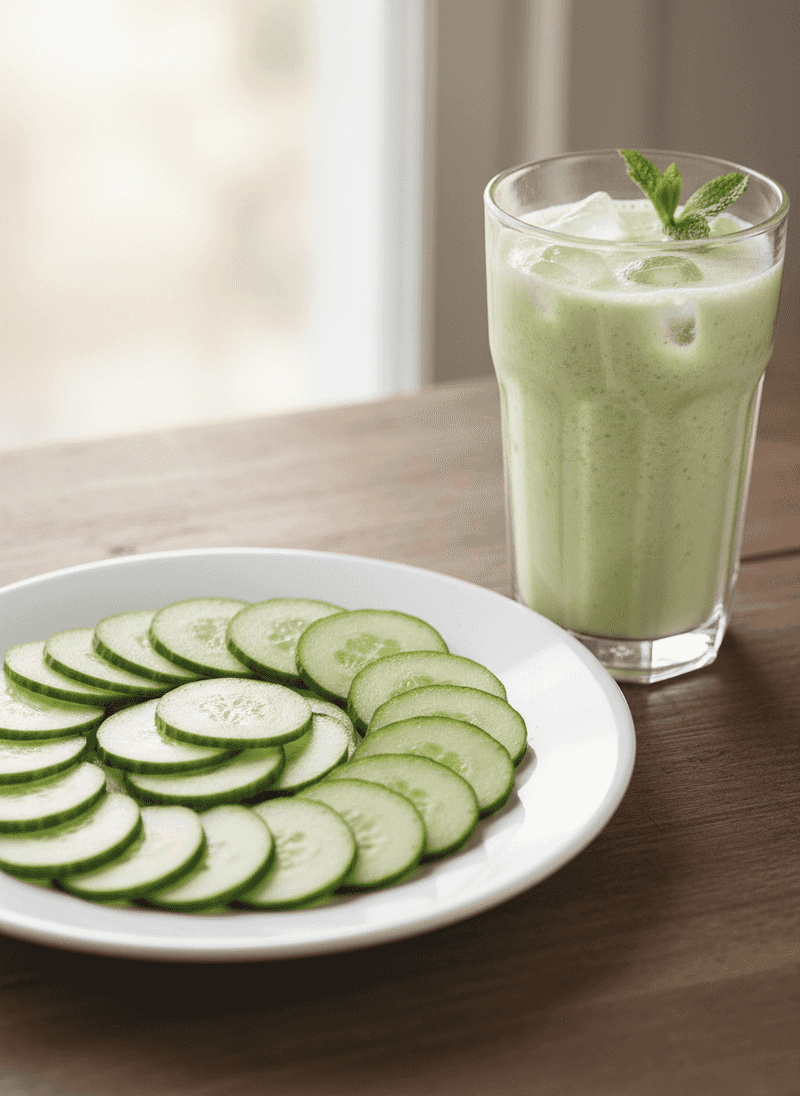
Cucumber is the ultimate warm-weather smoothie addition, bringing a cooling, refreshing quality that no other vegetable quite matches.
Made up of about 95 percent water, it hydrates your body while adding almost zero calories to your blend.
That makes it an ideal base for anyone trying to stay light and energized without feeling weighed down.
Beyond hydration, cucumber contains vitamin K, which plays a key role in healthy bones and proper blood clotting.
Its mild, clean flavor pairs beautifully with mint, lemon, and green apple.
You do not even need to peel it — just chop and toss it straight into the blender for an instantly refreshing smoothie.
4. Zucchini
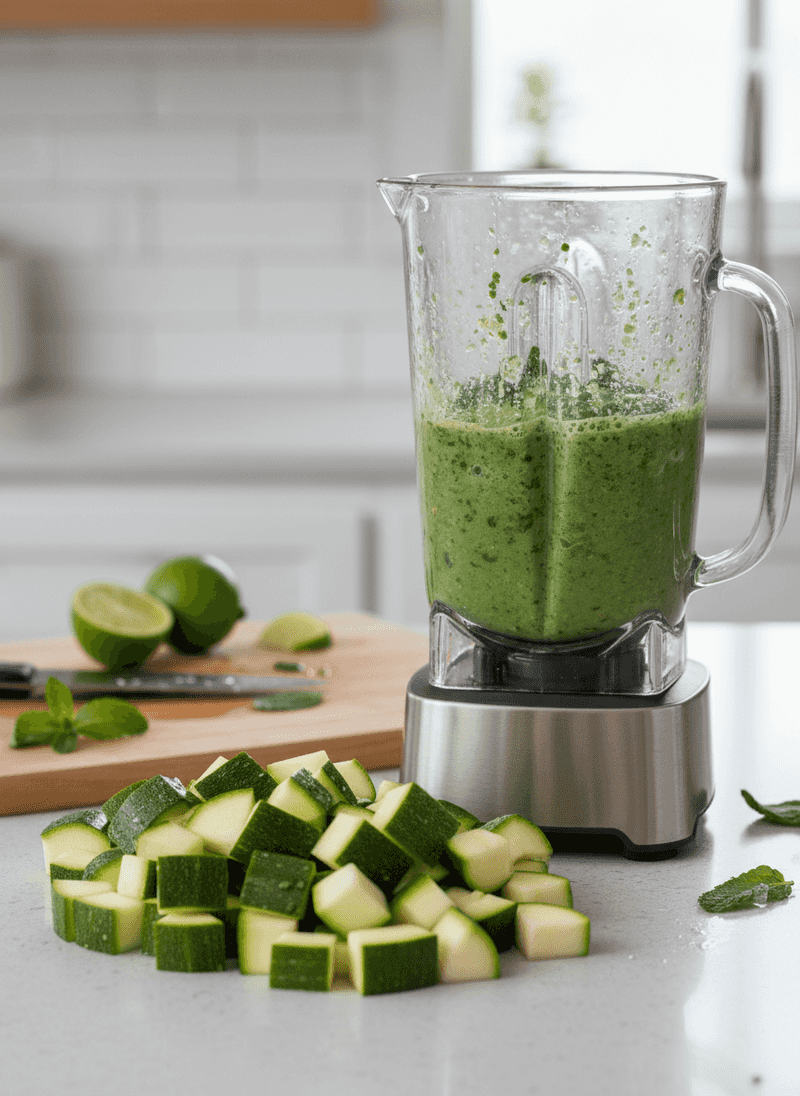
Zucchini is hands-down the sneakiest vegetable you can add to a smoothie.
Its flavor is so mild that it practically disappears into any blend, leaving behind only a creamy, smooth texture that makes every sip more satisfying.
Frozen zucchini chunks work especially well because they act like ice cubes while also thickening the drink.
Nutritionally, zucchini delivers a solid dose of vitamin C, potassium, and antioxidants that support your immune system and heart health.
It is also low in calories and high in water content, making it a smart choice for anyone watching their intake.
Try it blended with banana and peanut butter for a surprisingly delicious combo.
5. Spinach
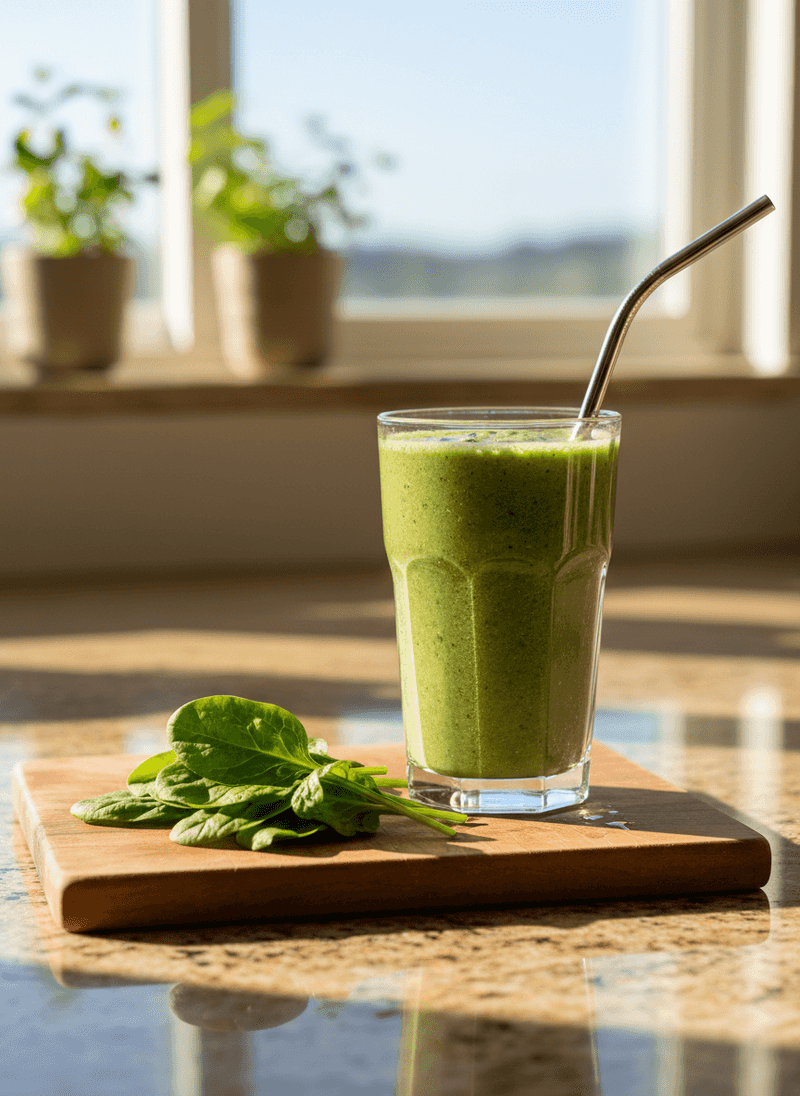
Spinach has earned its legendary status in the smoothie world for one very good reason — it does almost nothing to the flavor while doing everything for your nutrition.
Blend a generous handful into a fruit smoothie and the color turns green, but the taste stays sweet and fruity.
That invisibility factor makes it the most beginner-friendly leafy green around.
Rich in iron, calcium, and vitamins A, C, and K, spinach supports everything from strong bones to sharp eyesight.
It also contains plant compounds that reduce inflammation throughout the body.
Baby spinach blends the most smoothly, so grab a bag and start small if you are just getting started.
6. Carrots
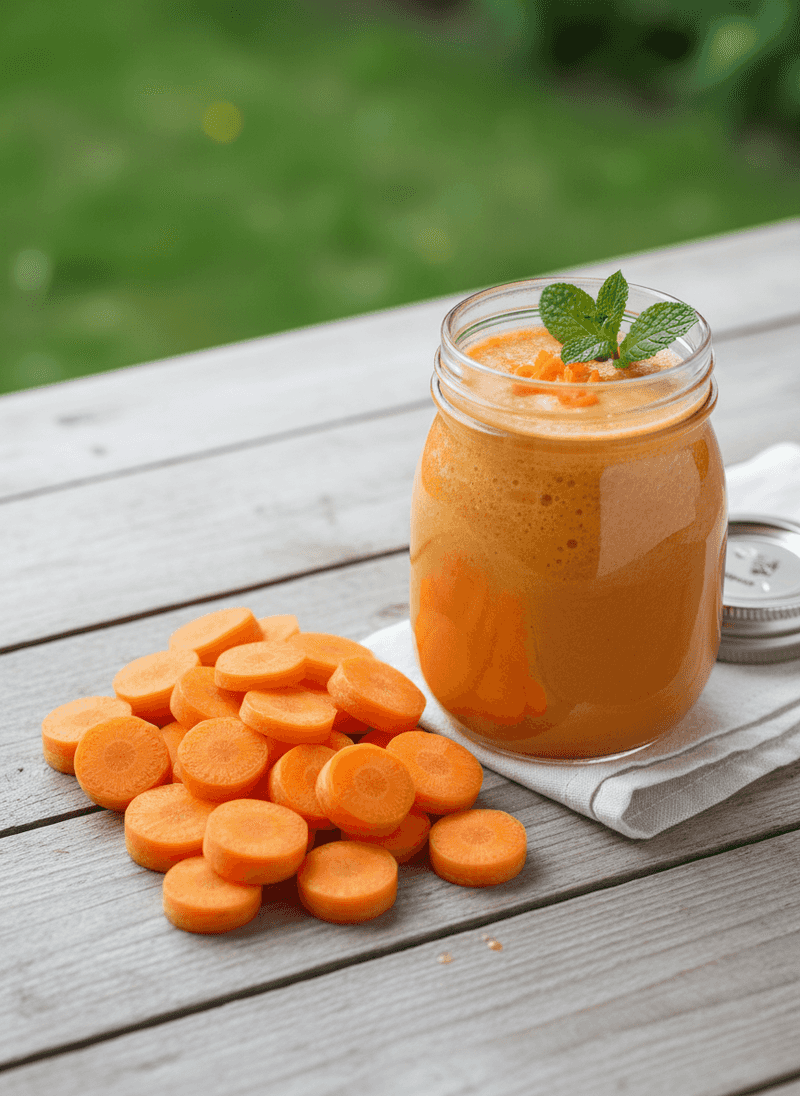
Carrots bring a natural sweetness to smoothies that most people do not expect from a root vegetable.
That gentle sweetness pairs perfectly with oranges, mangoes, or pineapple, creating blends that taste almost like tropical sunshine in a glass.
Grating or pre-cutting carrots before blending ensures a smoother consistency without any fibrous chunks.
The star nutrient in carrots is beta-carotene, which your body converts into vitamin A — essential for healthy vision, glowing skin, and a strong immune system.
Carrots are also high in fiber, which helps keep your digestive system running smoothly.
Cooked and cooled carrots blend even more easily if you want an extra-silky texture.
7. Celery
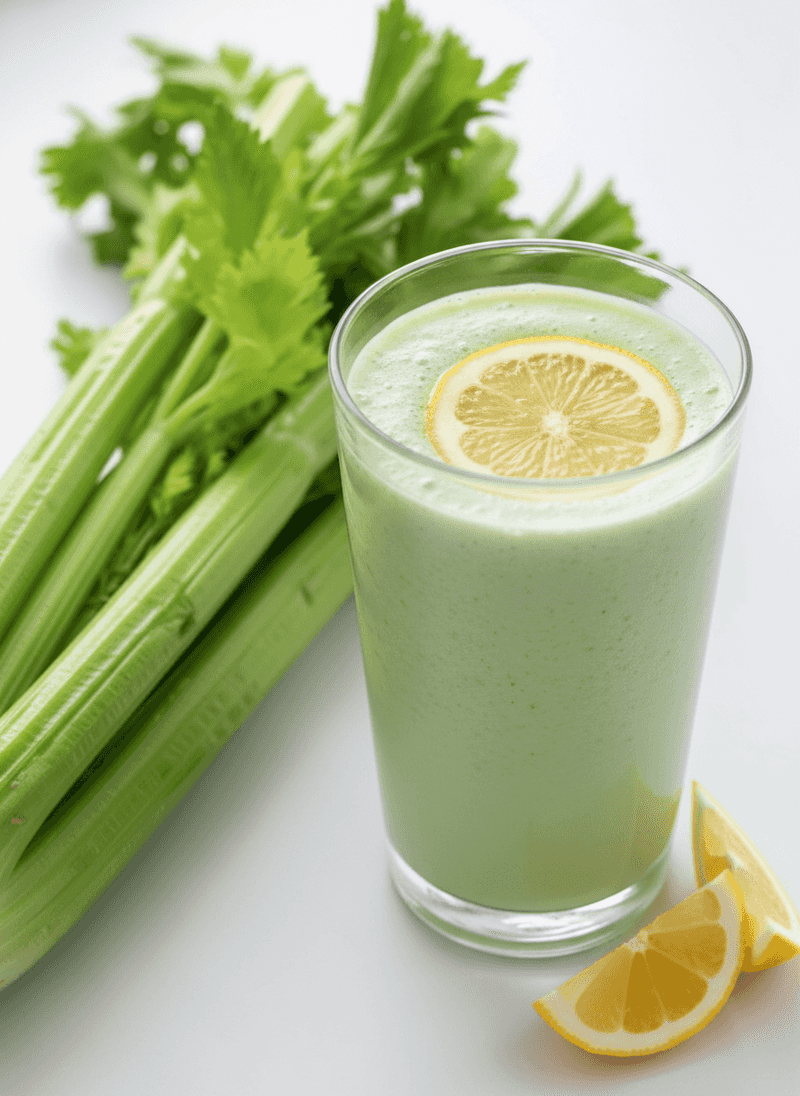
Celery has a reputation for being bland, but in a smoothie it plays a surprisingly bold role.
Its slightly salty, herbal bite cuts through sweetness and adds a refreshing complexity that makes your blend feel more sophisticated.
Juice bars have been charging premium prices for celery-based drinks for years — and blending your own at home is far more affordable.
Celery is rich in vitamin K, folate, and a unique antioxidant called apigenin, which has been studied for its anti-inflammatory properties.
It is also incredibly low in calories while being high in water content.
Pair celery with cucumber, green apple, and a squeeze of lemon for a detox-style smoothie that actually tastes great.
8. Sweet Potato
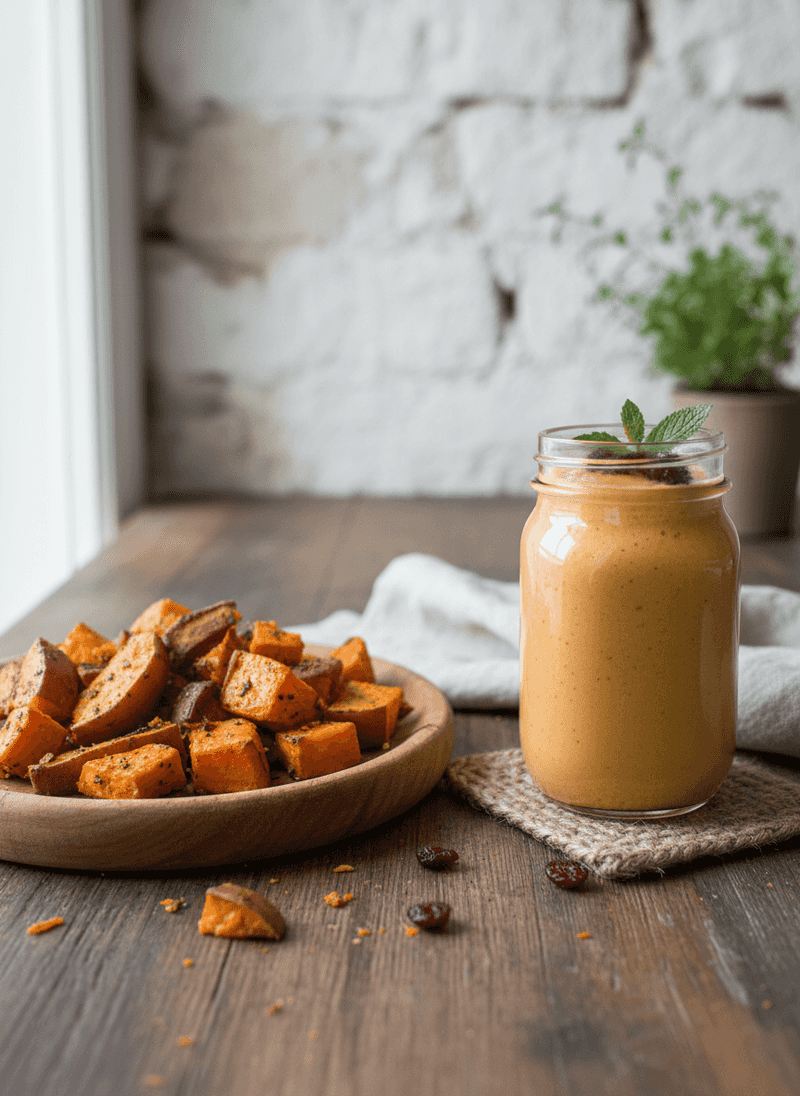
Sweet potato in a smoothie sounds unusual until you try it — then it becomes a permanent fixture in your rotation.
Cooked and cooled sweet potato blends into a thick, velvety texture that feels almost like a milkshake, with a natural sweetness that pairs beautifully with cinnamon, vanilla, and almond milk.
It is basically dessert in a glass, minus the guilt.
Nutritionally, sweet potatoes are superstars.
They are packed with beta-carotene, vitamin B6, potassium, and fiber, making them one of the most well-rounded vegetables you can eat.
Batch-cook a few sweet potatoes at the start of the week and freeze portions so your smoothies are always ready in minutes.
9. Peas
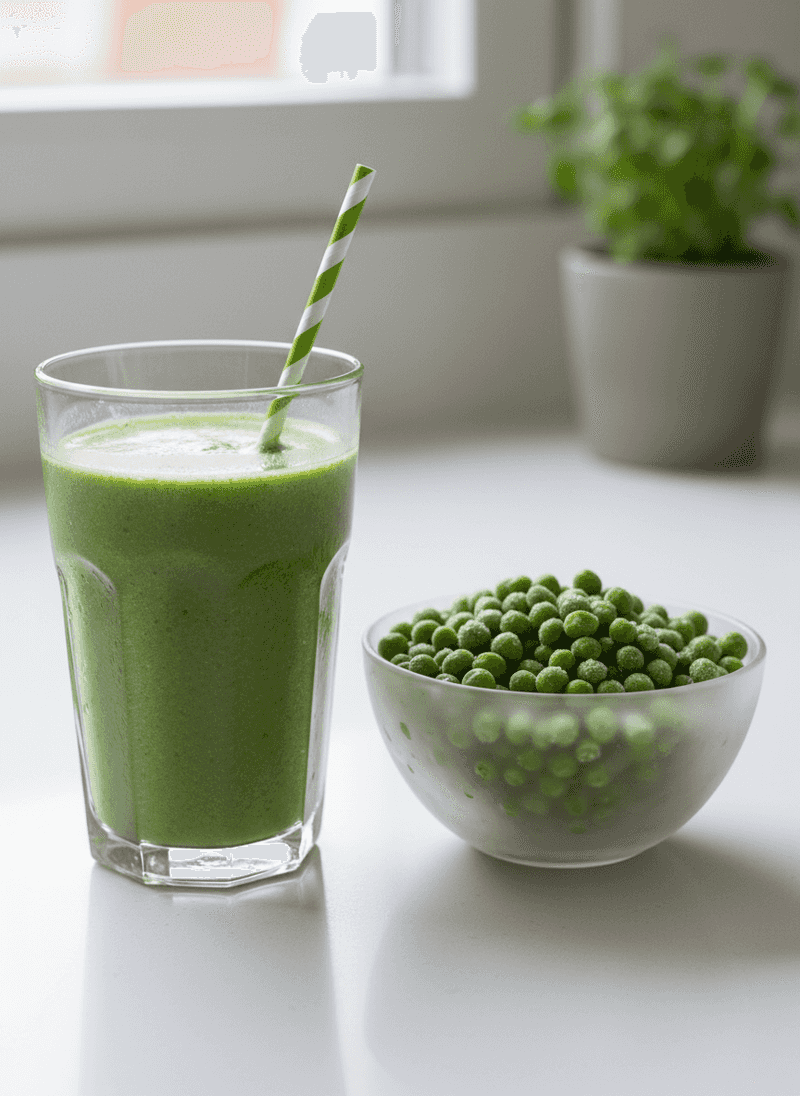
Frozen peas might be the most underrated smoothie ingredient in your freezer right now.
They blend quietly into the background, adding a subtle earthy sweetness while dramatically boosting the protein and fiber content of your drink.
For anyone trying to stay fuller longer after breakfast, peas are a game-changer that costs almost nothing.
A half-cup of peas delivers around four grams of plant-based protein along with vitamins C and K, folate, and thiamine.
They also contain antioxidants that support eye health and reduce inflammation.
Toss a handful of frozen peas straight into your blender with banana, spinach, and coconut milk for a smoothie that genuinely keeps hunger at bay all morning.
10. Kale
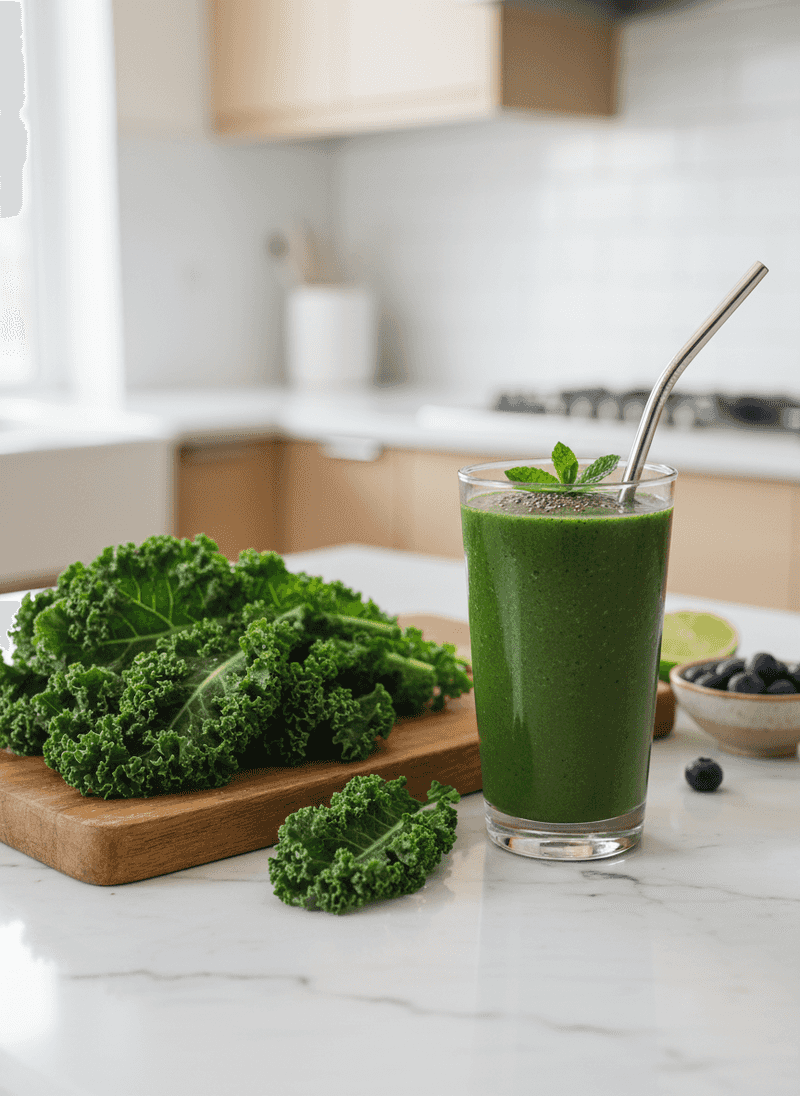
Kale walks into every smoothie like it owns the place — and honestly, with its nutrient profile, it has every right to.
One cup of raw kale packs more vitamin C than an orange, more calcium than a glass of milk, and a serious dose of vitamin K that supports bone health.
Few vegetables can compete with that kind of nutritional resume.
The trick with kale is blending it long enough to fully break down those tough, fibrous leaves.
Adding a liquid base first, then the kale, then your other ingredients helps the blender work more efficiently.
Pairing kale with sweet fruits like mango or pineapple balances its slightly bitter edge and makes every sip genuinely enjoyable.
11. Radish
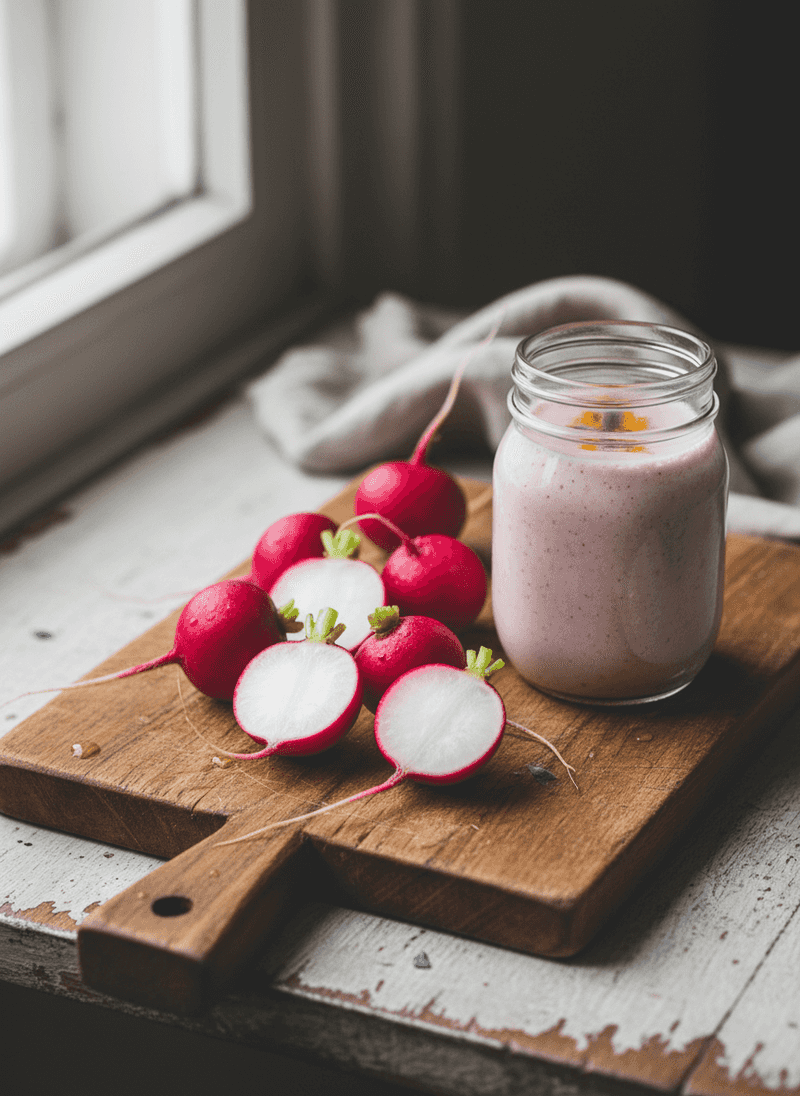
Radishes are not the first vegetable most people think of for smoothies, but that is exactly what makes them worth trying.
Their peppery, slightly spicy flavor adds an unexpected kick that wakes up a sweet smoothie in the best possible way.
Used in small amounts, radishes add intrigue without overpowering the other ingredients in your blend.
From a health standpoint, radishes are rich in vitamin C, folate, and compounds called glucosinolates that support liver detoxification.
They are also naturally low in calories while being surprisingly high in fiber.
Blend two or three small radishes with strawberries, beets, and a squeeze of lime for a bold, colorful smoothie that tastes as vibrant as it looks.
12. Winter Squash (Pumpkin or Butternut)
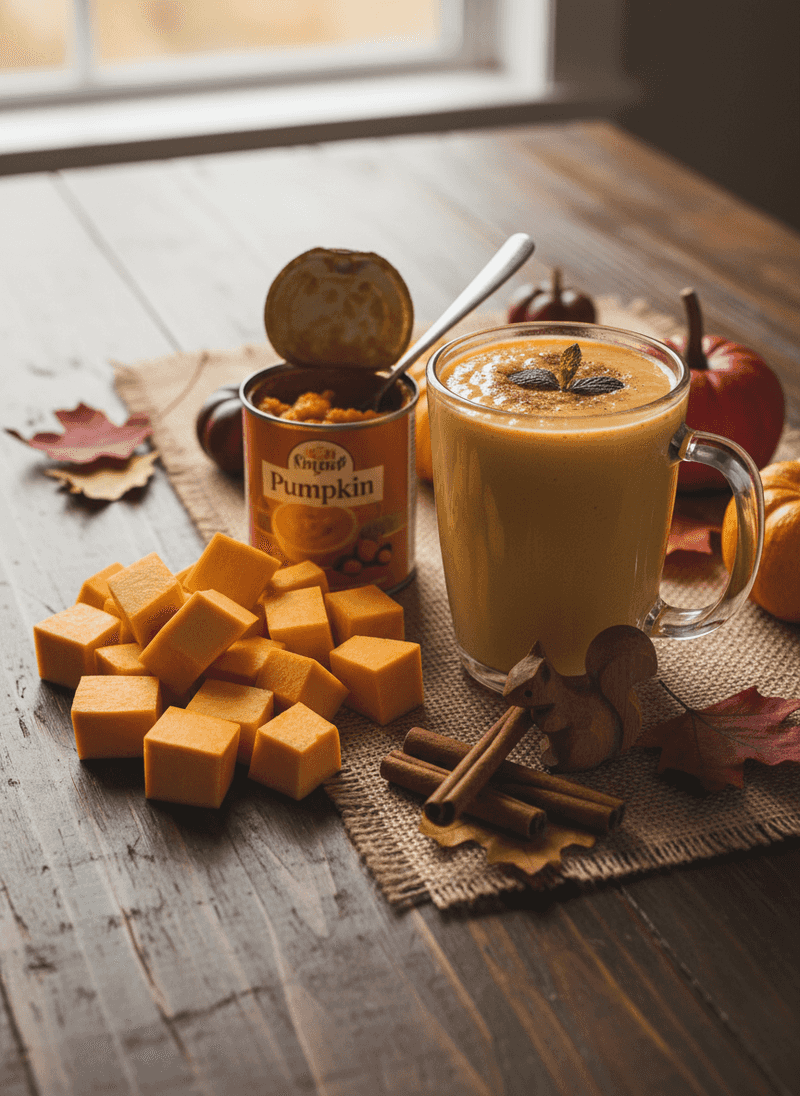
When the air turns crisp and fall flavors take over, winter squash becomes the coziest smoothie ingredient imaginable.
Pumpkin puree and roasted butternut squash both blend into a thick, warming base that tastes like autumn in a cup.
Pair either one with cinnamon, nutmeg, ginger, and a banana for a smoothie that rivals any pumpkin spice latte — with far better nutrition.
Winter squash is loaded with beta-carotene, vitamin C, magnesium, and fiber.
Canned pumpkin puree is one of the most convenient options since it is already cooked and ready to blend.
Just make sure you grab plain puree and not pumpkin pie filling, which contains added sugar and spices that can throw off your recipe.
13. Cauliflower
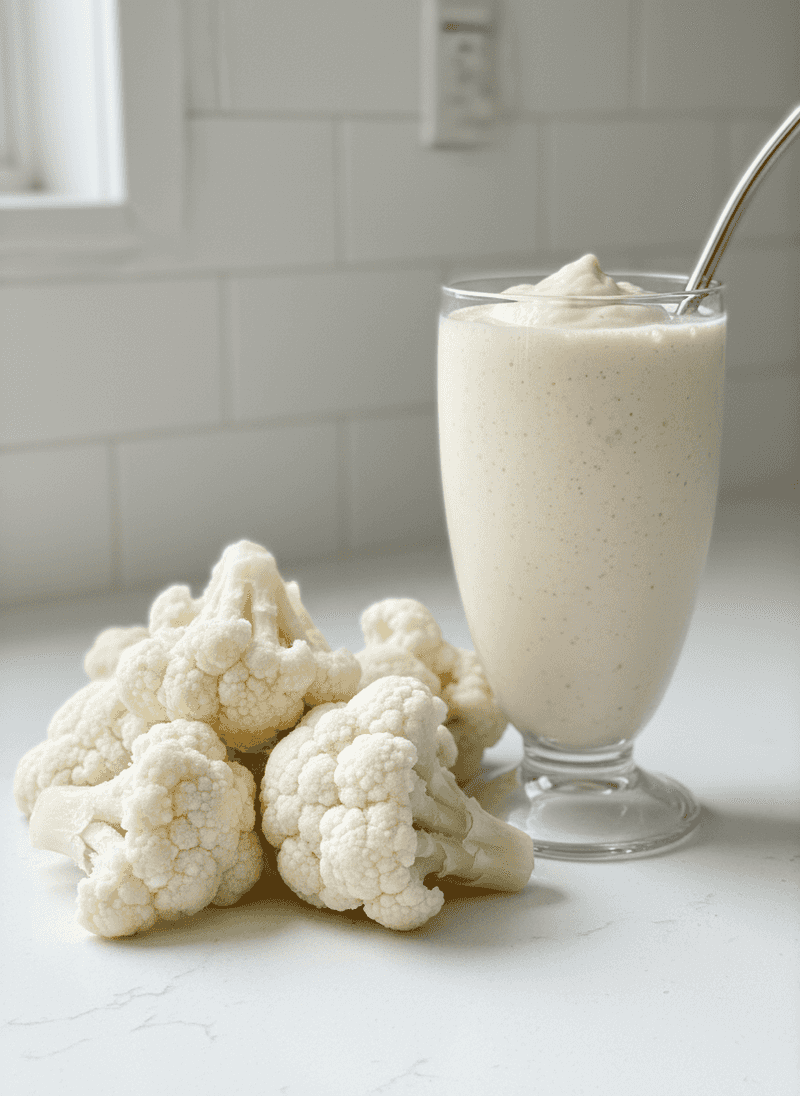
Cauliflower has become one of the most celebrated vegetables in healthy eating, and its smoothie potential is no exception.
Frozen cauliflower florets blend into an almost undetectable creaminess that makes your drink feel indulgent without any added fat or excess calories.
It is the kind of ingredient that makes people ask, “How did you make this so thick?”
Nutritionally, cauliflower is a powerhouse of vitamin C, choline, and sulforaphane — a compound that researchers are actively studying for its cancer-fighting potential.
It is also low in carbohydrates and high in fiber, making it popular in lower-carb eating plans.
Try frozen cauliflower with vanilla protein powder, almond milk, and a frozen banana for a shake-style smoothie that genuinely satisfies.