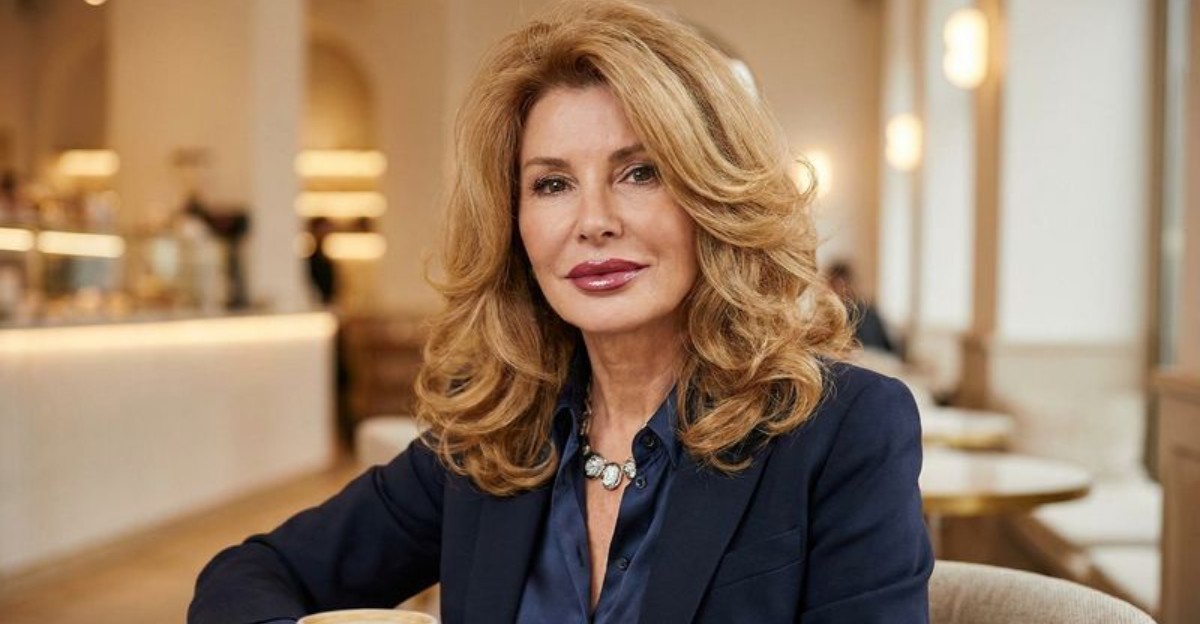
Finding the perfect haircut can make a noticeable difference in how you look and feel, especially when you’re ready for a fresh change. For women over 50, mid-length hairstyles offer an ideal balance between elegance, versatility, and easy maintenance. They provide enough length to experiment with different styles while remaining manageable for everyday wear. Whether you prefer soft layers, a sleek finish, or a cut that adds natural volume, the right mid-length hairstyle can beautifully complement your features and personal style.
One of the biggest advantages of mid-length haircuts is their ability to work with different hair textures, face shapes, and lifestyles. From timeless shoulder-length bobs to modern layered cuts with face-framing details, there are plenty of flattering options that feel both sophisticated and current. You don’t need a dramatic transformation to update your appearance, either. Sometimes, a few carefully placed layers or a subtle change in length can make all the difference. Here are 10 mid-length haircuts that can help women over 50 refresh their style with confidence.
1. The Soft Layered Lob
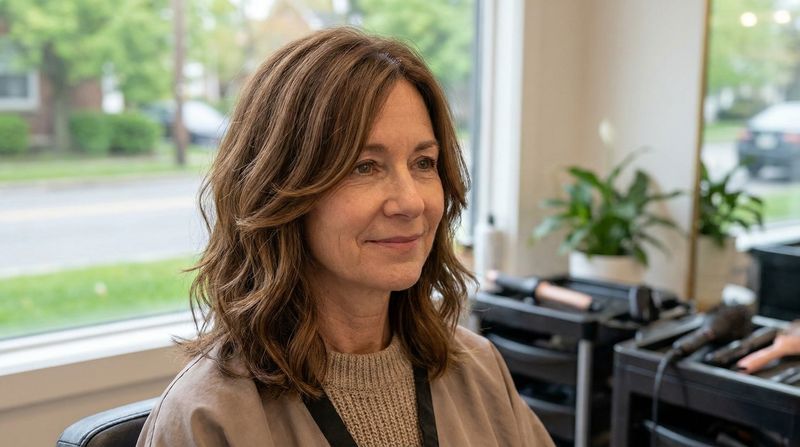
Think of the soft layered lob as the reliable friend of mid-length cuts.
It shows up, looks nice, and never makes a scene.
Most versions land between the chin and the collarbone.
Blended layers usually begin near the chin and graduate toward the ends.
They remove extra weight, so the hair can move and bounce instead of lying flat against your head.
That lighter feel helps a lot if your hair has grown finer over the years.
The layers create the look of fullness, yet the ends stay thick enough to avoid a wispy finish.
Your stylist can also place the shortest pieces where you want lift.
Cheekbones, jawline, or crown are common choices, so the cut adapts to many face shapes.
Styling stays simple.
Blow-dry with a round brush and lift at the roots as you go.
If your hair is fine, a lightweight volumizing mousse before drying can add body without stiffness.
One more perk deserves a cheer.
Soft layers grow out gracefully, so a missed salon appointment won’t turn into a hair emergency.
You get a few extra weeks of good hair days, which feels like a small gift from your calendar.
2. The Textured Lob
Flat hair at the crown can feel like a stubborn houseguest.
The textured lob politely shows it the door.
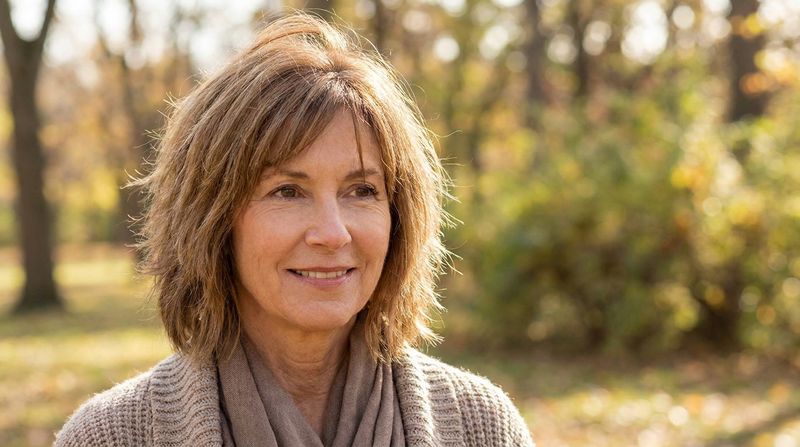
This long bob sits around the shoulders with choppy ends and subtle layers on top.
Those crown layers matter most.
They lift the roots so the top of your head doesn’t look pressed down by an invisible hat.
Meanwhile, the textured ends keep the shape from turning heavy or boxy.
The result looks relaxed and lived-in, but it still has a clear outline.
Fine to medium hair tends to suit this cut well.
The texture builds fullness exactly where thin hair needs it, and the shape stays easy to manage between washes.
Naturally wavy hair also shines here.
Sometimes waves simply need a good structure, and this cut gives them one without fighting their natural bend.
For styling, a texturizing spray is your quiet helper.
Mist it through dry hair, then scrunch or twist a few pieces with your fingers.
It brings out the layers and adds grip to slippery strands.
Ask your stylist to keep the texture soft rather than spiky.
Gentle piecing reads modern, while heavy chopping can look unfinished on finer hair.
3. The Classic Shoulder-Length Bob
Blunt ends have a confidence that layers can’t copy.
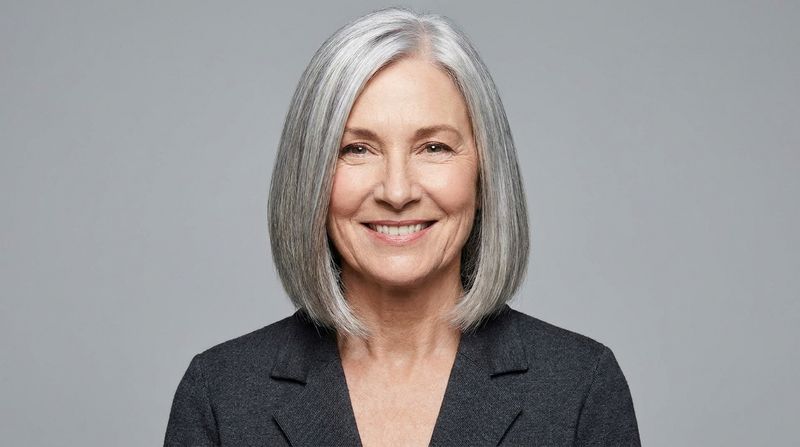
A classic shoulder-length bob grazes the shoulders with one strong, clean line, and it looks finished the moment you step out the door.
Skipping layers keeps the ends thick.
If your hair has thinned over time, that solid edge makes it appear healthier and denser.
Silver hair looks especially striking in this shape.
The crisp outline lets natural gray take center stage, and it reads polished instead of plain.
Straight hair and rich, solid colors also pair nicely with this cut.
The smooth surface shows off shine, which is a nice bonus for anyone who loves a glossy look.
Getting that glassy finish takes a paddle brush and a little patience.
Blow-dry the hair straight, working in sections from the back toward the front.
Then smooth a drop of serum onto the ends.
It tames flyaways and adds a bit of extra gleam without weighing the hair down.
This is a great pick if you like a neat look that doesn’t demand much fuss.
Regular trims keep the line sharp, since blunt edges show growth sooner than softer cuts do.
4. The Wavy Lob
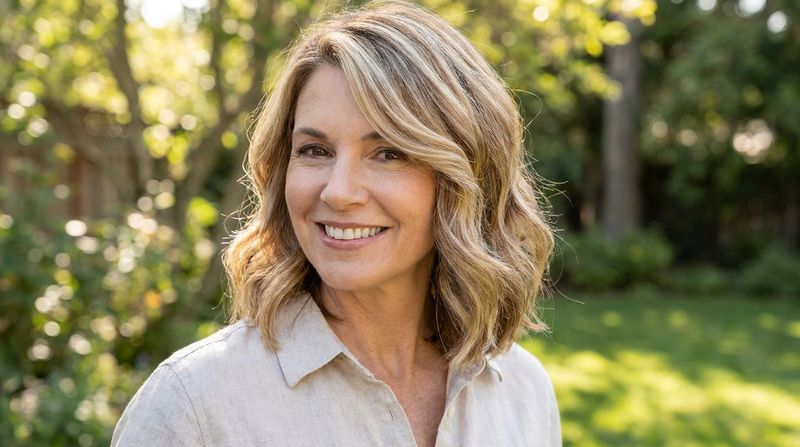
Loose waves make hair look styled without screaming that you spent an hour on it.
A wavy lob falls just below the chin or at the shoulders, with relaxed bends starting near the cheekbones.
Those bends do clever work with color.
They break up solid shades and let lighter strands catch the light, which adds dimension to highlights or blending gray.
Shape-wise, waves can soften a strong jawline and balance a longer face.
A side part lifts flat roots and pulls attention toward your eyes and cheekbones.
Medium-density hair suits this cut nicely.
Waves make a blunt lob feel lighter and add volume, and naturally wavy hair gets a head start.
Here’s a simple routine to try.
Part your hair deeply on one side while it is still damp, then dry it.
Next, wrap sections around a large-barrel curling iron, turning them away from your face.
Leave the last inch out for a softer, more modern finish.
A light sea-salt spray helps define touchable waves.
Shake your hair out with your fingers instead of brushing, unless you secretly want a fluffy cloud.
Some days you might, and that’s allowed too.
5. The Modern Shag
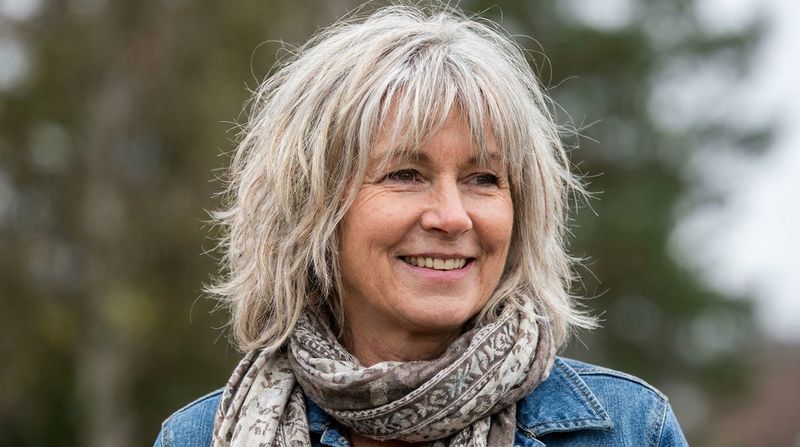
Messy hair is usually a problem, but the modern shag turns it into a plan.
Think choppy, uneven layers, shorter pieces at the crown, and feathered bangs around the face.
The overall vibe is organized chaos in the best way.
Layers build movement and body, so the hair never feels heavy or dragging.
Face-framing feathers also pull the eye upward.
That creates a lively, open look that I find more playful than most mid-length cuts.
Medium-thick and thick hair suit the shag especially well, since the layers remove bulk.
Wavy and curly textures love it too.
Fine hair can join the party with a lighter approach.
Ask for scattered, airy layers that add bounce without making the ends see-through.
Styling can be refreshingly lazy.
Work volumizing mousse into towel-dried hair, let it air-dry a bit, then finish with a round brush for soft texture.
Better yet, try air-drying completely or using a diffuser to boost natural body.
The shag often looks best a little imperfect, so a few rebel strands count as part of the design.
Finally, a haircut that rewards you for not overdoing it.
6. The Collarbone Cut With Face-Framing Layers
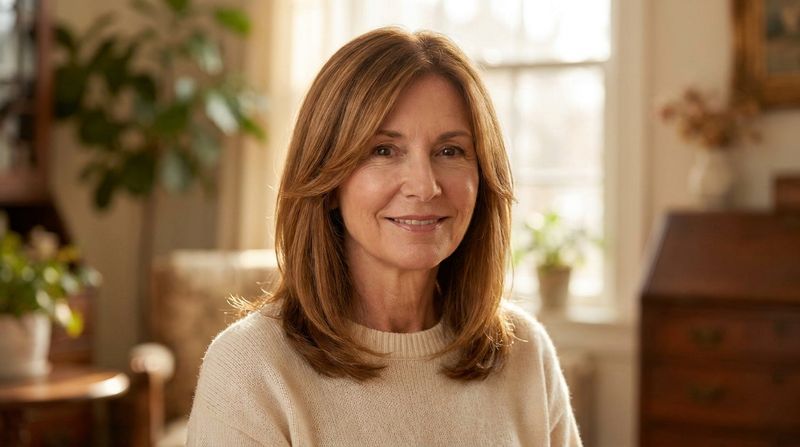
Collarbone length is the sweet spot for anyone who can’t decide between short and long.
It’s long enough to feel flowing, yet short enough to hold volume and dry quickly.
Face-framing layers make this cut special.
They usually begin at cheekbone height and gradually lengthen toward the shoulders.
That angle softens features and adds dimension right where people look first.
You keep most of your length while the front gets a fresh shape.
Many stylists keep the back one length.
Doing so protects fullness, which helps finer hair look thicker from behind.
This cut adapts to many textures, from straight to wavy.
It also looks lovely on gray hair, since the front layers show off the shine and movement.
For styling, dry the front sections first while they’re dampest.
Curl them slightly inward for polish or outward for a breezier finish.
A lightweight mousse on damp hair can add body, while a little serum keeps layers sleek.
On busy days, the length pulls back into a ponytail easily.
Those front pieces fall out around your face, and they look intentional rather than escaped.
7. The Lob With Side-Swept Bangs
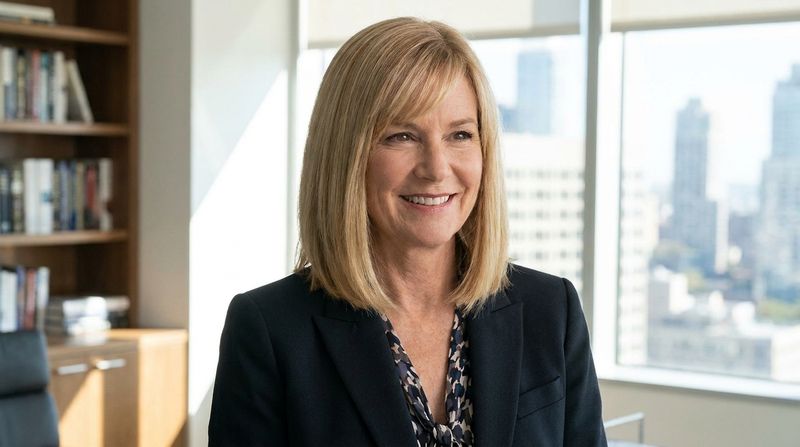
A diagonal sweep of bangs adds a little drama without demanding a full commitment.
Pair it with a shoulder-length lob, and you get a polished shape that works for meetings and dinners alike.
Side-swept bangs typically start at brow level.
They blend into the face-framing layers, so there’s no harsh line across your forehead.
The angle softens the forehead and highlights the eyes.
It also adds gentle asymmetry, which suits many face shapes.
Straight and slightly wavy hair handle this cut best.
Very curly bangs can have strong opinions about which direction they want to go.
Treat the bangs first when styling.
While they’re damp, sweep them across your forehead and dry them in that direction.
Finish with a cool shot from the dryer to set the shape.
A small round brush gives control without adding bulk at the front.
Maintenance is where this cut asks for loyalty.
Plan on trimming the bangs about every four weeks and the rest every six to eight weeks.
Many salons offer quick fringe trims between full appointments, so ask about that before you book.
8. The Lob With Curtain Bangs
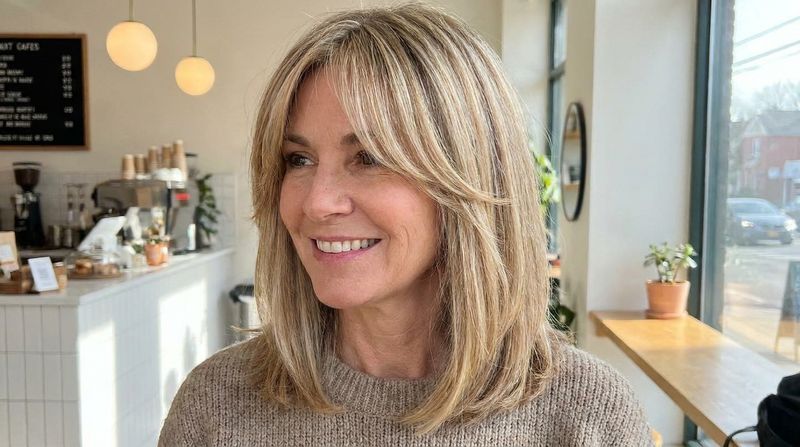
Curtain bangs part in the middle like stage drapes, and your face becomes the opening act.
On a lob, they turn a simple shape into something fresh and flirty.
The pieces are shortest at the center.
They lengthen toward the sides and blend into face-framing layers.
That soft slope gently covers part of the forehead and frames the eyes and cheekbones.
It can also help disguise a receding hairline, which many people appreciate.
Round, square, and heart-shaped faces can all work with curtain bangs.
Straight and wavy textures both take to them well.
Growing them out is far less dramatic than with blunt bangs.
They simply melt into the layers, so there’s no awkward phase that makes you avoid mirrors.
A round brush blow-dry gives the bangs a subtle lift.
Dry them forward first, then brush each side away from the center.
Longer curtain bangs add more dimension, while shorter ones feel more retro.
Ask your stylist to start long, since you can always go shorter next visit.
Scissors only work in one direction, after all.
9. The Inverted Bob
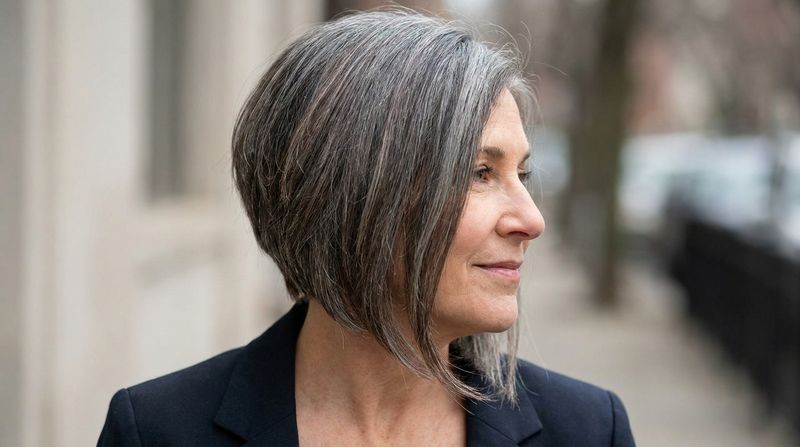
Angles get attention, and the inverted bob knows it.
This cut is shorter in the back and grows longer toward the front, often reaching the collarbone.
Some salons call it a graduated lob.
Softly stacked layers at the back build natural volume and give the cut its sharp, sloping outline.
That stacking lifts the crown, which helps fine hair look fuller.
The shape adds movement where flat hair often struggles most.
Thick hair benefits in a different way.
Removing bulk lets the hair lie smoother instead of puffing outward.
The shorter back also shows off your neck and jawline.
Pair it with statement earrings, and the whole look feels bold and put together.
Straight or slightly wavy hair with medium density works best.
Very curly hair can make the stacked layers expand more than expected.
Because the structure is built into the cut, styling is usually quick.
A fast blow-dry often does the job, with a brush to smooth the front pieces.
Keep up with trims, though, since the angle loses its sharpness as the back grows out.
10. The Voluminous Layered Blowout
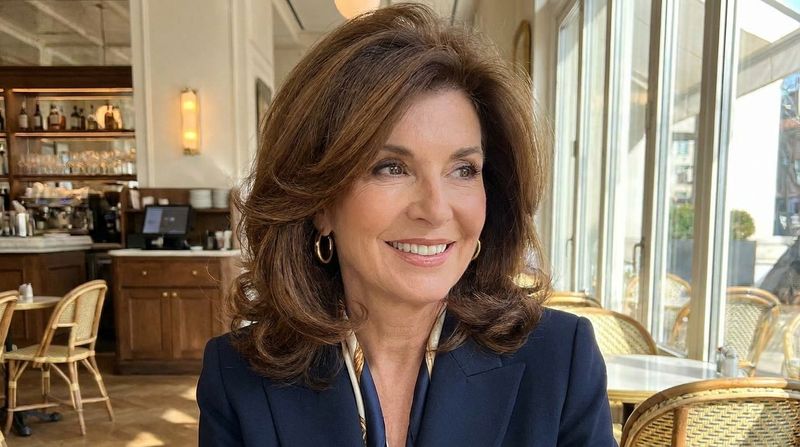
Some haircuts whisper, but this one walks in with a bounce.
The voluminous layered blowout uses soft layers styled for lift, body, and a polished, glamorous finish.
Layers are placed throughout the hair rather than only around the face.
That spread helps the whole head look fuller and more lively.
Roots get lifted instead of lying flat, so hair appears thicker.
You can skip heavy teasing and piles of product.
Fine hair often looks noticeably fuller with this approach.
Most hair types can wear it, especially if extra bounce sounds appealing.
Your tool kit is short and familiar.
A round brush and a blow dryer handle most of the work.
Start by applying volumizing mousse to damp roots.
Then dry section by section, pulling the brush upward and away from your scalp.
Roll the ends around the brush for a soft curve.
A cool blast at the end helps the shape hold longer.
Blowout styles can last a few days with care.
Sleeping on a silk pillowcase or loosely clipping hair up may help it keep its bounce until your next wash.