 MomSkoop
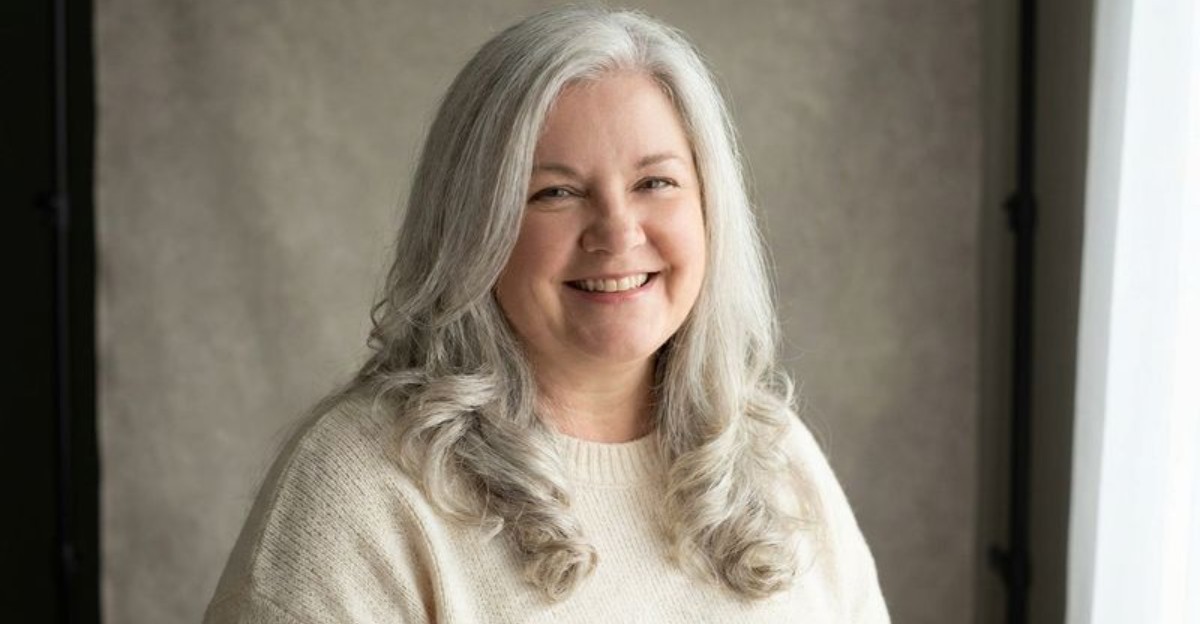
A round face is roughly as wide as it is long, with the fullest point usually sitting across the cheeks. That simple shape explains why a stylist might suggest a side part, longer front pieces, or lift at the crown. Hair often changes after 60, too, and many women notice it turning finer, drier, or more silver. I find that part interesting, because the best cut now has to suit both your face and your current texture.
None of this means hiding your cheeks, which are frankly one of the most cheerful features a face can possibly have. It just means choosing lines, layers, and lengths that work with your shape. Below are fourteen cuts worth bringing to your next salon visit, with options for short, medium, and longer hair. Which one has you reaching for your phone to book an appointment?
1. Bob With Teased Roots
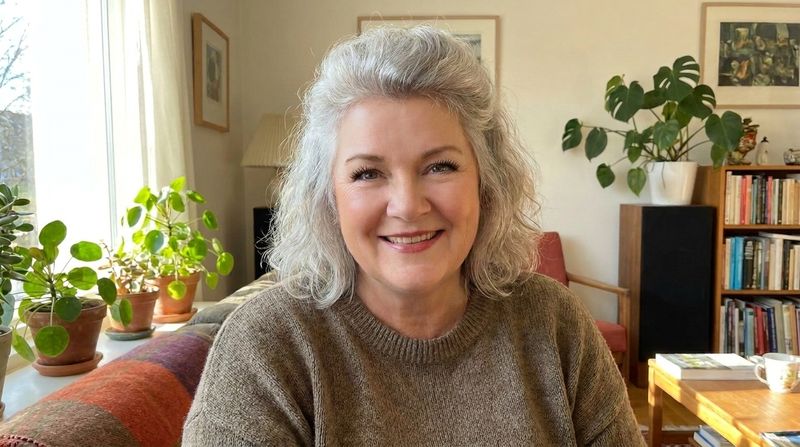
A little height at the crown can do more for a round face than a dramatic chop.
Teasing the roots of a classic bob adds that lift, pulling the eye upward and making the face read a bit longer.
Start with a bob that ends near the chin or just below it.
Ask your stylist to keep the top slightly longer so there’s enough hair to lift without it looking spiky.
At home, blow-dry your hair upside down for a minute, then switch to a round brush at the crown.
Once it’s dry, take small sections on top and backcomb gently near the scalp with a fine-tooth comb.
Smooth the top layer over the teased section so nobody sees the scaffolding.
A light mist of flexible hairspray keeps things in place without turning your bob into a hard shell.
Fine hair tends to love this trick, since thinning strands can fall flat by lunchtime.
A volumizing mousse at the roots before drying gives the tease something to grip.
Go easy on the backcombing, because too much can leave tangles and breakage.
Brushing it out gently, starting at the ends and working up, makes the evening cleanup much kinder to your hair.
2. Short Inverted Bob
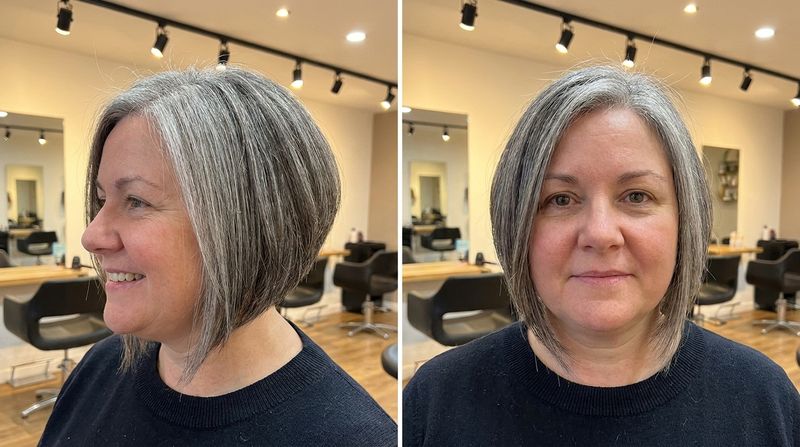
Short in the back and longer in the front, the inverted bob is basically a haircut with a built-in slope.
That angle draws a line downward toward the chin, which adds some welcome definition to softer, rounder features.
The back is often stacked, meaning layers are cut close at the nape to create a rounded lift.
From there, the hair gradually lengthens so the front pieces land near or just past the jaw.
For a round face, longer front pieces usually work best.
When the shortest point sits right at the cheeks, it can widen the look, so mention that you want the front to fall below the chin.
Straight and slightly wavy hair both show off the shape nicely.
Very curly hair can make the angle harder to see, though a skilled stylist can adapt it with careful layering.
Styling is fairly quick.
A round brush and a blow-dryer can curve the ends slightly under, and a pea-sized drop of smoothing cream tames flyaways.
Plan on trims every six to eight weeks to keep the angle crisp.
The stacked back grows out first, and once it puffs up, the sharp line you loved starts looking more like a mushroom.
3. Midi Cut With Flipped Layers
Remember the flip-out ends of 1960s TV moms?
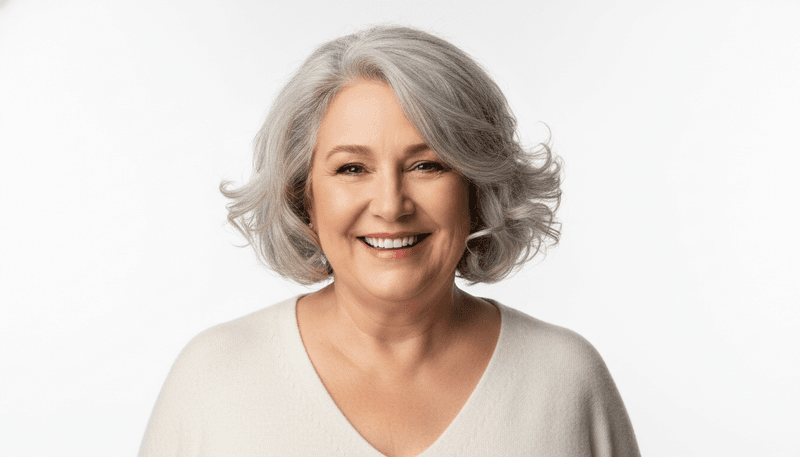
That cheerful curl has returned on midi-length hair, and it suits a round face surprisingly well.
A midi cut usually sits between the chin and the shoulders, often grazing the collarbone.
Adding layers that flip outward creates movement near the jaw and neck, which shifts attention below the widest part of the face.
Ask for long layers that start around the chin rather than up at the cheeks.
Short layers near the cheekbones can add width, while lower layers keep the shape longer and sleeker.
The flip itself is easy to create.
Use a large round brush or a flat iron, turning the ends outward as you dry or smooth each section.
A light texturizing spray helps the flip hold without feeling sticky.
Thick hair might need a slightly firmer product, while fine hair usually does best with something airy.
Silver and gray hair can look lively with a flip, because the curved ends catch light.
A shine serum on the ends keeps lighter strands from looking dry.
The best part may be how playful this cut looks with very little fuss.
On days you don’t feel like flipping anything, it also falls nicely straight or tucked behind the ears.
4. Highlighted Feathered Bob

Feathering got famous in the 1970s, when Farrah Fawcett’s swept-back layers launched countless salon requests.
Today’s feathered bob borrows that softness in a shorter, more manageable package.
Feathered layers are cut with soft, tapered ends instead of blunt edges.
That airy finish keeps the bob from sitting like a solid block around the cheeks.
Highlights add another layer of help.
Lighter strands around the face and crown create dimension, so the hair looks fuller and the eye moves around instead of landing on one spot.
On gray or silver hair, a colorist might add babylights or lowlights rather than bold stripes.
Fine, scattered highlights also make regrowth less obvious, which means fewer appointments.
Ask to keep the feathered pieces angled back and away from the face, starting near the cheekbones.
Brushing them back with a round brush while drying gives you that soft swoop.
Color-treated hair can get dry, especially when it’s already changing texture with age.
A sulfate-free shampoo and a weekly conditioning mask help keep the lighter pieces soft and shiny.
This style is friendly to busy mornings, since a quick blow-dry is usually enough.
Even second-day hair tends to look deliberate, because the feathered layers forgive a little messiness.
5. Side-Parted Layered Mob

Mob is short for medium bob, and it’s the length many people land on when they can’t decide between short and long.
Add layers and a side part, and it becomes a smart pick for a round face.
A mob usually falls between the chin and the shoulders.
That extra length past the jaw helps stretch the overall shape of the face downward.
The side part does a lot of quiet work.
It creates a diagonal line across the forehead, breaking up the symmetry of a round face and adding a hint of angle.
A deep side part gives the strongest effect, but even a slightly off-center one makes a difference.
Try flipping your part to the other side, since hair often has more natural lift there.
Layers keep the mob from looking heavy at the bottom.
Ask for them to start near the chin, so the movement frames your face instead of puffing out around the cheeks.
Styling can be sleek with a flat iron or loose with a few bends from a curling wand.
Both options work for this length, which makes the mob a reliable choice for errands and dinners alike.
6. Bixie With Feathered Layers
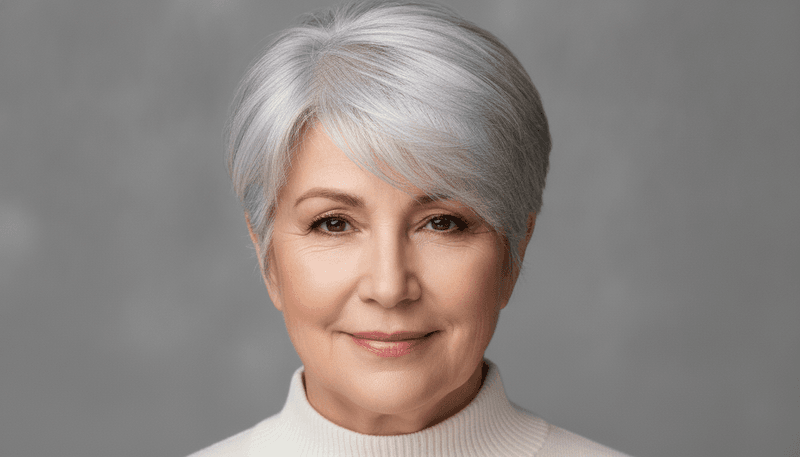
Can’t choose between a bob and a pixie?
The bixie solves that by splitting the difference, with a short, cropped feel and a bit more length on top and around the face.
The name became popular in recent years, though the shape itself isn’t new.
Picture shorter sides and back, plus longer pieces that brush the ears or cheekbones.
Feathered layers soften the bixie for a round face.
Wispy ends keep it from looking boxy, and the longer top can be pushed up or to the side for height.
Ask your stylist to keep some length at the crown and avoid cutting the sides too short around the cheeks.
A bit of side length can be tucked or swept back, depending on your mood.
Fine hair can look fuller in this cut, since the shorter length takes weight off the roots.
A dab of styling paste or texturizing cream separates the layers so they look intentional.
Growing out a bixie is easier than many short cuts.
Because it already has bob-like length up top, you can transition to a longer bob without an awkward phase that drags on for months.
7. Bob With Full Side Bangs
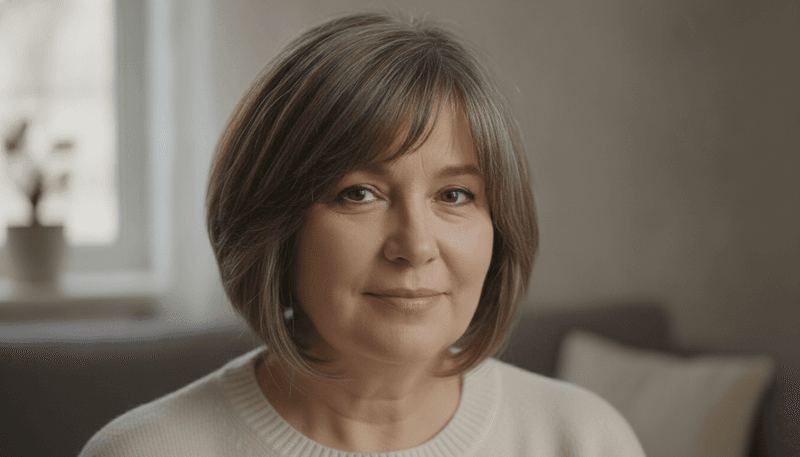
Bangs and round faces have a complicated reputation, mostly because blunt, straight-across fringe can make the face look wider.
Side bangs take a different route, sweeping across the forehead on a slant.
That diagonal line is the secret.
It breaks up the round shape, draws attention toward the eyes, and adds some angle without any dramatic changes to your length.
Pair the bangs with a bob that hits at or just below the chin.
The combination gives you two flattering lines, one across the forehead and one along the jaw.
Ask for bangs that are full but cut long enough to sweep past the brow on one side.
Longer bangs also give you options, since you can pin them back on days when they feel like too much.
Styling takes a little practice at first.
Blow-dry the bangs in the direction you want them to fall, using a small round brush or even your fingers.
Bangs can soften the look of forehead lines, which some people appreciate and others don’t care about at all.
Either way, plan on quick bang trims between full haircuts, since fringe grows into your eyes faster than you’d think.
8. Very Short Pixie With Volume and Movement
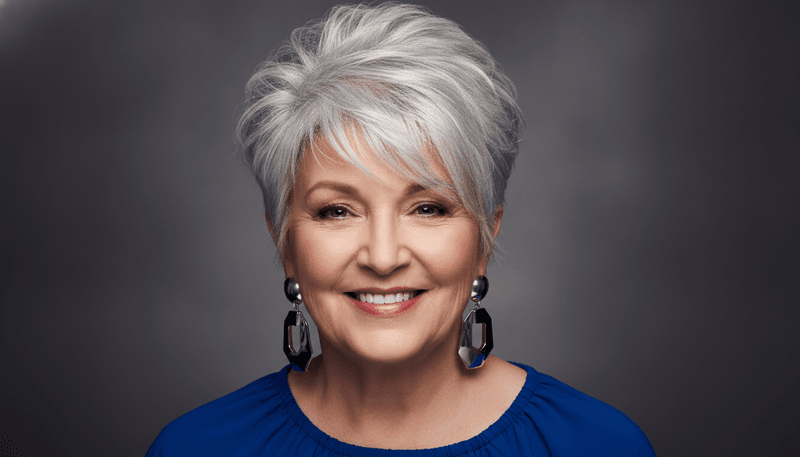
Audrey Hepburn made the pixie famous on screen in Roman Holiday back in 1953, and Judi Dench has worn her own cropped version for decades.
A very short cut can look bold and polished at any age, round face included.
The key on a round face is height.
A flat, evenly cut pixie can emphasize width, while extra length and texture on top lift the eye upward.
Ask your stylist to keep the top a little longer than the sides and to add soft, choppy layers.
Asymmetry helps too, like a longer piece swept across the forehead.
A small amount of pomade, wax, or texturizing paste is usually enough.
Rub it between your fingers, then push the top up and forward, twisting a few pieces for movement.
Wash-and-go mornings are a big perk.
Very short hair dries quickly, and silver strands often show off texture nicely at this length.
Earrings and glasses get more attention with short hair, which can be a fun bonus.
Bold frames or statement studs suddenly have the spotlight to themselves.
The tradeoff is upkeep, since a pixie loses its shape faster than longer cuts.
Booking trims every four to six weeks keeps the height where it belongs and stops the sides from puffing out.
9. Shag With Curtain Bangs
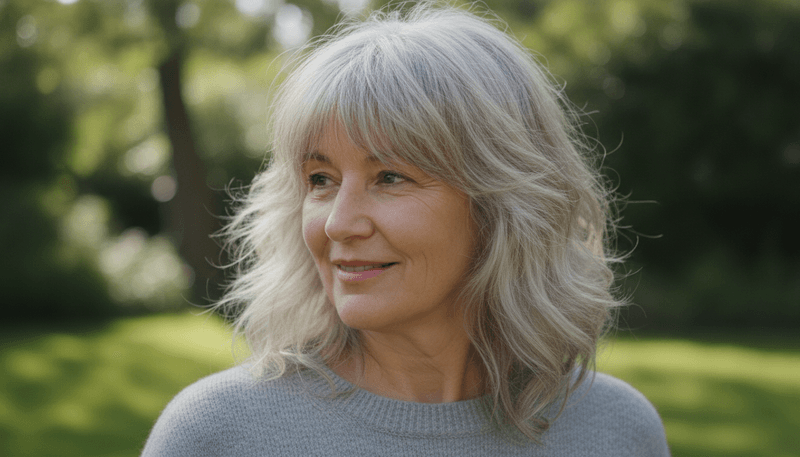
Jane Fonda wore a famous shag in the 1971 film Klute, and that choppy cut still pops up as a reference today.
The modern version keeps the layers and often adds curtain bangs, which split in the middle and sweep to each side.
For a round face, the layers are the big win.
They break up solid lines and add texture through the crown and sides, so the hair doesn’t sit in one round mass.
Curtain bangs help by creating an open, upside-down V shape over the forehead.
That frame points down toward the cheekbones and gives the face a longer look.
Ask for bangs that hit around the cheekbones rather than the brows.
Shorter curtain bangs can look sweet, but longer ones blend more easily into the layers.
Natural waves and curls look fantastic in a shag.
Scrunch in a curl cream or sea salt spray and let it air-dry if you can.
Thinning hair can benefit from a shag, because layered texture makes strands look fuller.
Ask your stylist to go lighter on the razor if your hair is very fine.
Straight hair works too, with a little help from a round brush or a flat iron to bend the ends.
The shag also forgives messy days, since a tousled look is part of the appeal.
10. Chin-Length Textured Bob

A bob ending at the chin sounds risky for a round face, since it lands so close to the cheeks.
Add texture, though, and the story changes.
Texture comes from point-cutting, slide-cutting, or light layering at the ends.
Instead of a heavy, blunt edge, you get choppy pieces that move and separate.
That movement keeps the bob from curving around the face like a frame.
For a longer look, let it sit just a touch below the chin rather than right at it.
Pair it with a side part to add a diagonal line.
A middle part can work too, as long as the front pieces have some texture and fall slightly forward.
Styling is simple with a texturizing spray.
Spray it into damp or dry hair, then scrunch or twist small sections with your fingers.
Fine and medium hair usually get the most benefit from a textured bob, since the choppy ends create the look of more volume.
Thick hair can work too, but ask for some weight removed so it doesn’t flare at the sides.
This cut suits anyone who wants a short, fresh look without committing to a pixie.
It also grows out gracefully into a lob if you change your mind.
11. Long Bob With Face-Framing Layers
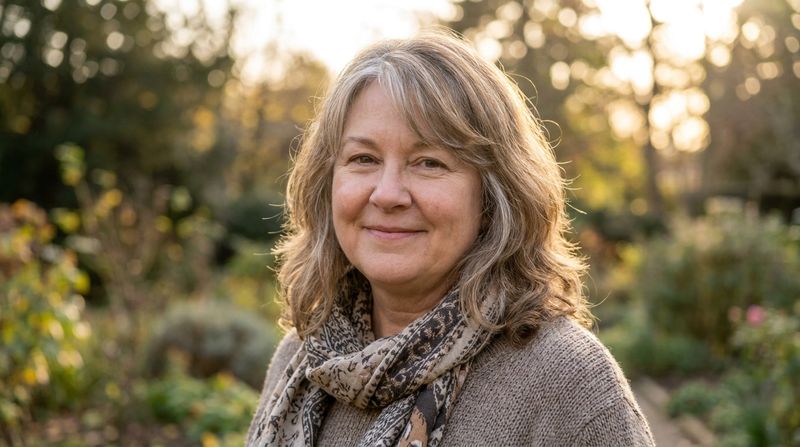
Somewhere between a bob and long hair sits the lob, usually landing between the chin and the collarbone.
It’s a handy middle ground for women who want options without tons of maintenance.
Collarbone length works nicely for a round face.
The hair extends past the jaw, creating a longer vertical line from the top of the head to the ends.
Face-framing layers make the lob even more helpful.
Cut to start around the chin, they angle down and away from the cheeks, adding shape without extra width.
A lob is easy to change up.
Wear it straight and sleek, add loose waves with a large-barrel curling iron, or tuck one side behind your ear.
Ponytails are possible at this length, which matters for gardening, workouts, or hot summer days.
Shorter cuts don’t always give you that option.
Ask your stylist to keep the ends a little lighter than the top so the lob doesn’t look triangular.
Thick hair especially benefits from a bit of weight removal at the bottom.
Trims every eight to ten weeks are usually enough.
That relaxed schedule is one more point in its favor.
12. Long Layers With Soft Curls

Long hair after 60 is a perfectly good choice, despite the old idea that women should cut it short at a certain age.
With the right layers, length can flatter a round face beautifully.
Long layers remove bulk and add movement, so the hair doesn’t hang flat against the cheeks.
Ask for the shortest layer to start at the chin or lower.
Soft curls add the finishing touch.
Curls that begin below the chin keep volume away from the widest part of the face and add fullness near the shoulders.
Hot rollers, a curling wand, or a large-barrel iron can create these curls.
Loosen them gently with your fingers for a softer look instead of tight ringlets.
Naturally curly hair may already have this shape built in.
A curl cream and a diffuser help define curls without frizz.
Long hair can feel heavier and drier with age, so conditioning matters.
A leave-in conditioner and regular trims every eight to twelve weeks help keep the ends healthy.
Wearing it up remains an option too.
A loose, low bun with a few curls left out around the face looks graceful and keeps hair off your neck.
13. Asymmetrical Bob
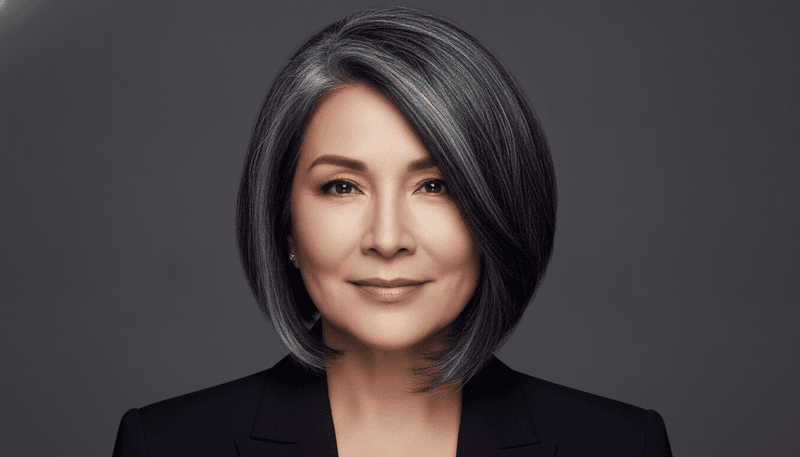
Want a haircut people notice?
One side longer than the other does the trick, and the asymmetrical bob turns that uneven line into a style statement.
The difference between sides can be subtle or dramatic.
A small gap looks polished, while a larger one, with one side near the chin and the other past the jaw, feels bolder.
For a round face, that slanted line works like a contour.
It creates angles and draws the eye across the face instead of around it.
A deep side part pairs naturally with this cut.
The longer side usually falls on the side of the part, sweeping across the forehead for even more angle.
Straight hair shows off the shape most clearly.
Wavy hair works too, though a stylist may cut it dry to account for how waves spring up.
Styling usually takes a flat iron or a smoothing blow-dry to keep the lines crisp.
A shine spray finishes it off with a sleek look.
Bold earrings pair nicely with the shorter side, since one ear stays visible.
Expect frequent trims, roughly every six weeks, because asymmetry shows grow-out faster than a classic bob.
14. Soft Pixie With Side Bangs

Not every pixie needs spikes or sharp edges.
The soft pixie keeps things gentle, with wispy layers and a relaxed shape that feels light rather than severe.
Side bangs are an ideal partner here.
They sweep across the forehead on an angle, breaking up roundness and drawing attention to your eyes.
Ask for longer pieces on top and at the fringe, with tapered sides that aren’t buzzed.
The goal is softness around the ears and nape, not a clipped, tidy outline.
Styling can take under five minutes.
Rough-dry with your fingers, sweep the bangs to the side, and finish with a tiny bit of lightweight cream.
Gray and white hair look lovely in a soft pixie, since the airy layers catch light.
Fine hair also gains apparent fullness when it isn’t weighed down by length.
Glasses wearers may appreciate how side bangs work with frames.
Keep the fringe long enough to sweep above or beside the lenses.
Regular trims every five to seven weeks keep the shape soft instead of shaggy.
Between visits, a little more product on the bangs can steer them back into place.
Short hair leaves more room for your smile, earrings, and expressions to take center stage.
For a round face, that’s a lovely place to end up.