 MomSkoop
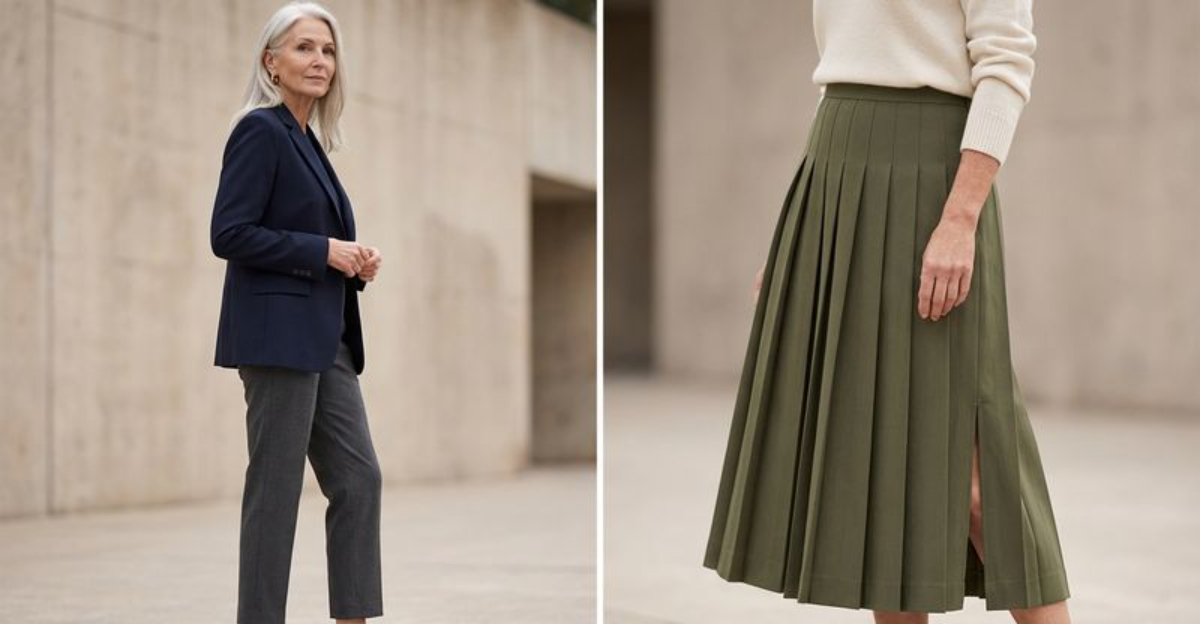
Fashion choices tell stories without words, and younger women often notice subtle details in the outfits of older women that reveal a lot about style evolution. These observations aren’t about judgment but about understanding how fashion preferences shift over time. From color selections to shoe choices, certain outfit elements stand out immediately and spark conversations about generational style differences.
1. Color Palette Choices
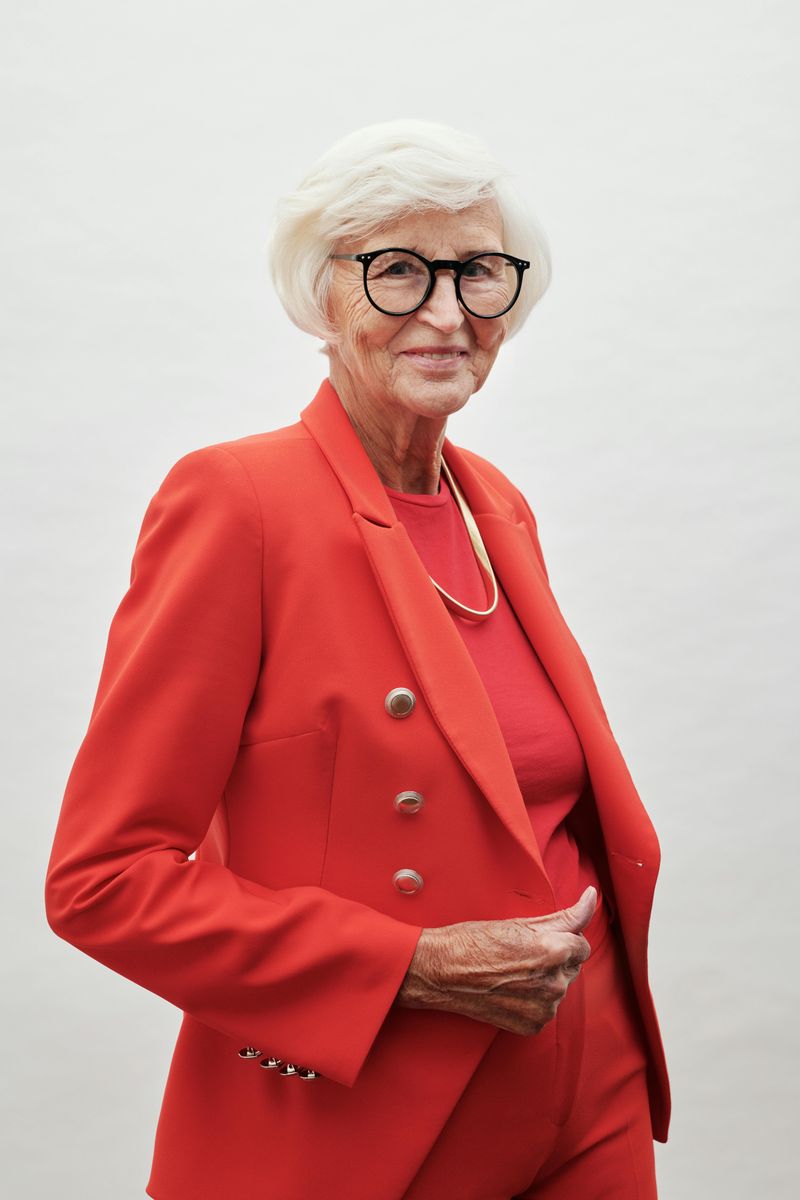
Muted tones and neutral shades often dominate wardrobes as women age, creating a noticeable shift from the bold, vibrant colors younger generations gravitate toward.
Beiges, grays, and soft pastels become go-to choices, sometimes at the expense of experimenting with brighter hues.
While these colors offer sophistication and versatility, they can occasionally make outfits feel predictable or overly safe.
Younger observers immediately pick up on this preference, especially when an entire outfit lacks any pop of color.
The key to keeping your palette fresh is incorporating at least one unexpected shade—perhaps a coral scarf or emerald earrings—that breaks the monotony without overwhelming your look.
Balance remains essential for timeless style.
2. Shoe Style and Condition
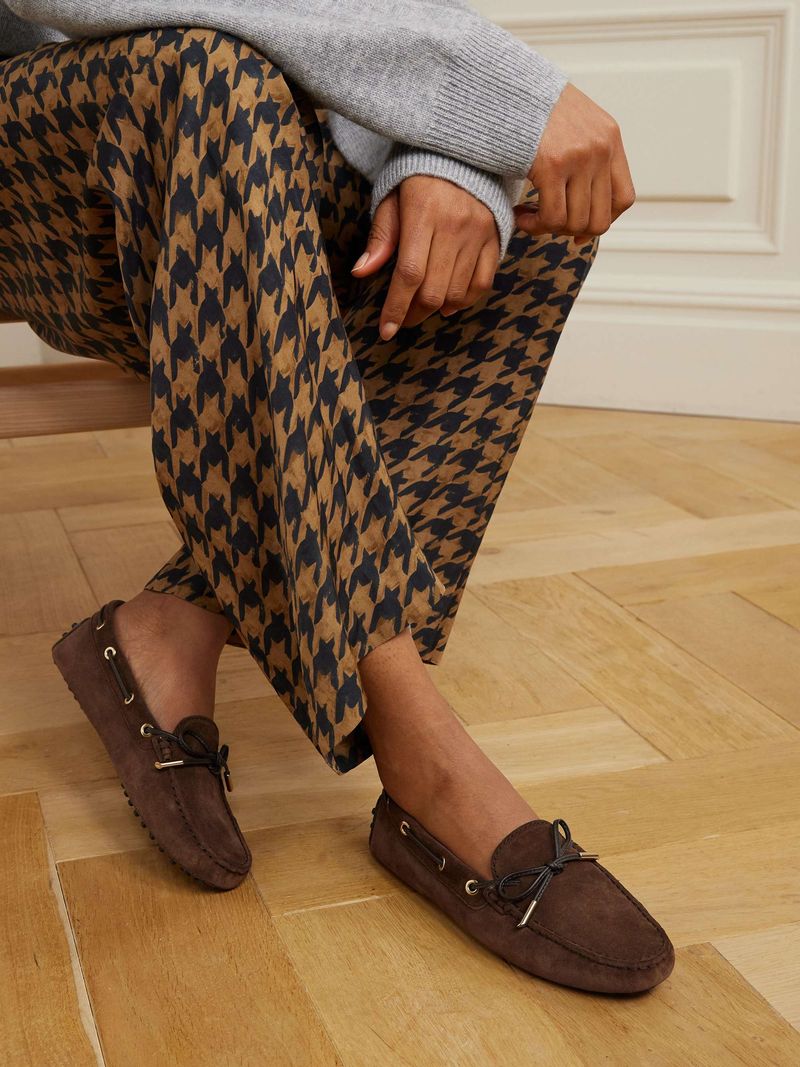
Footwear tells an honest story about comfort priorities versus style ambitions.
Orthopedic-looking shoes, worn-down heels, or outdated sneaker styles catch the eye quickly, signaling a shift toward practicality over fashion-forward thinking.
While comfort absolutely matters—especially for foot health—the visual impact of dated or poorly maintained shoes can undermine an otherwise polished outfit.
Younger women notice when shoes look tired, with scuffed leather or misshapen soles that haven’t been replaced in years.
Investing in quality footwear that balances support with contemporary design makes a tremendous difference.
Modern brands now offer stylish options with excellent arch support, proving you don’t have to sacrifice aesthetics for all-day wearability and foot wellness.
3. Fit of the Clothing
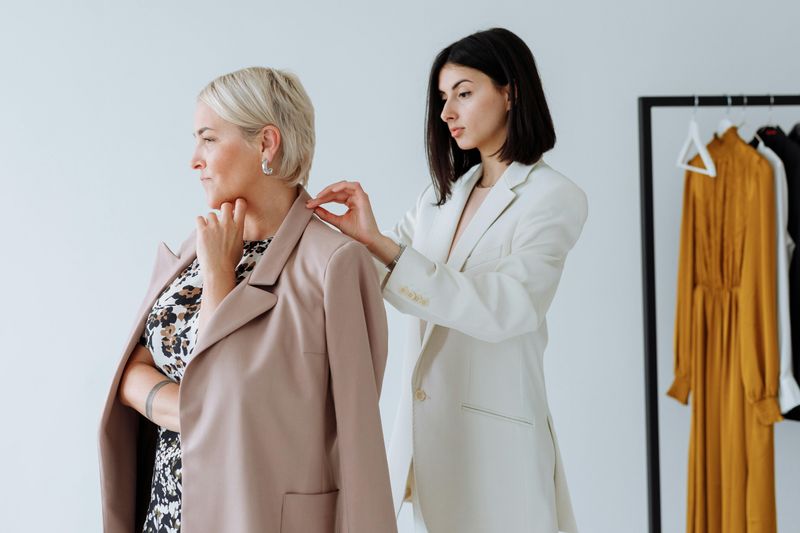
Baggy silhouettes and oversized garments often become default choices, perhaps from decades of prioritizing comfort or hiding perceived body insecurities.
Younger generations immediately notice when clothing swallows a figure rather than flattering it, creating a shapeless appearance that adds visual weight.
Ill-fitting pants that puddle at the ankles or tops that hang like tents signal a disconnect from current tailoring standards.
The solution isn’t embracing skin-tight styles but finding pieces that skim the body appropriately, highlighting your natural shape without constriction.
Tailoring makes affordable clothing look expensive and custom-made.
Even simple alterations—hemming pants, taking in a waist, or adjusting sleeve length—transform outfits from frumpy to sophisticated instantly.
4. Accessory Choices
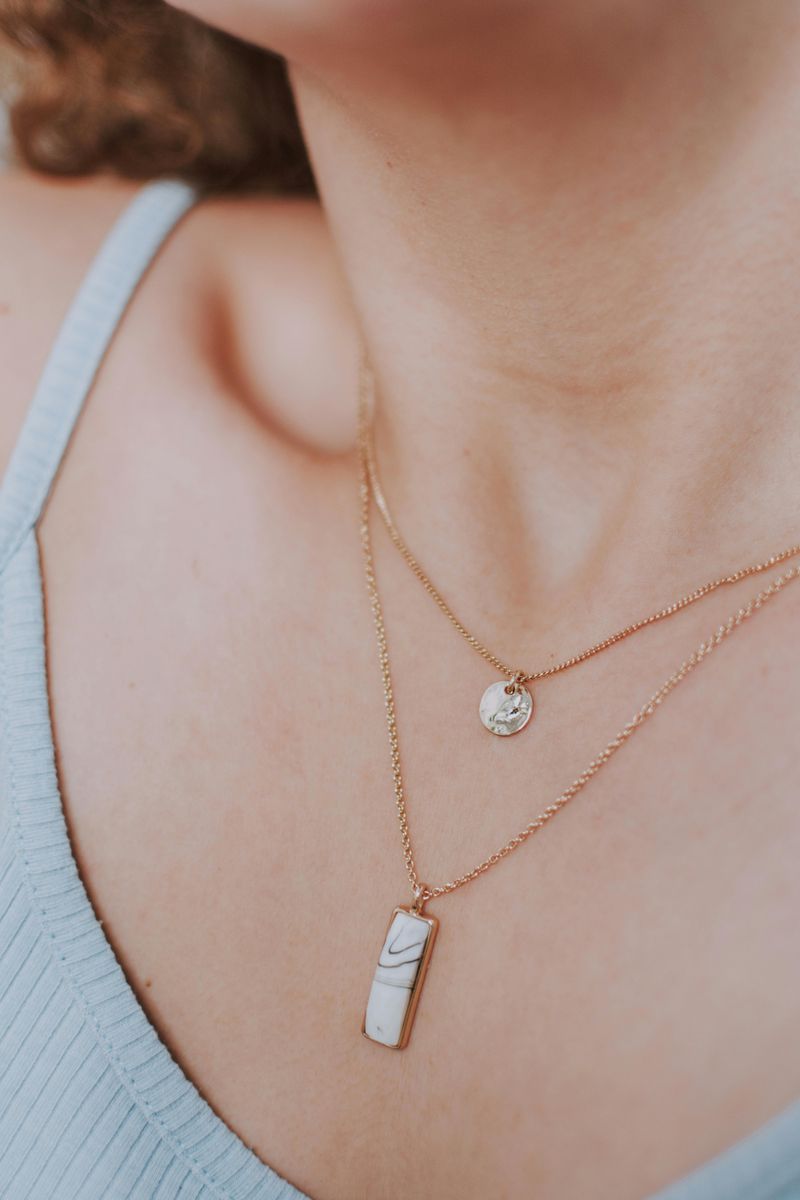
Did you know accessories can age an outfit faster than the clothing itself?
Chunky costume jewelry from decades past, oversized reading glasses on chains, or dated handbag styles immediately signal a disconnect from contemporary fashion.
Younger observers spot these relics quickly—not because they’re inherently wrong, but because they haven’t evolved with changing trends.
The charm bracelet loaded with trinkets or the brooch collection pinned to every lapel can feel stuck in time.
Updating accessories doesn’t mean abandoning sentimental pieces entirely; it means curating them thoughtfully.
Choose one statement piece per outfit rather than layering multiple competing elements.
Modern, minimalist accessories in quality materials refresh your entire wardrobe without requiring major purchases.
5. Silhouettes and Cuts
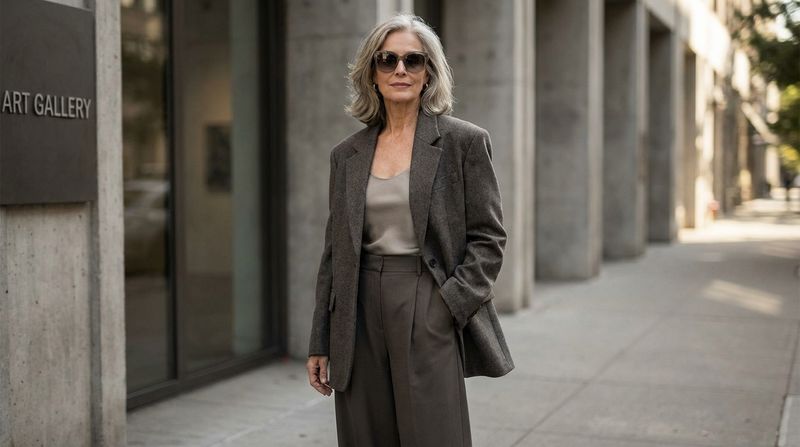
Fashion silhouettes evolve constantly, yet many wardrobes remain frozen in the era when their owners felt most confident.
Younger women immediately recognize outdated cuts—shoulder pads from the 80s, ultra-low-rise pants from the 2000s, or boxy jackets that haven’t been updated in twenty years.
These shapes create a time-capsule effect that distances the wearer from current style conversations.
The challenge lies in updating silhouettes without chasing every fleeting trend or abandoning personal comfort zones.
Look for contemporary versions of classic shapes: streamlined blazers with softer shoulders, mid-rise pants with modern leg widths, or updated wrap styles that feel fresh.
Small adjustments in proportions keep you looking current without dramatic wardrobe overhauls.
6. Fabric Quality and Care

Pilling sweaters, faded colors, and wrinkled fabrics broadcast neglect even when the clothing items themselves are expensive.
Younger generations notice fabric condition instantly because it affects the overall impression of an outfit more than any single piece.
Synthetic materials that shine oddly under light, cotton that’s thinned from repeated washing, or wool that’s lost its texture all diminish your appearance.
Proper garment care extends clothing life dramatically and maintains a polished look.
Invest in a fabric shaver to remove pills, follow washing instructions carefully, and retire pieces that no longer look fresh.
Quality natural fibers age better than cheap synthetics, making them worth the initial investment for long-term wardrobe building and sustainability.
7. Overall Coordination
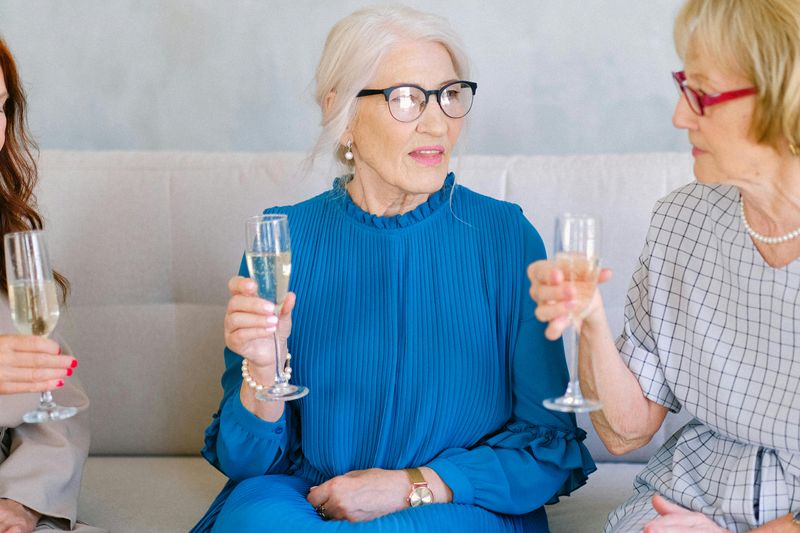
Matchy-matchy outfits—where shoes perfectly match the bag, which matches the belt, which matches the earrings—feel outdated to younger fashion observers.
This coordinated approach dominated previous decades but now reads as overly calculated rather than effortlessly stylish.
Modern styling embraces intentional mixing: complementary colors rather than exact matches, varied textures within similar tones, and unexpected combinations that feel personal.
Younger women notice when coordination becomes costume-like, with every element too perfectly aligned.
The alternative involves choosing a cohesive color story without demanding exact matches.
Pair navy with black, mix metallics freely, or combine patterns in the same color family.
This approach creates visual interest while maintaining sophistication through thoughtful editing.
8. Bag Style and Size
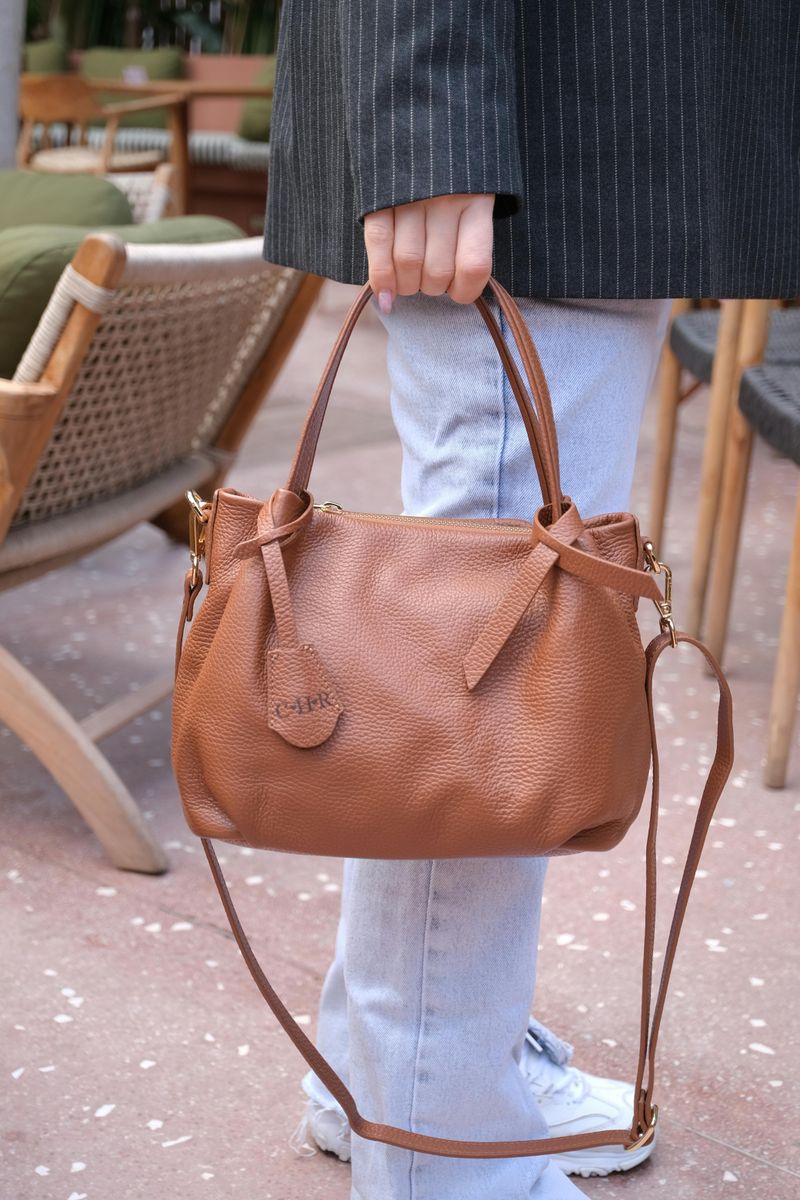
Oversized structured handbags from decades past immediately date an outfit, especially when paired with more contemporary clothing.
Younger observers spot these relics quickly—the stiff leather totes, ornate hardware, or logo-heavy designs that dominated different fashion eras.
While practical storage matters, enormous bags can overwhelm petite frames and drag down sleeker outfits visually.
The solution involves finding appropriately sized bags with cleaner lines and minimal branding.
Consider your actual daily needs rather than carrying capacity for every possible scenario.
Crossbody bags offer hands-free convenience with modern styling, while streamlined totes provide professionalism without bulk.
Quality leather in neutral tones remains timeless, but updated shapes keep the look current and fresh.
9. Layering Techniques
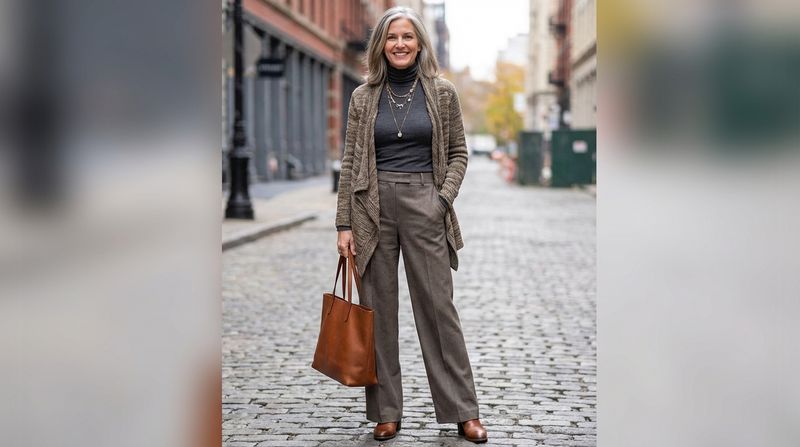
With a heart for comfort, many older women layer excessively, creating bulk that obscures their figure and feels visually heavy.
Younger generations notice when layering becomes excessive—turtlenecks under crew necks under cardigans under jackets—adding unnecessary volume that shortens and widens the silhouette.
While layering offers temperature flexibility and styling versatility, strategic choices make the difference between frumpy and fashionable.
Focus on thin, quality base layers topped with one substantial piece rather than multiple bulky items.
Ensure layers have varied lengths to create visual interest without adding width.
Open cardigans elongate more than buttoned ones.
Thoughtful layering adds dimension and sophistication without overwhelming your frame or hiding your natural shape completely.
10. Personal Confidence
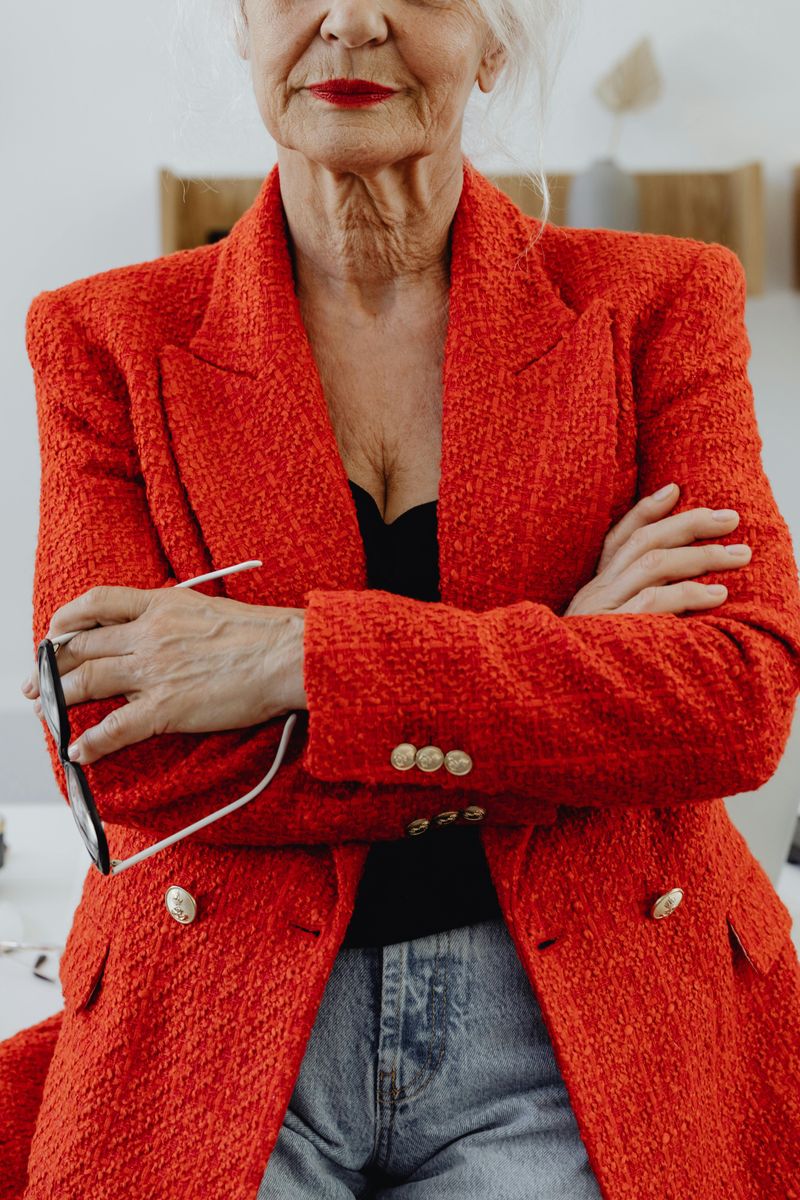
Fashion confidence radiates differently than clothing choices themselves, yet younger women absolutely notice this intangible quality.
When someone constantly adjusts their outfit, tugs at hemlines, or appears uncomfortable in their clothing, it shows regardless of how expensive or trendy the pieces are.
Conversely, wearing even simple outfits with genuine confidence transforms the entire presentation.
This assurance comes from choosing clothes that fit your lifestyle, body, and personal style rather than following rules or trends blindly.
Younger observers respond positively to authentic self-expression over trying too hard.
The most stylish women at any age wear what makes them feel powerful and comfortable, projecting ease rather than anxiety about their appearance or seeking constant validation.